
Sajdah al-Tilawah, or the prostration of recitation, is one of the established practices reported from the Prophet Muhammad, peace and blessings be upon him. Many Muslims seek to know where the prostration verses are found in the Quran and what should be said when performing this prostration.
The Egyptian Dar al-Ifta explains that the locations of the prostration verses in the Quran are established through the religious tradition. Their locations were known either through statements of the Prophet, peace and blessings be upon him, or through his practice of prostrating when reciting them.
How Can You Recognize the Places of Sajdah al-Tilawah?
The Quran contains specific verses of prostration, and printed copies of the Quran generally identify these locations with a distinctive symbol or marking.
This makes it easier for readers to recognize the verses where Sajdah al-Tilawah is prescribed or recommended.
It was narrated from Amr ibn al-As that the Messenger of Allah, peace and blessings be upon him, taught him fifteen places of prostration in the Quran. The narration was reported by Abu Dawud.
It was also narrated from Abdullah ibn Umar that the Prophet, peace and blessings be upon him, would recite a surah containing a prostration verse, then prostrate, and those accompanying him would also prostrate.
Is Sajdah al-Tilawah a Sunnah?
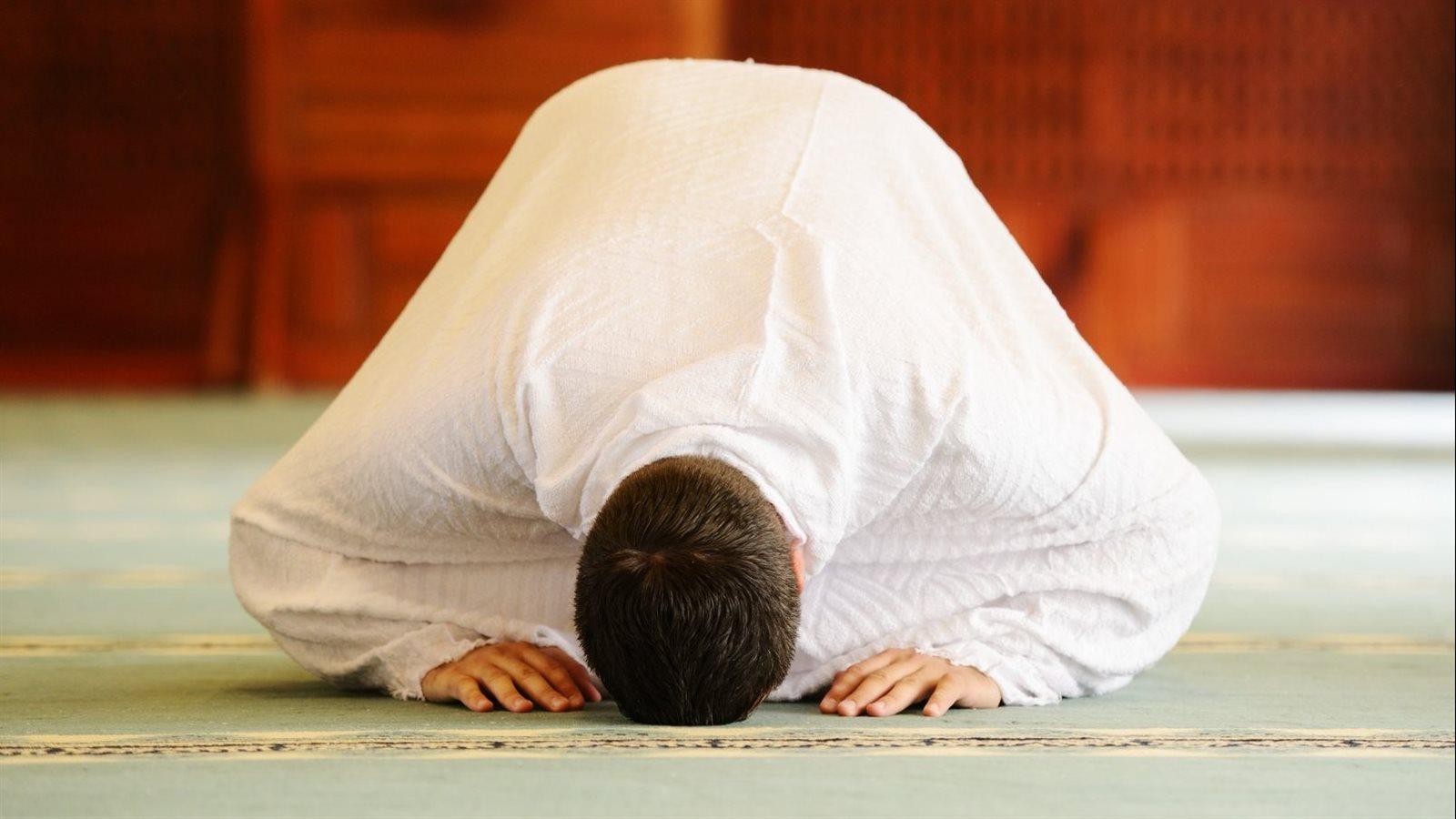
Yes. Sajdah al-Tilawah is an established Sunnah of the Prophet, peace and blessings be upon him.
It represents humility and submission before Allah when the believer encounters a verse of prostration during Quranic recitation.
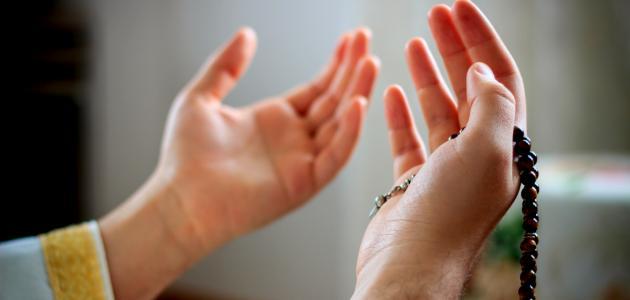
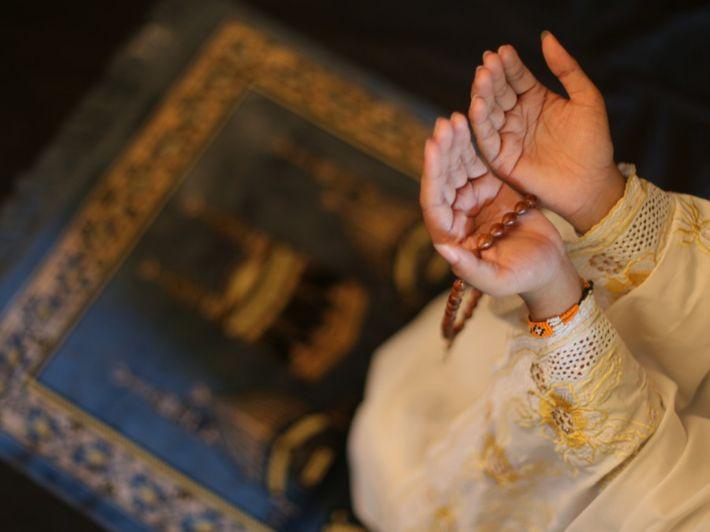
The Muslim may also supplicate to Allah during the prostration and ask Him for whatever is good in this life and the Hereafter.
What Should Be Said During Sajdah al-Tilawah?
Among the supplications reported for prostration is:
“My face has prostrated to the One who created it, formed its hearing and sight by His power and might. Blessed is Allah, the best of creators.”
Another supplication that may be said is:
“O Allah, record for me a reward for it with You, remove a sin from me because of it, make it a treasure for me with You, and accept it from me as You accepted it from Your servant David.”
Sajdah al-Tilawah is also an opportunity for humility and supplication. A Muslim may ask Allah for whatever is good and seek His protection from harm.
The Importance of Sajdah al-Tilawah
Sajdah al-Tilawah gives the believer an opportunity to combine Quranic recitation with humility and submission to Allah.
Knowing the locations of the prostration verses helps Muslims perform this Sunnah when encountering them while reading or listening to the Quran.
What is Sajdah al-Tilawah?
It is a prostration performed when reciting or hearing one of the Quranic verses of prostration.
What should I say during Sajdah al-Tilawah?
Among the reported supplications is: “My face has prostrated to the One who created it...”
How many Sajdah verses are there in the Quran?
A narration from Amr ibn al-As mentions fifteen places of prostration taught by the Prophet, peace and blessings be upon him.
Can I make Dua during Sajdah al-Tilawah?
Yes. The prostration is an appropriate moment for supplication, and a Muslim may ask Allah for good in this life and the Hereafter.