
A hadith attributed to the Prophet Muhammad, peace and blessings be upon him, was narrated from Abdullah ibn Abi Awfa regarding a prayer for someone who has a need.
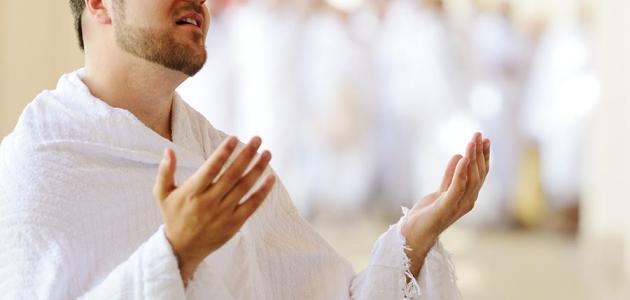
The report instructs the person to perform ablution properly, pray two voluntary rak'ahs, praise Allah, send blessings upon the Prophet ﷺ, and then make a specific supplication.
However, scholars have differed over the authenticity of this hadith. Some scholars considered its chain weak because of a narrator whose reliability was questioned, while others considered the various routes and supporting reports sufficient to strengthen it and allowed acting upon it in matters of virtuous deeds.
Therefore, Salat al-Hajah should not be presented as an unanimously established Sunnah.
How Is Salat al-Hajah Performed?
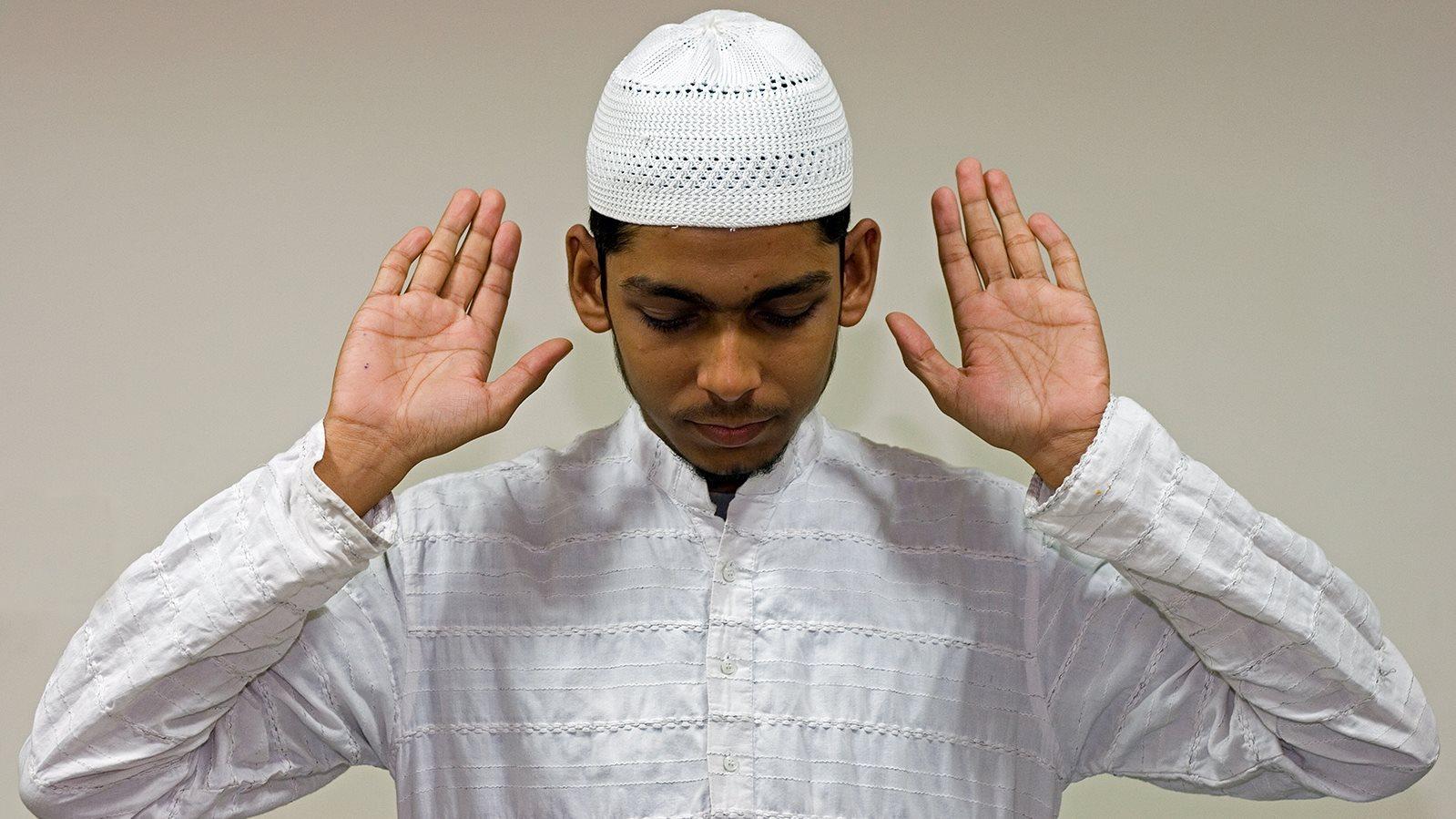
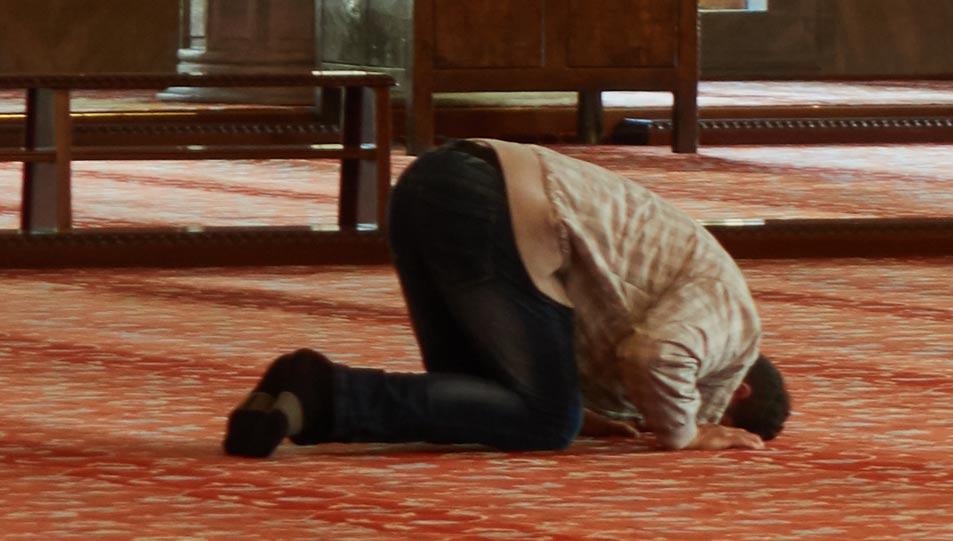
According to the form described in the reported hadith, it is performed as follows:
- Perform ablution properly.
- Pray two voluntary rak'ahs, separate from the obligatory prayers.
- Praise and glorify Allah after completing the prayer.
- Send blessings upon the Prophet Muhammad ﷺ.
- Recite the reported supplication and ask Allah for whatever good is desired in this world and the Hereafter.
This is the procedure described in the hadith used by scholars who accept the practice.
The Supplication of Salat al-Hajah
The reported supplication includes:
“There is no deity except Allah, the Forbearing and Generous. Glory be to Allah, Lord of the Mighty Throne. Praise be to Allah, Lord of the worlds. I ask You for the means of Your mercy, the causes of Your forgiveness, a share of every good deed, and protection from every sin. Do not leave for me any sin without forgiving it, any worry without relieving it, or any need that pleases You without fulfilling it, O Most Merciful of those who show mercy.”
Another narration includes an additional instruction to ask Allah for whatever one wishes of the matters of this world and the Hereafter, because Allah has power over all things.
The supplication asks Allah for forgiveness, relief from distress, and the fulfillment of needs that are pleasing to Him.
Is Salat al-Hajah an Established Sunnah?
It cannot be described as an unanimously established Sunnah because the hadith concerning it is a matter of scholarly disagreement regarding authenticity.
Some scholars rejected the hadith as too weak to establish a specific prayer, while others permitted acting upon it in matters of virtuous deeds under certain conditions.
For this reason, it is important to distinguish between the general legitimacy of praying and supplicating to Allah and the claim that a specific prayer called Salat al-Hajah has been established through an unquestionably authentic hadith.
What Can a Muslim Do When He Has a Need?
A Muslim may ask Allah for his needs at any time and seek whatever is good in this world and the Hereafter.
Prayer and supplication are among the greatest forms of worship. A person may also perform voluntary prayers and then ask Allah for what he needs without necessarily believing that a particular formula or prayer is obligatory or unanimously established as Salat al-Hajah.
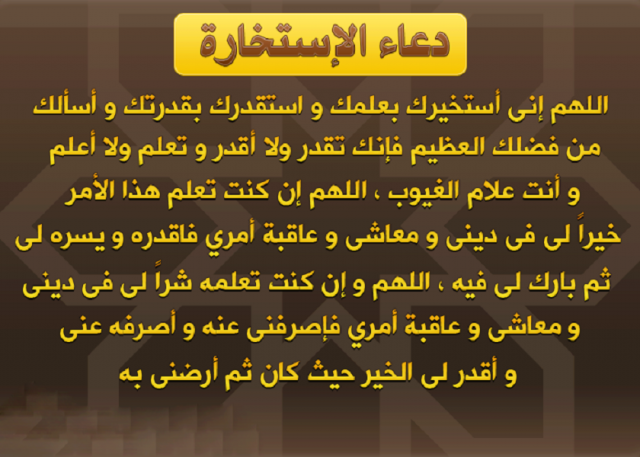
Salat al-Hajah vs. Salat al-Istikhara
Salat al-Hajah is associated with asking Allah to fulfill a particular need, based on the hadith discussed above, whose authenticity is disputed among scholars.
Salat al-Istikhara, by contrast, is performed when a person is seeking Allah's choice and guidance regarding a matter in which he is uncertain. Its basis is established in an authentic hadith narrated from Jabir ibn Abdullah.
Both involve turning to Allah through prayer and supplication, but their purposes are different.
Conclusion
A hadith concerning Salat al-Hajah has been narrated from the Prophet Muhammad ﷺ, but scholars have differed regarding its authenticity.
Those who permit acting upon it in matters of virtuous deeds may perform two rak'ahs and recite the reported supplication, while recognizing that its specific establishment is not a matter of unanimous agreement.
In all cases, supplication itself is unquestionably permitted, and Muslims may ask Allah for their needs and for all forms of good in this world and the Hereafter.
Is Salat al-Hajah authentically established?
A hadith concerning it has been reported, but scholars have differed over its authenticity.
How many rak'ahs are prayed for Salat al-Hajah?
The reported hadith describes two voluntary rak'ahs.
What is the supplication of Salat al-Hajah?
The reported supplication begins: “There is no deity except Allah, the Forbearing and Generous. Glory be to Allah, Lord of the Mighty Throne.”
Is Salat al-Hajah obligatory?
No. It is not obligatory, and the specific practice is subject to scholarly disagreement.
Can I ask Allah for my needs without praying Salat al-Hajah?
Yes. A Muslim may supplicate to Allah at any time and ask Him for whatever is good in this world and the Hereafter.