
Istikhara means asking Allah to choose what is best for a person when they are uncertain about a lawful matter and do not know its outcome.
It is a prescribed act of worship in which the Muslim turns to Allah, acknowledging that Allah has complete knowledge while human knowledge is limited.
The Prophet Muhammad, peace and blessings be upon him, taught his Companions the supplication of Istikhara and instructed a person who was considering a matter to pray two voluntary rak'ahs and then make the supplication.
How Do You Pray Salat al-Istikhara?
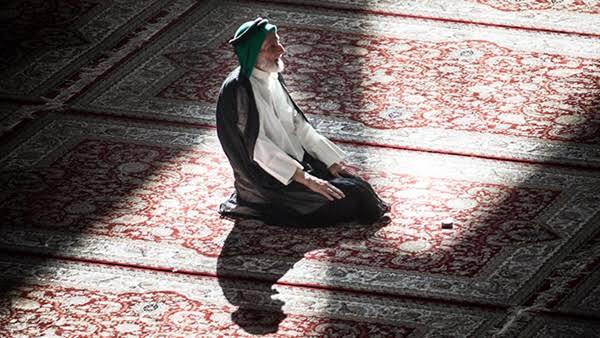
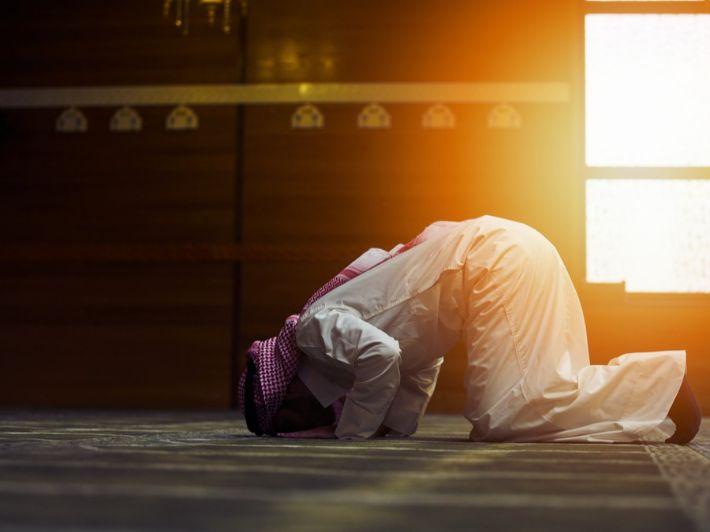
Salat al-Istikhara consists of two voluntary rak'ahs. The Muslim may perform them specifically for Istikhara, or according to some juristic views, the Istikhara intention may accompany certain voluntary prayers.
The worshipper recites Al-Fatihah and whatever portion of the Quran is easy to recite in each rak'ah, then completes the prayer in the normal manner.
After finishing the two rak'ahs and saying taslim, the Muslim makes the Istikhara supplication and mentions the matter for which guidance is being sought at the appropriate point in the supplication.
What Should Be Recited During Istikhara?
Some books of Islamic jurisprudence recommend particular Quranic verses during the two rak'ahs, including:
“And your Lord creates what He wills and chooses; they have no choice. Glory be to Allah, and exalted is He above what they associate with Him. And your Lord knows what their hearts conceal and what they reveal.” [Quran 28:68–69]
For the second rak'ah, some scholars recommend:
“It is not for a believing man or woman, when Allah and His Messenger have decided a matter, to have any choice in their affair.” [Quran 33:36]
However, reciting these particular verses is not a condition for the validity of Istikhara. The prayer may be performed by reciting Al-Fatihah and any other portion of the Quran.
What Is the Dua for Salat al-Istikhara?
The well-known Istikhara supplication taught by the Prophet Muhammad, peace and blessings be upon him, begins:
“O Allah, I seek the best choice from You by Your knowledge, and I seek ability from You by Your power, and I ask You from Your immense bounty. For You are able while I am not able, You know while I do not know, and You are the Knower of the unseen.”
It continues by asking Allah that if the matter is good for the person's religion, livelihood, and ultimate outcome, He should decree it, make it easy, and bless it. If it is harmful, the supplication asks Allah to turn it away from the person and turn the person away from it, and to decree whatever is good wherever it may be, then make the person content with it.
When the supplication reaches “this matter,” the worshipper identifies the matter for which they are seeking guidance.
When Should Salat al-Istikhara Be Performed?
Istikhara is appropriate when a Muslim is considering a lawful matter whose consequences are uncertain.
It is not performed to decide whether an obligatory act should be done, because obligatory acts are already required. Likewise, it is not used to determine whether prohibited or disliked acts should be done.
Istikhara is primarily associated with lawful choices and with deciding between permissible options or, in some cases, between different recommended matters.
Is Istikhara Only for Major Decisions?
Istikhara is generally associated with matters that are important enough to require reflection and a request for divine guidance.
Examples may include decisions involving marriage, employment, travel, business, or other permissible matters where a person does not know what the eventual outcome will be.
Do You Have to See a Dream After Istikhara?
No. Seeing a dream is not a requirement of Istikhara.
The purpose of Istikhara is to ask Allah to choose what is best, not to wait for a particular dream or supernatural sign. After making Istikhara, a person should consider the matter, seek appropriate advice, take reasonable steps, and accept what Allah ultimately facilitates or prevents.
Can You Repeat Salat al-Istikhara?
Yes. A person may repeat Istikhara if uncertainty remains.
Istikhara can be accompanied by consultation with knowledgeable and trustworthy people. The Muslim then takes the available means and remains content with what Allah decrees, even if the outcome differs from what they originally hoped for.
What Is the Difference Between Istikhara and Consultation?
Istikhara means asking Allah to guide the person toward what is best, while consultation means seeking advice from people with relevant knowledge and experience.
A Muslim can combine both practices by making Istikhara, consulting trustworthy people, considering the available information, and then proceeding with the matter that becomes appropriate and feasible.
Conclusion
Salat al-Istikhara is a prescribed form of worship through which a Muslim asks Allah for what is best when facing a lawful matter with an uncertain outcome.
It is performed as two voluntary rak'ahs followed by the Istikhara supplication. The Muslim asks Allah to facilitate the matter if it is good and turn it away if it is harmful.
A dream is not required after Istikhara, and the prayer may be repeated if uncertainty remains. The Muslim should also take reasonable means, seek appropriate advice, and accept what Allah ultimately decrees.
How many rak'ahs are in Salat al-Istikhara?
Salat al-Istikhara consists of two voluntary rak'ahs.
What should I recite during Istikhara?
Recite Al-Fatihah and whatever portion of the Quran is easy. Specific verses are recommended by some jurists but are not required for the prayer's validity.
When should the Istikhara Dua be said?
The supplication is commonly said after completing the two rak'ahs and performing taslim.
Do I need to see a dream after Istikhara?
No. A dream is not a condition or requirement of Istikhara.
Can I repeat Istikhara?
Yes. It may be repeated when uncertainty remains, alongside consultation and taking reasonable steps.