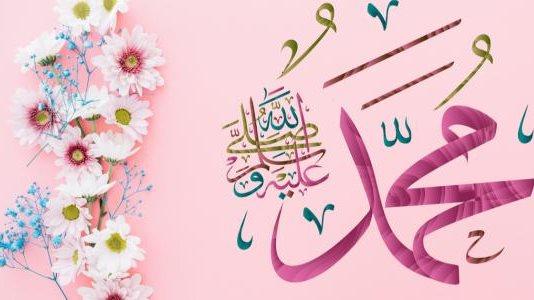

Sending blessings and peace upon Prophet Muhammad ﷺ is one of the highly recommended acts of worship in Islam, and numerous Islamic texts emphasize its virtue and importance.
Scholars differed over certain details concerning its legal ruling, particularly regarding when it is obligatory and how often. However, its legitimacy and virtue are widely recognized, and increasing one's salawat is encouraged in several circumstances.
What Is the Ruling on Sending Salawat?
A number of scholars held that sending blessings upon the Prophet ﷺ is obligatory at least once in a person's lifetime, while other scholars discussed an obligation whenever the Prophet ﷺ is mentioned. Other jurists regarded it as recommended when he is mentioned.
Regardless of this juristic difference, frequently sending blessings and peace upon the Prophet ﷺ is a virtuous act encouraged by Islamic teachings.
A Muslim may simply say: “O Allah, send blessings and peace upon our master Muhammad,” or use the established Salat Ibrahimiyyah.
Should Salawat Precede Supplication?
A Muslim may begin a supplication by praising Allah, sending blessings upon the Prophet ﷺ, and then asking Allah for whatever he needs.
Salawat is an independent act of worship and may accompany supplication, while the believer maintains that the fulfillment of needs and removal of hardship ultimately belong to Allah alone.
A Popular Salawat for Victory and Relief
Various formulas are circulated among Muslims for times of distress, sadness, hardship, or helplessness. One popular formula says:
“O Allah, send blessings, peace and blessings upon our master Muhammad, the prayer of a servant whose means have become limited and whose Prophet is his means, so he called upon his Lord: Indeed, I am overcome, so grant me victory.”
This should be treated as a circulated supplication rather than attributed to the Prophet ﷺ as an established hadith or Prophetic formula without evidence.
A Muslim may ask Allah for victory and relief through sound supplications while increasing his salawat upon the Prophet ﷺ.
A Popular Formula for Difficult Needs
Another well-known formula used by some Muslims when seeking relief and fulfillment of difficult needs is:
“O Allah, send a complete blessing and perfect peace upon a Prophet through whom knots are untied, hardships are relieved, needs are fulfilled, desires are attained, and good endings are granted...”
This formula is commonly known as the Nariya or Tafrijiyyah prayer.
It is important to clarify that this formula is not an established Prophetic hadith, and there is no authentic Prophetic text establishing a specific number of repetitions or guaranteeing the fulfillment of a particular request through it.
The Best Established Formula of Salawat
The Salat Ibrahimiyyah is among the most important established formulas in the Sunnah. It is recited during the tashahhud:
“O Allah, send blessings upon Muhammad and the family of Muhammad as You sent blessings upon Abraham and the family of Abraham. Indeed, You are Praiseworthy and Glorious. O Allah, bless Muhammad and the family of Muhammad as You blessed Abraham and the family of Abraham. Indeed, You are Praiseworthy and Glorious.”
This formula is established in the Sunnah and is therefore among the most important forms of salawat for Muslims to learn and recite.
The Virtue of Salawat on Friday
Friday is one of the most virtuous days of the week, and the Prophet ﷺ encouraged Muslims to increase their blessings upon him on that day.
The Prophet ﷺ said: “Indeed, among your best days is Friday, so send abundant blessings upon me on it, for your blessings are presented to me.”
For this reason, scholars recommended increasing salawat upon the Prophet ﷺ on Friday and its preceding night, alongside supplication, remembrance, Quran recitation, and other good deeds.
The virtue of salawat, however, is not limited to Friday. It remains a recommended act throughout the week.
Can Salawat Help Relieve Distress?
Sending blessings upon the Prophet ﷺ is a virtuous act of worship that a Muslim may increase during times of hardship and include in personal supplication.
However, it should not be claimed that a particular formula guarantees immediate acceptance or the fulfillment of a specific request. Allah alone removes hardship and fulfills needs, and supplication may be answered in the manner Allah knows to be best for His servant.
Does the Nariya Prayer Have a Fixed Number?
Some circulated sources mention specific numbers for repeating the Nariya prayer, including 4,444 repetitions.
This number should not be presented as an established Sunnah of the Prophet ﷺ, because the Nariya formula itself is not one of the established Prophetic formulas.
A Muslim who wishes to increase his salawat may do so using established formulas without believing that a particular number is a religious requirement or a guaranteed condition for an answered prayer.
Increasing Salawat Throughout the Day
A Muslim can make salawat part of a regular daily practice and increase it during free time, on Friday and its preceding night, and when making supplication.
One beneficial approach is to combine salawat with direct supplication to Allah, maintain good expectations of Allah, and take the appropriate lawful means when seeking a solution to a difficulty.
What is the ruling on sending blessings upon the Prophet?
Sending blessings upon Prophet Muhammad ﷺ is legislated and highly recommended. Scholars differed over certain details concerning its obligatory status, while recognizing its virtue and legitimacy.
What is the best formula of salawat?
The Salat Ibrahimiyyah is among the most firmly established formulas in the Sunnah and is recited during the tashahhud.
Is there a specific salawat for victory over enemies?
There is no established Prophetic formula that guarantees victory over enemies. A Muslim may ask Allah for victory and protection while increasing salawat upon the Prophet ﷺ.
Is the Nariya prayer a Prophetic hadith?
No. The commonly circulated Nariya or Tafrijiyyah formula is not an established Prophetic hadith. It is a later formula of salawat.
Must the Nariya prayer be repeated 4,444 times?
No Prophetic evidence establishes 4,444 repetitions for the Nariya prayer, so this number should not be treated as a Sunnah or religious requirement.