
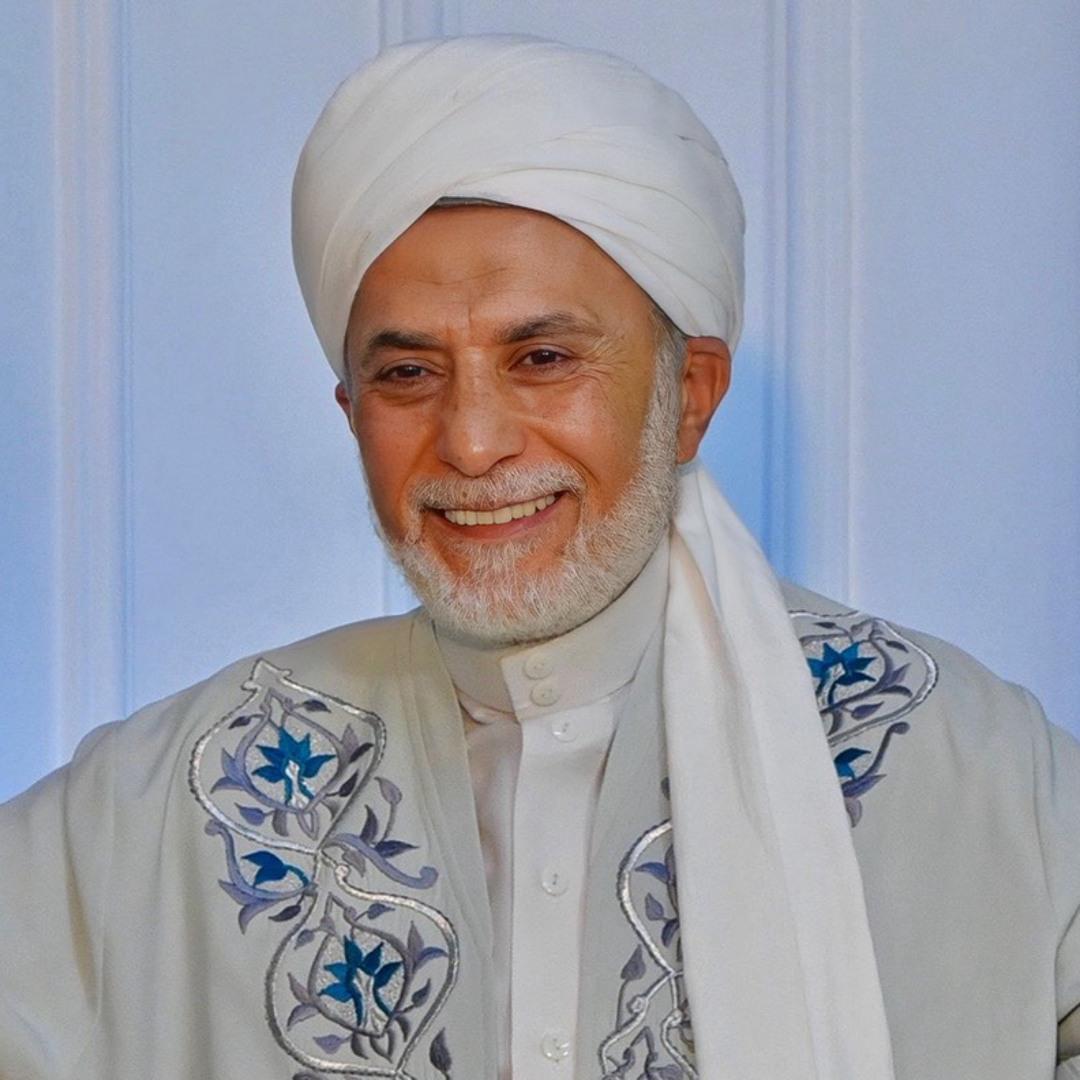

Dr. Yousri Gabr, a scholar from Al-Azhar, affirmed that using tried supplications attributed to righteous scholars is permissible as long as their wording and meaning are sound. Speaking in a television interview, he emphasized that the effectiveness of such practices varies between individuals, as their impact depends primarily on the heart’s sincerity and presence before God rather than the supplication itself.
He explained that a pure, humble heart benefits from any form of remembrance, while hearts burdened with envy or excessive attachment to worldly matters may fail to gain from even the most authentic supplications. He warned against promoting certain phrases as guaranteeing specific outcomes, as unmet expectations could lead to doubt or misunderstanding of religious teachings.
Dr. Gabr cited the well-known story of Abu al-Hasan al-Shadhili, who once asked his teacher Abd al-Salam Ibn Mashish about the Greatest Name of God, and was told: “You be the Greatest Name of God,” emphasizing that the spiritual state of the worshipper is more important than the formula.
He added that these tried supplications resemble medicine—they may help some while not benefiting others—stressing that final outcomes rest solely in God’s hands and that believers should rely on sincere intention and proper causes.
In a related statement, Egypt’s Dar al-Ifta listed four daily deeds that, when combined, make a person among the people of Paradise: fasting, following a funeral, giving charity, and visiting the sick. The institution referenced the prophetic narration in which Abu Bakr al-Siddiq performed all four acts in a single day, prompting the Prophet Muhammad (peace be upon him) to say that whoever unites them “shall enter Paradise.”




