Seeing Allah in This Life and the Hereafter: A Scholarly Perspective Explained

The question of seeing Allah is a profound theological issue in Islam. Scholars have discussed it extensively, with Sunni belief affirming its possibility in the Hereafter while denying its full realization in worldly life.

  Sat , April 11 2026 / 05:39 PM Updated At: 2026-04-11 17:39:48

رؤية الله تعالى في الدنيا والآخرة وبيان حكمها في الإسلام

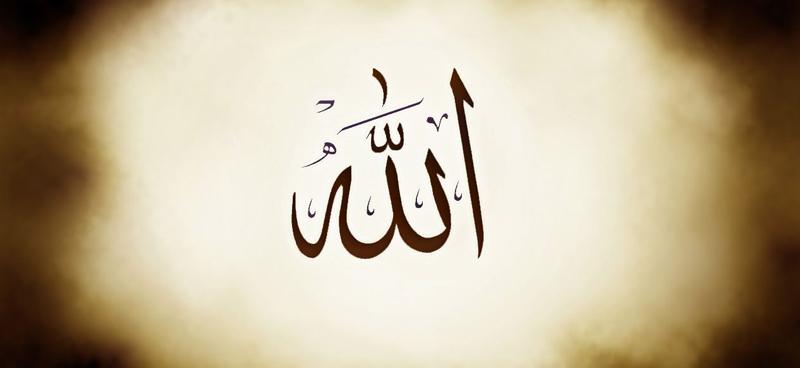
The question of whether Allah can be seen remains one of the most profound matters in Islamic theology, deeply connected to faith in the unseen and the greatness of the Creator. The Egyptian Dar al-Ifta has clarified that seeing Allah Almighty is rationally and religiously possible in the Hereafter, according to the majority of أهل السنة والجماعة.

In this worldly life, such a vision in a fully conscious state is not established for ordinary people, while scholars have differed regarding whether it occurred for the Prophet Muhammad ﷺ. However, all agree that seeing Allah in dreams is possible, whereas claiming it in waking life for others is not accepted in Islamic doctrine.

Scholars explain that “seeing” in relation to Allah is not comparable to physical sight in the created world. It is a form of perception created by Allah as He wills, without being bound by direction, form, or physical means, as He is entirely beyond resemblance to His creation.

As for the Hereafter, Sunni doctrine affirms that believers will see Allah in a manner befitting His majesty, without encompassing Him or perceiving Him in a physical sense. It is a divine honor and part of the eternal reward promised to the faithful.

This issue remains among the subtle matters of creed, to be accepted as revealed without delving into “how,” while affirming that what awaits believers with Allah is beyond imagination and human limitation.

For more details and latest updates, follow Egypt Connect website

Apr 16
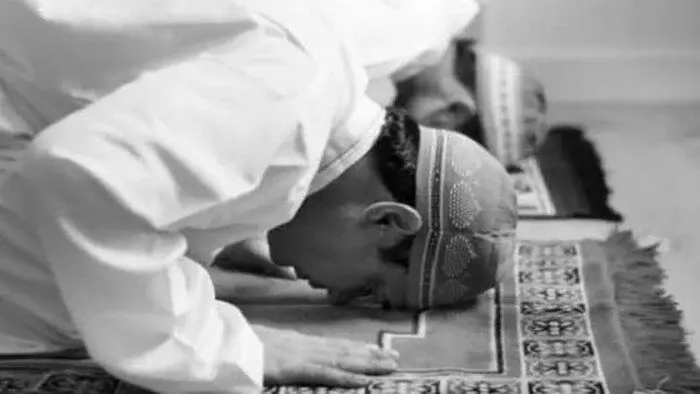
حكم صلاة المريض غير المتحكم في البول وفتوى دار الإفتاء المصرية

Dar Al-Ifta clarified the Islamic ruling on how patients suffering from involuntary urine leakage can properly perform الصلاة, emphasizing ease and removal of hardship in Islamic law.
Apr 16
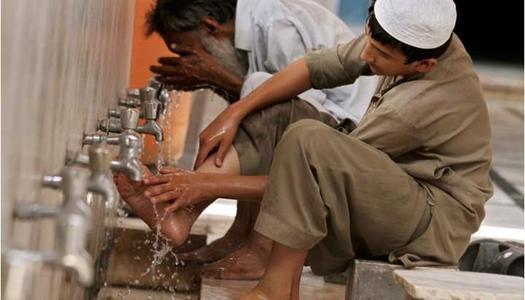
تحذير من التشويش على المصلي وحرمة إفساد خشوع الصلاة

Islamic authorities warn against any behavior that distracts or disturbs a person during prayer, emphasizing the sacredness of salah and the severe sin of disrupting its spiritual focus.
Apr 16
حكم أداء الصلوات الخمس بوضوء واحد وفضل تجديد الوضوء

Many wonder whether one ablution is sufficient for all five daily prayers. Islamic scholars clarify the ruling, highlighting both permissibility and the prophetic preference for renewing wudu.
Apr 16
أذكار الصباح والمساء وحكم الخشوع والتدبر أثناء الذكر

Many people wonder whether mindfulness and deep reflection are required when reciting morning and evening adhkar, or if verbal repetition alone is sufficient. Islamic rulings clarify the balance between heart and tongue.
