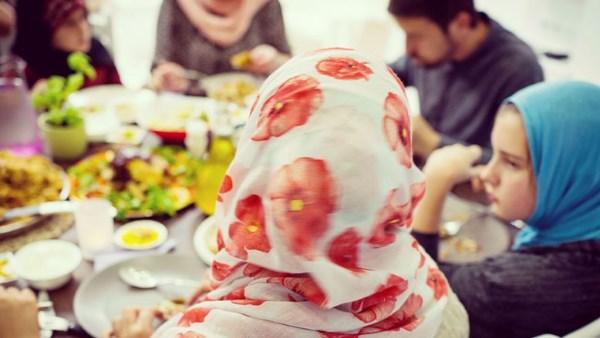

Dar Al-Ifta explained that one of the important manners of visiting others in Islam is to respect the circumstances of the household and avoid staying for so long that the hosts feel uncomfortable or inconvenienced.
A visitor should be considerate of the family’s time and responsibilities. Knowing when to leave helps preserve affection and ensures that a friendly visit does not become a burden.
Visiting Etiquette in the Quran
Dar Al-Ifta cited the Quranic verse:
﴿يَا أَيُّهَا الَّذِينَ آمَنُوا لَا تَدْخُلُوا بُيُوتَ النَّبِيِّ إِلَّا أَنْ يُؤْذَنَ لَكُمْ إِلَى طَعَامٍ غَيْرَ نَاظِرِينَ إِنَاهُ وَلَكِنْ إِذَا دُعِيتُمْ فَادْخُلُوا فَإِذَا طَعِمْتُمْ فَانْتَشِرُوا وَلَا مُسْتَأْنِسِينَ لِحَدِيثٍ إِنَّ ذَلِكُمْ كَانَ يُؤْذِي النَّبِيَّ فَيَسْتَحْيِي مِنْكُمْ وَاللهُ لَا يَسْتَحْيِي مِنَ الْحَقِّ﴾ [Al-Ahzab: 53].
The verse highlights an important principle of visiting homes: guests should not remain after the purpose of the visit has ended in a way that inconveniences or disturbs the household.
Why Should Guests Avoid Staying Too Long?
Dar Al-Ifta explained that the verse was revealed in connection with an occasion when guests attended a meal at the home of the Prophet Muhammad ﷺ during the wedding of Lady Zaynab bint Jahsh, may Allah be pleased with her.
After eating, some guests remained in the Prophet’s home talking while he was occupied with matters concerning his family. However, his modesty and shyness prevented him from directly asking them to leave.
The Quranic guidance established an important principle of social conduct: once the meal or purpose of the visit is finished, guests should leave rather than remain in prolonged conversation that may cause discomfort to the hosts.
Can Frequent Visits Become a Source of Discomfort?
Visiting relatives and friends is an important form of maintaining relationships, but it should be balanced with consideration for the household’s circumstances.
Dar Al-Ifta emphasized that a visitor should avoid excessively prolonging a visit and should not repeat visits in a way that causes the household to become tired or uncomfortable.
A good visit strengthens affection and communication. Respecting the other person’s schedule, choosing an appropriate time, and leaving at a suitable moment are therefore important aspects of good manners.
When Should a Guest Leave?
Islam does not establish one fixed duration for every type of visit. The appropriate length depends on the purpose of the visit, the relationship between the people involved, and the circumstances of the household.
A guest should pay attention to whether the hosts are occupied or have other responsibilities. When it becomes clear that the family needs to return to its activities, leaving without waiting for a direct request is part of considerate behavior.
It is also preferable to choose an appropriate time for visits and, when necessary, ask before arriving.
Key Islamic Manners of Visiting Others
Good visiting etiquette includes seeking permission, choosing an appropriate time, avoiding excessively long stays, respecting the household’s circumstances, and leaving without placing the hosts in an uncomfortable position.
A visit that respects the privacy and schedule of the household is more likely to achieve its purpose of strengthening family ties, friendship, and mutual affection.
Is staying too long during a visit considered good Islamic etiquette?
A visitor should avoid staying so long that the household experiences discomfort or inconvenience and should respect the hosts’ circumstances.
What does the Quran say about staying after a meal?
The Quran states: ﴿فَإِذَا طَعِمْتُمْ فَانْتَشِرُوا وَلَا مُسْتَأْنِسِينَ لِحَدِيثٍ﴾, providing guidance against remaining in a way that causes inconvenience to the hosts.
Is it permissible to visit someone repeatedly?
Yes. Visiting relatives and maintaining relationships are encouraged, but visits should take the household’s circumstances into account and should not become excessive.
When should a guest leave?
A guest should generally leave once the purpose of the visit has been fulfilled, especially when the hosts appear occupied or need to attend to other responsibilities.
What are the main Islamic manners of visiting others?
They include seeking permission, choosing an appropriate time, avoiding prolonged stays, respecting privacy, and considering the circumstances of the household.