
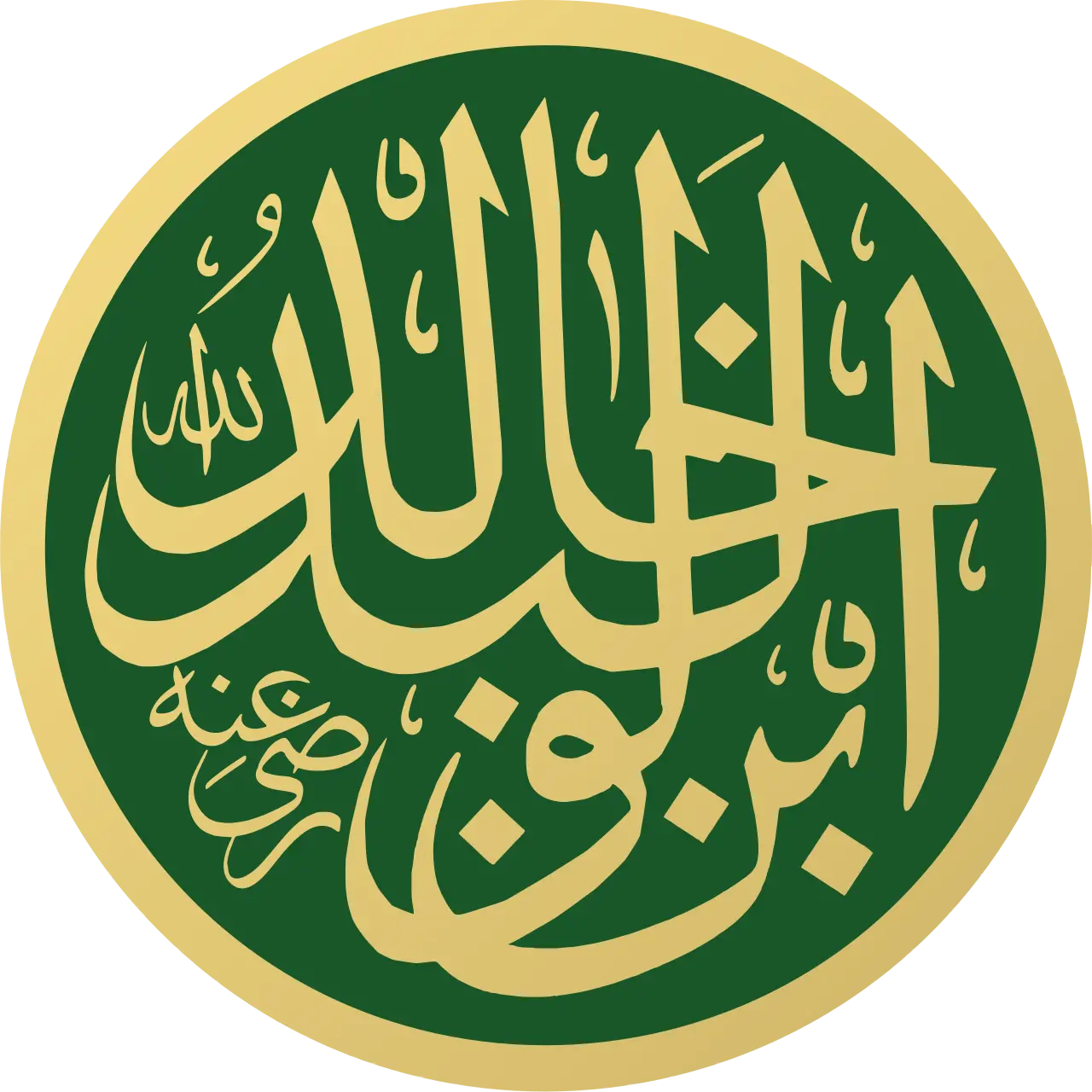

Khalid ibn Al-Walid (may Allah be pleased with him) is regarded as one of the greatest military commanders in Islamic history. The Prophet Muhammad (peace and blessings be upon him) honored him with the title "The Sword of Allah" after his remarkable leadership in the Battle of Mu'tah. Renowned for his strategic brilliance, courage, and leadership, Khalid led Muslim armies to numerous victories against the Byzantine and Persian Empires without suffering defeat in battle.
Who Was Khalid ibn Al-Walid?
Khalid ibn Al-Walid was born around 30 years before the beginning of Prophet Muhammad’s mission into the noble Banu Makhzum clan of Quraysh, a tribe famous for its warriors and military leadership.
As was customary among Arabs, he spent his early childhood in the desert, where he developed physical strength and endurance. Upon returning to Makkah, he mastered horse riding, swordsmanship, and military tactics, quickly becoming one of Quraysh's finest warriors.
His full name was Khalid ibn Al-Walid ibn Al-Mughirah Al-Makhzumi Al-Qurashi, his kunyah was Abu Sulayman, and he became universally known as The Sword of Allah (Saif Allah Al-Maslul).
Khalid ibn Al-Walid Before Islam
Before embracing Islam, Khalid fought on the side of Quraysh against the Muslims. His most notable role came during the Battle of Uhud, where his tactical maneuver around the Muslim army changed the course of the battle after the archers left their assigned positions.
He also participated in several major events before eventually accepting Islam.
The Conversion of Khalid ibn Al-Walid
Khalid embraced Islam in 8 AH after hearing that the Prophet Muhammad (peace be upon him) had spoken highly of him, saying:
"A man like Khalid should not remain ignorant of Islam."
Khalid traveled to Madinah alongside Amr ibn Al-As and Uthman ibn Talhah, where they accepted Islam before the Prophet.
Upon seeing them, the Prophet said:
"Makkah has sent us the best of its people."
From that moment, Khalid became one of Islam's greatest military leaders.
Khalid ibn Al-Walid's Greatest Battles During the Prophet's Lifetime
The Battle of Mu'tah
The Battle of Mu'tah marked the defining moment of Khalid's military career.
After the martyrdom of the three appointed commanders—Zayd ibn Harithah, Ja'far ibn Abi Talib, and Abdullah ibn Rawahah—Khalid assumed command of the Muslim army.
Using brilliant battlefield tactics, he successfully prevented the destruction of the Muslim forces and safely withdrew them from overwhelming enemy numbers.
Following this achievement, the Prophet Muhammad (peace be upon him) bestowed upon him the title "The Sword of Allah."
The Conquest of Makkah
Khalid commanded one of the divisions of the Muslim army during the Conquest of Makkah. He defeated the forces that attempted to resist the Muslim advance and was later assigned by the Prophet to destroy the idol Al-Uzza.
Military Campaigns Under Caliph Abu Bakr
After the Prophet's death, Khalid became the leading commander in the Ridda (Apostasy) Wars, defeating several rebellious tribes and playing a decisive role in the Battle of Yamama, where Musaylimah the Liar was ultimately killed.
He later led Muslim armies in Iraq against the Persian Empire before moving to Syria to confront the Byzantine Empire.
The Battle of Yarmouk
The Battle of Yarmouk remains one of the greatest victories in Islamic history.
Through exceptional planning and leadership, Khalid ibn Al-Walid led the Muslim army to a decisive victory over the Byzantine Empire, paving the way for the Muslim conquest of Syria.
Most Famous Battles of Khalid ibn Al-Walid
Among his most notable military campaigns were:
- Battle of Mu'tah
- Conquest of Makkah
- Ridda Wars
- Battle of Yamama
- Battle of Dhat Al-Salasil
- Battle of Walaja
- Battle of Ullais
- Battle of Al-Anbar
- Battle of Ayn Al-Tamr
- Battle of Dumat Al-Jandal
- Battle of Yarmouk
- Conquest of Iraq
- Conquest of Syria
Why Was Khalid ibn Al-Walid Removed from Command?
Despite his extraordinary military success, Caliph Umar ibn Al-Khattab relieved Khalid of command.
Umar explained that the decision was not due to dissatisfaction or mistrust, but to ensure that Muslims understood that victory comes from Allah alone and not from any individual commander.
He famously said:
"I did not remove Khalid because of anger or betrayal, but because people had become overly attached to him, and I wanted them to know that victory comes from Allah."
The Death of Khalid ibn Al-Walid
Khalid ibn Al-Walid passed away in 21 AH in Homs (Syria) after a lifetime spent on battlefields.
Before his death, he is reported to have said:
"I have participated in one hundred battles. There is not a handspan on my body except that it bears the mark of a sword, spear, or arrow. Yet here I am, dying peacefully in my bed."
His death marked the end of the life of one of Islam's greatest military commanders, whose legacy continues to inspire generations.
Who was Khalid ibn Al-Walid?
He was one of the Prophet Muhammad's companions and one of the greatest military commanders in Islamic history.
Why was Khalid ibn Al-Walid called the Sword of Allah?
The Prophet Muhammad (peace be upon him) gave him this title after his leadership during the Battle of Mu'tah.
Did Khalid ibn Al-Walid ever lose a battle?
He is widely known for never being defeated in any battle he commanded.
Why did Umar remove Khalid from military command?
To remind Muslims that victory comes from Allah, not from any individual commander.
Where did Khalid ibn Al-Walid die?
He died in Homs, Syria, in 21 AH after a remarkable military career.




