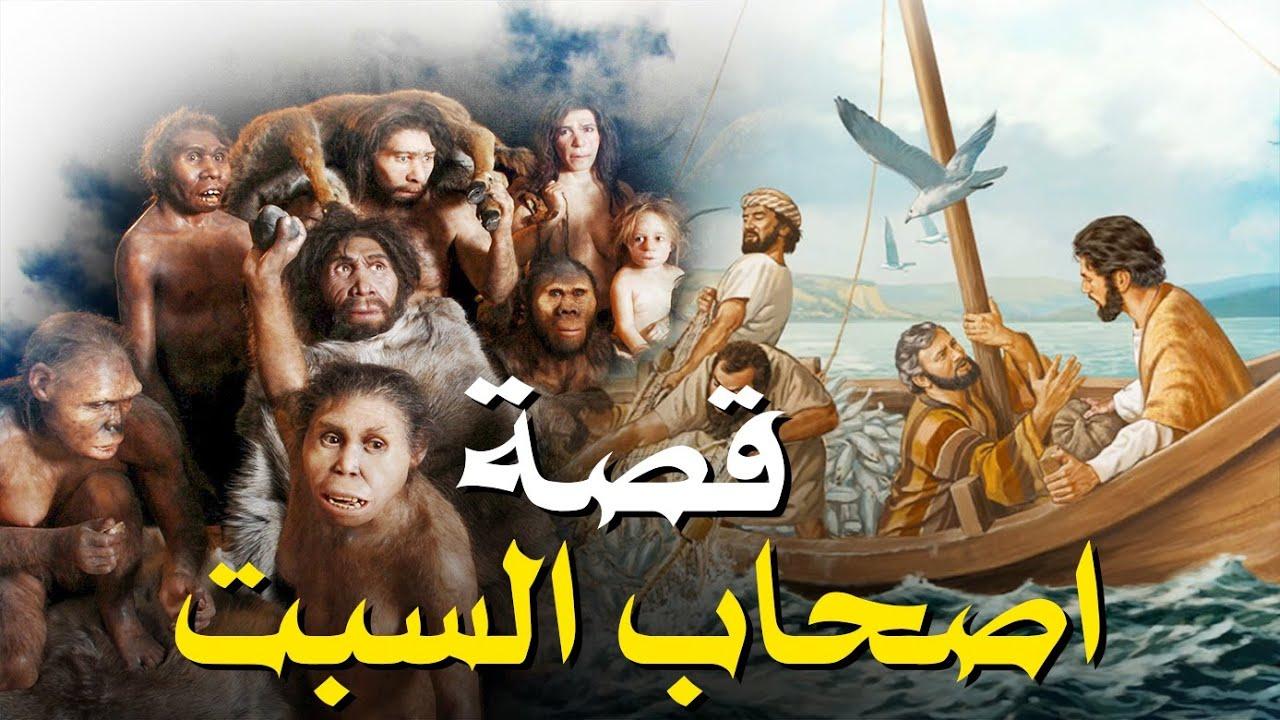

The People of the Sabbath were a community from the Children of Israel whose story is mentioned in the Quran as a warning against disobedience and attempts to evade Allah’s commands through deceptive means.
They lived in a coastal settlement where they were tested in an extraordinary way. Fish appeared in abundance on the Sabbath, the very day on which fishing had been prohibited for them.
Instead of patiently obeying Allah’s command, some of them attempted to find ways around the prohibition.
Why Was the Sabbath Significant?
The Prophet Muhammad, peace and blessings be upon him, explained that the People of the Book had differed concerning the day they were commanded to observe.
Abu Hurairah, may Allah be pleased with him, narrated that the Prophet said:
“We are the last, but we will be the foremost on the Day of Resurrection... They were given the Book before us, and this was their day which Allah had prescribed for them, but they differed concerning it, so Allah guided us.”
The Sabbath therefore became a specific day of observance for the Jews, accompanied by particular restrictions.
The Test of the Fish
The people of the coastal village were tested by an unusual phenomenon.
On the Sabbath, fish appeared openly and abundantly near them, while on other days they did not appear in the same way.
Allah says:
“And ask them about the town that was by the sea, when they transgressed concerning the Sabbath. Their fish came to them openly on their Sabbath, but on the days they did not observe the Sabbath, they did not come to them. Thus We tested them because of their disobedience.” [Quran 7:163]
The test was clear: the fish were abundant precisely when the people were forbidden from catching them.
How Did They Try to Evade Allah's Command?
Some members of the community refused to accept the prohibition and began devising ways to catch fish while claiming that they had not technically fished on the Sabbath.
Some reports mentioned that they prepared pools and channels near the sea. When fish entered them on the Sabbath, they prevented the fish from returning to the sea and then took them after the Sabbath had ended.
Other reports described the use of nets and traps placed on the Sabbath and removed on the following day.
These methods were attempts to bypass the command rather than genuinely obey it.
The Danger of Using Tricks to Make Prohibited Things Permissible
The story demonstrates the danger of manipulating religious commands in order to achieve something that has been prohibited.
Avoiding a prohibited act only in its outward form while deliberately using another method to accomplish the same forbidden objective does not turn disobedience into obedience.
The Prophet warned against following the methods of previous communities in making Allah's prohibitions permissible through the slightest tricks.
The People Who Warned Against the Sin
Not everyone in the community participated in the wrongdoing.
Some people warned the transgressors and urged them to stop violating Allah's command.
The Quran records their response:
“An assembly among them said, ‘Why do you advise a people whom Allah is going to destroy or punish with a severe punishment?’ They said, ‘As an excuse before your Lord, and perhaps they may become righteous.’” [Quran 7:164]
The people who condemned the wrongdoing continued advising them so that they would have fulfilled their responsibility and so that the sinners might return to obedience.
What Happened to the People of the Sabbath?
When the transgressors persisted and refused to stop, Allah's punishment came.
Allah says:
“When they arrogantly persisted in what they had been forbidden from, We said to them, ‘Be despised apes.’” [Quran 7:166]
The Quran also states that Allah saved those who had been forbidding evil and punished those who had committed wrongdoing because of their persistent disobedience.
Was the Transformation Real?
The transformation mentioned in the story was a real transformation, not merely a metaphor for bad character.
The Quran explicitly mentions that some of them were made into apes, and another verse refers to those whom Allah transformed into apes and swine.
A narration recorded by Muslim also indicates that apes and swine existed before the people who were punished by transformation, meaning that the transformed people did not become the ancestors of later apes or swine.
Lessons from the Story
The Duty to Forbid Evil
One of the most important lessons is the obligation to oppose wrongdoing according to one's ability.
The Prophet Muhammad, peace and blessings be upon him, said:
“Whoever among you sees an evil, let him change it with his hand; if he cannot, then with his tongue; and if he cannot, then with his heart.”
This hadith was narrated by Muslim from Abu Sa'id Al-Khudri.
The Seriousness of Religious Evasion
The story teaches that deceptive methods do not transform a prohibited act into a permissible one.
Seeking loopholes to circumvent a clear command can reflect a serious disregard for the authority of divine law.
Allah Gives Respite but Does Not Neglect
Punishment may not come immediately, but delay does not mean that wrongdoing is overlooked.
The story of the People of the Sabbath reminds believers that Allah knows what people do and that persistent rebellion has consequences.
Staying Away from Sinful Conduct
The Quran highlights the salvation of those who forbade evil.
This teaches the importance of avoiding participation in wrongdoing and refusing to approve of or support sinful behavior.
Is Real Transformation Mentioned for This Ummah?
Authentic narrations indicate that forms of punishment such as sinking into the earth, transformation, and stones being cast down are among the severe punishments that may occur before the Day of Judgment.
The Prophet also warned that some people would attempt to make prohibited matters lawful by changing their names or using other justifications.
The texts concerning transformation indicate that real transformation is possible, rather than merely describing a person's moral resemblance to an animal.
Real and Figurative Transformation
Some scholars have discussed a figurative sense in which a person's character may become increasingly similar to the characteristics associated with certain animals.
However, the transformation described in the story of the People of the Sabbath is understood as a real physical transformation, as indicated by the Quran and authentic prophetic narrations.
This highlights the severity of the punishment that befell those who persisted in defying Allah's command.
Conclusion
The story of the People of the Sabbath is a powerful Quranic lesson about the danger of attempting to evade Allah's commands.
The people were tested by fish appearing abundantly on the very day when fishing was forbidden. Some of them responded by devising traps, pools, and other methods to circumvent the prohibition.
Others warned them and called them to obedience.
When the transgressors persisted in their wrongdoing, Allah punished them by transforming them into despised apes.
The story remains a warning against treating divine commands lightly, searching for deceptive loopholes to justify prohibited actions, and abandoning the duty to oppose wrongdoing.
Who were the People of the Sabbath?
They were a community from the Children of Israel living in a coastal settlement who were tested with a prohibition against fishing on the Sabbath.
Why did the fish appear on the Sabbath?
Their appearance was part of Allah's test. The fish came openly on the day when fishing had been prohibited.
How were the transgressors punished?
Allah punished the transgressors by transforming them into despised apes.
Was the transformation literal?
Yes. The transformation described in the Quran is understood as a real physical transformation, not merely a metaphor for immoral behavior.
What is the main lesson of the story?
The story warns against evading divine commands through deceptive tricks and emphasizes steadfast obedience and the duty to oppose wrongdoing.