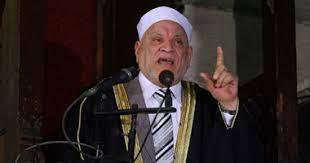

Atiya Lashin, a member of the Al-Azhar Fatwa Committee, addressed a question concerning people who prepare urfi marriage contracts and bring witnesses who have never known the husband and wife before and have no relationship with them.
The question focused on whether the testimony of such witnesses is considered valid and whether their presence fulfills the purpose of witnessing a marriage contract under Islamic law.
The Principle Behind Contracts and Their True Meaning
Atiya Lashin explained that Islamic legal rulings concerning contracts are not based solely on their wording or external form.
A well-established legal principle states that contracts are judged according to their meanings and purposes rather than merely according to their wording and structure.
This means that the actual purpose and substance of an agreement must be considered when determining its legal status.
Why Does the Meaning of a Contract Matter?
A contract may appear to take one form because of the words used to describe it, while its actual purpose may be different.
For example, an agreement may use the language of a gift while the actual intention of both parties is a sale. In such cases, the underlying meaning is considered rather than the wording alone.
Why Are Witnesses Required in a Marriage Contract?
Atiya Lashin explained that understanding the purpose of marriage witnesses is essential to answering the question about unknown witnesses.
According to his explanation, the requirement serves two major purposes related to announcing the marriage and protecting the rights resulting from it.
Publicizing the Marriage
The first purpose is to make the marriage known and public so that it does not remain a secret relationship.
Marriage is therefore not intended to exist entirely within secrecy, and witnessing contributes to making the marriage known among people.
He also explained that this purpose is reflected in the Maliki approach, which gives consideration to widespread knowledge and public recognition of a marriage when the intended purpose of witnessing has been achieved.
Protecting Lineage and Establishing the Marriage
The second purpose concerns protecting the lineage of children and preventing the denial of the marriage.
If a husband later denies that the marriage took place, testimony can serve as evidence of the marital relationship and help protect the rights and lineage of the children.
For this reason, the presence of witnesses is not merely about adding names and signatures to a written contract.
Are Unknown Witnesses Valid in an Urfi Marriage?
Applying these principles to the situation in question, Atiya Lashin explained that witnesses who are brought in specifically for the purpose of signing the marriage contract, while having no previous knowledge of the spouses or relationship with them, do not fulfill the intended purpose of witnessing the marriage.
The issue is therefore not simply whether people are physically present when the contract is signed.
Rather, the central question is whether their presence achieves the religious purpose for which witnessing was established.
Can a Marriage Contract Be Legally Valid but Religiously Invalid?
Atiya Lashin stated that a contract in such a situation may appear valid in terms of its formal and legal requirements, while being considered invalid from the religious perspective.
He emphasized that the determining consideration in religious matters is Islamic law and its requirements, rather than the mere completion of a legally recognized form.
Therefore, the presence of a written urfi marriage contract and signatures does not by itself establish that the religious requirements and purposes of witnessing have been fulfilled.
What Is the Ruling on Strangers Witnessing an Urfi Marriage?
The explanation provided by Atiya Lashin indicates that using witnesses who have no knowledge of the spouses and no relationship with them does not fulfill the intended religious purpose of witnessing a marriage.
The ruling is therefore connected to the actual purpose of testimony in marriage, particularly publicizing the marriage and helping preserve lineage and rights.
Do marriage witnesses have to know the spouses?
According to Atiya Lashin's explanation, the witnesses' knowledge of the spouses and the marriage is important for achieving the intended religious purpose of testimony.
Why are witnesses required for marriage?
Witnessing serves important purposes, including publicizing the marriage and helping establish the marital relationship and protect lineage if the marriage is later denied.
Are strangers brought in to sign an urfi marriage contract considered valid witnesses?
According to the case discussed, merely bringing strangers who have no knowledge or relationship with the spouses does not fulfill the intended religious purpose of witnessing.
Can a marriage contract be legally valid but religiously invalid?
Yes. Atiya Lashin explained that a contract may satisfy certain formal or legal requirements while failing to meet the religious requirements and purposes of the marriage contract.