Sujood Al-Tilawah in Prayer: Immediate or Can It Be Delayed? Islamic Ruling Explained
A detailed explanation of the ruling on prostration of recitation during prayer and the correct timing according to Islamic jurisprudence.
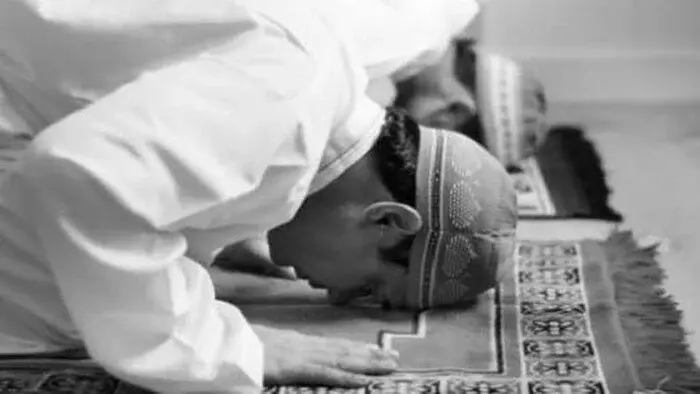

Sujood Al-Tilawah (prostration of recitation) is one of the most profound acts of worship that reflects humility when encountering verses of prostration in the Qur’an. Scholars have discussed its timing and method within prayer in detail.
Ruling on Sujood Al-Tilawah
It is considered a highly recommended Sunnah according to the majority of scholars, while some jurists view it as obligatory. It is performed when the reciter passes a verse of prostration.
When Should It Be Performed?
The general ruling is that it should be performed immediately after reciting the verse of prostration during prayer, without delay, whether the person is praying alone or leading others.
How It Is Performed
It involves two takbirs:
- One when going down into prostration
- One when rising from it
There is no raising of hands during the movement, and the takbir may be said aloud or quietly, with the imam preferably raising his voice to alert the congregation.
Wisdom Behind It
This act is prescribed to glorify the words of Allah and to demonstrate full submission when encountering verses of prostration, combining physical and spiritual humility.
Final Ruling Summary
Delaying Sujood Al-Tilawah within prayer is not preferred; rather, it should be performed immediately at its place as part of following the Prophetic tradition.
For more details and the latest news, follow Masr Connect

Learn about the authentic evening adhkar from the Sunnah, their virtues, recommended repetitions, and how they bring protection, peace, and blessings.

Ruqyah Shar’iyyah is one of the Islamic methods of seeking healing and protection through Quranic verses and prophetic supplications. Learn its correct method, verses, and duas.

Learn the dates of the White Days of Safar, the virtues of fasting them, why they are called the White Days, and the Islamic teachings regarding this recommended Sunnah.

Discover the complete story of Prophet David (Dawood) in Islam, including how he became both a king and a prophet, his miracles, his devotion to worship, and his remarkable life according to the Quran and authentic Sunnah.
