
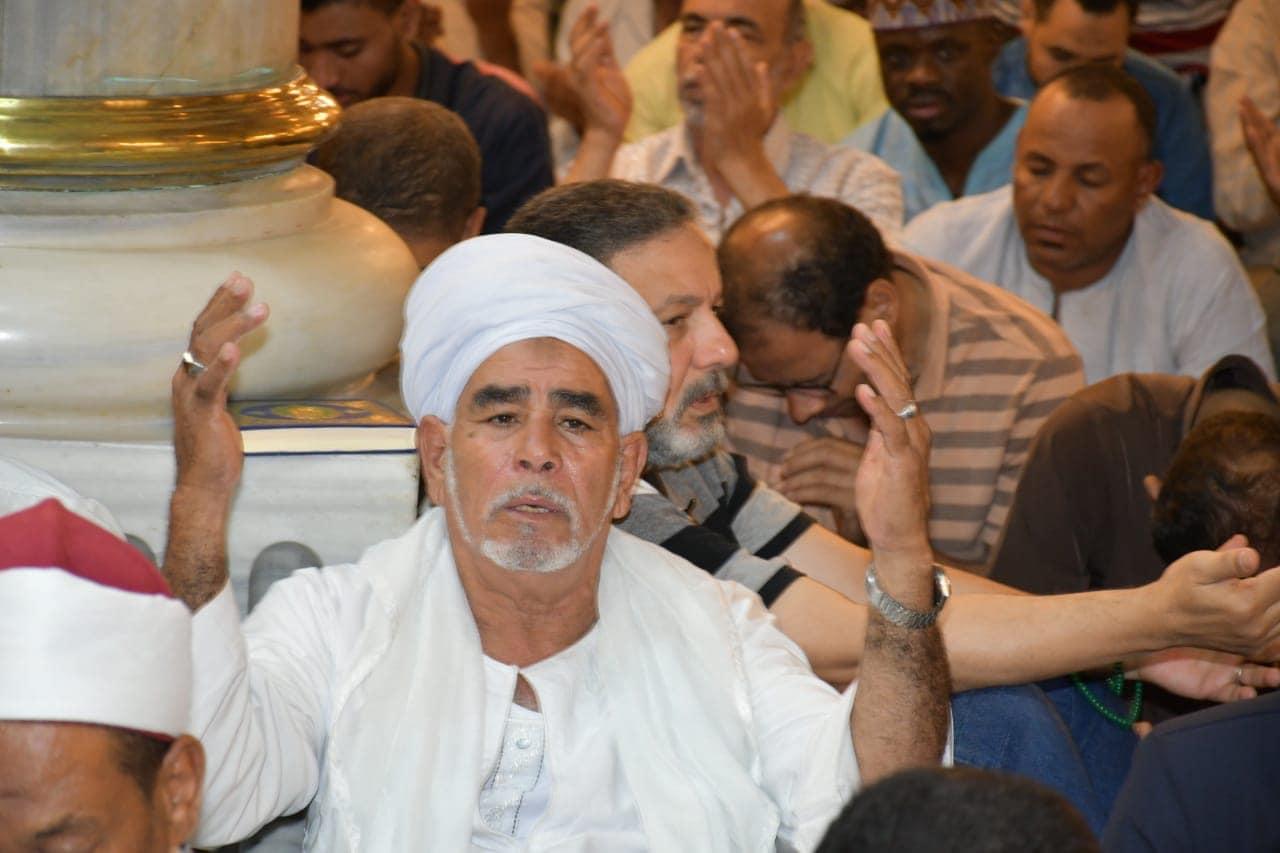

Many people ask about the supplication of 40 strangers and whether Islamic teachings establish that the prayer of forty people who are strangers to one another is guaranteed to be answered.
Egypt’s Dar al-Ifta explains that praying for another person in their absence is recommended and is hoped to be accepted by Allah, but Islamic law does not specify a particular number of people or require the supplicants to be strangers.
Is the Supplication of 40 Strangers Guaranteed to Be Answered?
There is no established Islamic text stating that the supplication of exactly forty strangers is guaranteed to be answered simply because the number reaches forty.
Praying for another person in their absence is a recommended act of worship, and its virtue does not depend on having exactly forty people or on the people being strangers to the person receiving the supplication.
Therefore, supplicating for others in their absence is encouraged and hoped to be accepted, but the number forty should not be treated as a religious condition for acceptance.
What Is the Ruling on Supplicating for Others in Their Absence?
Praying for another person when they are not present is a legitimate and recommended practice in Islam.
The Prophet Muhammad, peace and blessings be upon him, said:
“No Muslim servant supplicates for his brother in his absence except that the angel says: And for you the same.”
This hadith highlights the virtue of praying for others, as the angel responds by asking Allah to grant the supplicant something similar to what they requested for their fellow Muslim.
Why Is Supplication in Someone's Absence Virtuous?
Supplicating for someone who is absent can be a sincere act because the person making the prayer does not necessarily expect praise or direct benefit from the person they are praying for.
It therefore represents one of the forms of sincerity and mutual compassion encouraged among Muslims.
What Is the Virtue of Supplication in Islam?
Supplication is one of the great acts of worship because it expresses humility, dependence upon Allah, and reliance upon His mercy and generosity.
Allah says:
“And when My servants ask you concerning Me, indeed I am near. I respond to the invocation of the supplicant when he calls upon Me.”
Allah also says:
“Call upon your Lord humbly and privately.”
The Prophet Muhammad, peace and blessings be upon him, also said:
“Supplication is worship.”
These teachings demonstrate the central importance of du'a as a means of turning to Allah and asking Him for His grace.
Does Islam Specify a Number of Supplicants?
Islam does not establish a specific number of people as a condition for a supplication to be answered.
Therefore, it should not be claimed that the prayer of forty people, or any other number, is automatically accepted simply because the number has been completed, unless there is authentic evidence establishing such a virtue.
What matters includes sincerity, making a permissible supplication, avoiding barriers to acceptance, and maintaining good expectations of Allah.
What Can Prevent Supplication From Being Answered?
A Muslim should strive to improve their conduct and avoid matters that can prevent or hinder the acceptance of supplication.
Among the important matters to avoid are:
- Consuming unlawful wealth.
- Injustice and wrongdoing.
- Supplicating for something sinful.
- Asking for the severing of family ties.
- Becoming impatient and abandoning supplication because the answer is delayed.
A Muslim should also trust in Allah's mercy and generosity and continue making du'a with sincere conviction.
What Are the Best Times for Supplication?
Islamic teachings mention certain times and circumstances in which supplication is especially hoped to be accepted.
The Last Third of the Night
The last third of the night is among the virtuous times for supplication, when a Muslim can privately turn to Allah, humble themselves before Him, and ask for His mercy.
During Prostration
Prostration is one of the important places for making du'a. The Prophet encouraged Muslims to increase their supplications while prostrating.
Friday
Friday is a virtuous day, and Islamic teachings mention an hour during which supplication is especially hoped to be answered.
When Breaking the Fast
The supplication of a fasting person at the time of breaking the fast is among the circumstances in which acceptance is hoped for.
After the Obligatory Prayer
Muslims also engage in remembrance and supplication after completing the obligatory prayers while maintaining the established forms of dhikr.
How Can Supplication Be More Likely to Be Accepted?
A Muslim should approach Allah with sincerity, avoid unlawful matters and injustice, and refrain from becoming impatient about the response.
The supplication should also concern something permissible and should not involve wrongdoing or severing family ties.
Most importantly, the believer should remain confident in Allah's mercy and generosity and should not despair if the answer does not appear immediately.
Conclusion
There is no established Islamic rule guaranteeing that the supplication of forty strangers will be answered simply because the number reaches forty.
However, supplicating for others in their absence is recommended and has great virtue. The Prophet taught that an angel says to the person making such a supplication: “And for you the same.”
Muslims should make du'a sincerely, avoid barriers to acceptance, and take advantage of virtuous times for supplication, including the last third of the night, prostration, Friday, and the time of breaking the fast.
Is the supplication of 40 strangers guaranteed to be answered?
There is no established Islamic text guaranteeing acceptance simply because forty strangers make the supplication.
Is it recommended to pray for others in their absence?
Yes. Supplicating for others in their absence is a recommended act of worship.
Must the people making the supplication be strangers?
No. Islamic teachings do not require the supplicants to be strangers.
What are the best times for making du'a?
Among the virtuous times are the last third of the night, during prostration, on Friday, and when breaking the fast.
What can prevent a supplication from being answered?
Unlawful wealth, injustice, supplicating for sin or severing family ties, and becoming impatient with the response are among the matters that should be avoided.




