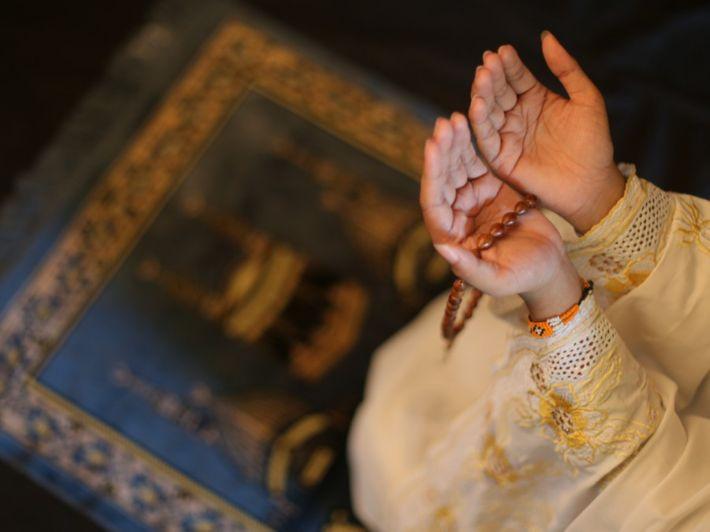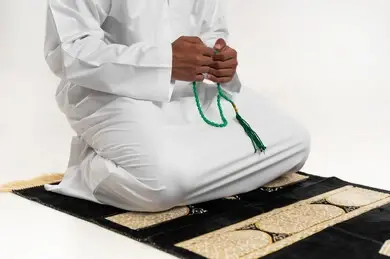

The Prophet Muhammad ﷺ taught several adhkar and supplications after prayer. After completing the prayer with the salam, the worshipper begins by seeking Allah's forgiveness and then recites the established remembrances.
Among the most well-known adhkar after obligatory prayer are seeking forgiveness three times, followed by:
“O Allah, You are Peace and from You comes peace. Blessed are You, O Possessor of Majesty and Honor.”
Other established remembrances include praising and glorifying Allah, declaring His oneness, reciting Ayat al-Kursi, and reading the Mu'awwidhat.
Seeking Forgiveness After Prayer
It is from the Sunnah for the worshipper to say:
“I seek forgiveness from Allah” three times.
Then the worshipper says:
“O Allah, You are Peace and from You comes peace. Blessed are You, O Possessor of Majesty and Honor.”
These are among the established words of remembrance that the Prophet ﷺ used to say after prayer.
The Declaration of Allah's Oneness
Among the established adhkar after prayer is:
“There is no god but Allah alone, without partner. To Him belongs the dominion and to Him belongs all praise, and He has power over all things. O Allah, none can withhold what You give, and none can give what You withhold, and the wealth of the wealthy cannot avail him against You.”
This remembrance affirms Allah's oneness, sovereignty, and absolute power.
Tasbih, Tahmid and Takbir After Prayer
One of the most famous forms of remembrance after prayer is:
- Subhan Allah — 33 times.
- Alhamdulillah — 33 times.
- Allahu Akbar — 33 times.
The worshipper then completes one hundred by saying:
“There is no god but Allah alone, without partner. To Him belongs the dominion and to Him belongs all praise, and He has power over all things.”
These words combine glorification, praise, magnification, and affirmation of Allah's oneness.
Reciting Ayat al-Kursi After Prayer
Ayat al-Kursi is recited after every obligatory prayer.
It is recited once after each obligatory prayer and is among the established practices that Muslims may maintain as part of their remembrance after prayer.
Reciting the Mu'awwidhat After Prayer
The worshipper may also recite Surah Al-Ikhlas, Surah Al-Falaq, and Surah An-Nas after prayer.
They are recited once after Dhuhr, Asr, and Isha, and three times after Maghrib and Fajr.
These short surahs contain profound meanings of monotheism and seeking refuge in Allah from different forms of harm and evil.
Supplications Reported From the Prophet
There are also supplications connected with prayer, including:
“O Allah, help me remember You, give thanks to You, and worship You well.”
This is a profound supplication in which the worshipper asks Allah to help him remain constant in remembrance, gratitude, and sincere worship.
Other reported supplications include seeking refuge in Allah from miserliness, cowardice, the worst stage of old age, the trials of worldly life, and the punishment of the grave.
There are also supplications seeking refuge from disbelief, poverty, and the punishment of the grave.
Is There Only One Supplication After Prayer?
No. The adhkar after prayer are not limited to a single wording. Several forms of remembrance have been reported from the Prophet ﷺ.
A Muslim may maintain the established prophetic adhkar and supplications while seeking to recite them with sincerity and attentiveness.
The Order of Adhkar After Prayer
After completing the prayer with the salam, the worshipper can begin by seeking Allah's forgiveness three times, followed by:
“O Allah, You are Peace and from You comes peace. Blessed are You, O Possessor of Majesty and Honor.”
The worshipper may then recite the established forms of remembrance, including the declaration of Allah's oneness, tasbih, tahmid, takbir, Ayat al-Kursi, and the Mu'awwidhat.
In this way, the Muslim concludes the obligatory prayer with remembrance of Allah and the established prophetic supplications.
What should be said immediately after prayer?
Say “I seek forgiveness from Allah” three times, followed by “O Allah, You are Peace and from You comes peace...”
How many times is Subhan Allah said after prayer?
Subhan Allah is said 33 times, Alhamdulillah 33 times, and Allahu Akbar 33 times, followed by the declaration of Allah's oneness to complete one hundred.
Is Ayat al-Kursi recited after every prayer?
Yes. Ayat al-Kursi is recited once after each obligatory prayer.
How many times are the Mu'awwidhat recited after prayer?
They are recited once after Dhuhr, Asr, and Isha, and three times after Maghrib and Fajr.
What supplication asks Allah for help in worship?
One established supplication is: “O Allah, help me remember You, give thanks to You, and worship You well.”