
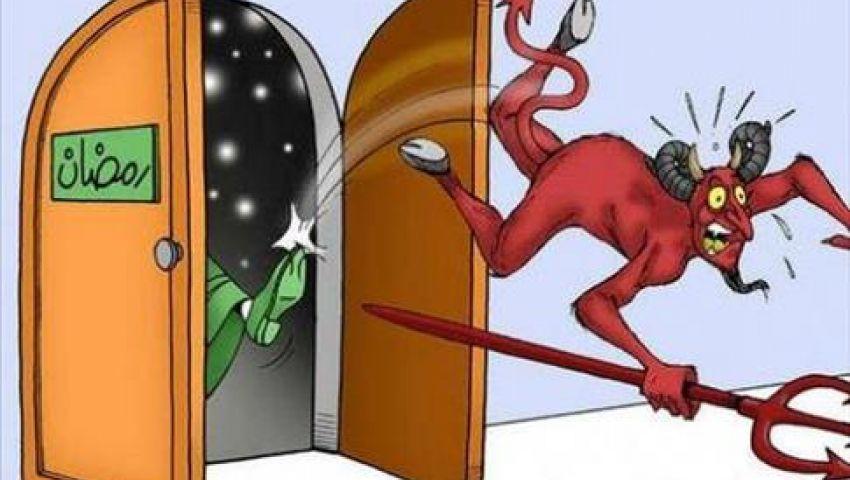

Dar Al-Ifta clarified the meaning of the hadith: “When Ramadan comes, the gates of Paradise are opened, the gates of Hell are closed, and the devils are chained.”
Scholars have interpreted this in several ways:
-
The devils may be literally bound, unable to tempt or mislead fasting believers.
-
It could mean protection for the majority of believers, or binding of specific devils such as the eavesdropping ones.
-
It can also be metaphorical, signifying divine safeguarding and a reduction of evil.
Sins occurring in Ramadan despite the chaining of devils can be explained by:
-
Chaining applies mainly to believers observing proper fasting etiquette; violators may still be influenced.
-
Sins can arise from human desires, bad habits, or inner tendencies (insidious “human” devils).
-
The binding is often on rebellious devils; others remain free, with the aim of reducing evil rather than eliminating it completely.
Scholars emphasize that chained devils allow diligent worshippers to be protected from temptation, with Paradise opened to them and Hell closed. Those neglecting worship or indulging in wrongdoing remain susceptible, though overall evil is less in Ramadan compared to other months.
For more details and latest updates, follow Misr Connect




