The Difference Between Praise and Gratitude: Insights from Islamic Scholars
Sheikh Khaled El-Gendy explained the fine distinction between Hamd (praise) and Shukr (gratitude), highlighting that Hamd is broader and more complete, representing the highest form of worship and acknowledgment of divine blessings.
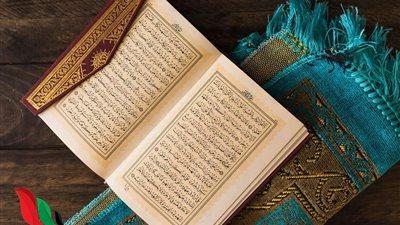

The difference between Hamd (praise) and Shukr (gratitude) has long intrigued scholars and linguists for the depth of meaning it reveals in a believer’s relationship with God through both blessings and trials.
Sheikh Khaled El-Gendy, a member of Egypt’s Supreme Council for Islamic Affairs, stated that the hadith in which the Prophet ﷺ mentioned the servant who says, “O Lord, to You belongs all praise, as befits the majesty of Your face and the greatness of Your authority,” reflects profound theological meaning. He explained that Hamd is more comprehensive than Shukr, for gratitude arises at the beginning or during a blessing, while praise is offered when the blessing is complete.
According to El-Gendy, Shukr is an initial acknowledgment of God’s favor, while Hamd expresses satisfaction and completion. This is reflected in the Qur’anic verse, “And it will be said, ‘Praise be to Allah, Lord of the worlds,’” marking the perfection of blessings.
Unlike Shukr, which can be directed to people or God, Hamd is exclusive to Allah, as it carries meanings of glorification and sanctification. The opening of the Qur’an with “Alhamdulillahi Rabbil-‘Alameen” symbolizes that the revelation itself is the greatest blessing deserving of eternal praise.
Linguistically, Hamd is defined as the opposite of blame, encompassing both verbal and heartfelt acknowledgment, while Shukr is limited to gratitude for a specific favor. Scholars like Ibn Manzur and Al-Azhari distinguished between the two by noting that praise may be offered even without direct benefit, whereas gratitude must respond to an act of kindness.
In essence, Hamd is broader—it applies to all states, both joy and hardship—whereas Shukr is restricted to blessings. Gratitude may be shown through the heart, tongue, and deeds, as the Qur’an says: “Work, O family of David, in gratitude.”
Ultimately, Hamd represents divine praise that springs from love and reverence, while Shukr embodies acknowledgment and appreciation of God’s grace. Together, they define the soul of a believer who recognizes God’s mercy in every circumstance.
Discover the complete evening adhkar from the Quran and Sunnah, including Ayat Al-Kursi, the last verses of Surat Al-Baqarah, and authentic supplications for remembrance and protection.

Discover the best ways to get closer to Allah and improve yourself through prayer, remembrance, Quran reading, repentance, and righteous deeds.
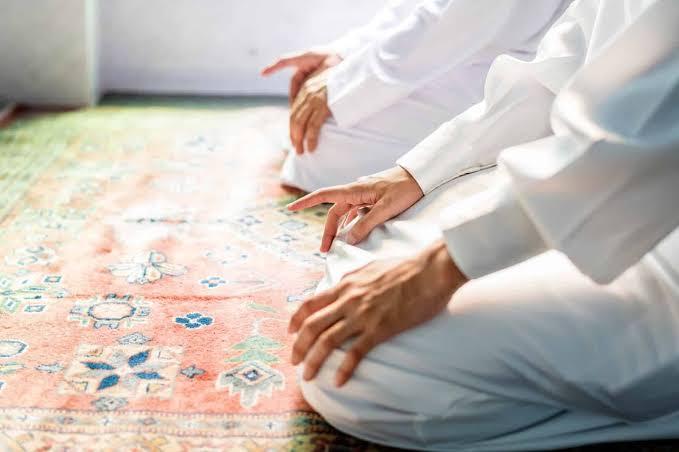
Egypt’s Dar Al-Ifta explains the ruling for a person who performs Wudu and then impurity falls on their clothes or body without knowing its exact location, clarifying the proper purification method for valid prayer.

The Ministry of Awqaf continues its efforts to develop and maintain houses of worship by inaugurating 25 new mosques on Friday, July 17, 2026, as part of its nationwide mosque construction, reconstruction, renovation, and maintenance plan.
