

As Muslims enter the final ten nights of Ramadan, many increase their prayers and supplications in the hope of witnessing Laylat al-Qadr, the most spiritually significant night of the year.
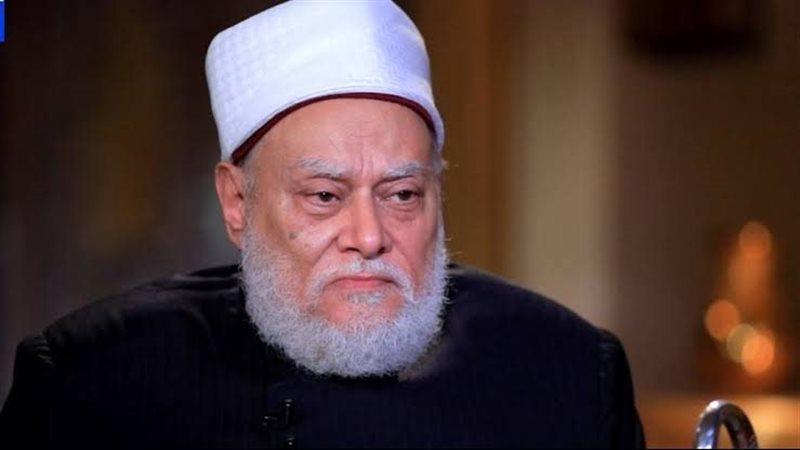
Islamic scholar Ali Gomaa explained that the Prophet Muhammad guided his followers toward specific forms of remembrance and supplication that carry special significance during these nights.
According to his explanation, believers are free to call upon God using any of His beautiful names, as the divine attributes mentioned in Islamic tradition extend beyond the well-known ninety-nine names. However, prophetic teachings highlight one particular name that is especially meaningful during the final nights of Ramadan.
That name is “Al-‘Afuww”, meaning “The Most Forgiving.” The Prophet recommended a short but powerful supplication associated with this name when Aisha asked what she should say if she encountered the Night of Decree.
He advised her to recite the well-known prayer:
“O Allah, You are Most Forgiving and You love forgiveness, so forgive me.”
Scholars describe this supplication as a comprehensive prayer because it combines praise of God with a sincere request for mercy and forgiveness. It reflects humility before the Creator and a deep desire for spiritual purification during one of the holiest nights in Islam.
In addition to this recommended supplication, believers are encouraged to pray for any good in this life and the hereafter. Traditions describing the Prophet’s night prayers show how he frequently turned to God with humility, seeking protection, mercy, and guidance.
Religious scholars emphasize that the true value of these blessed nights lies not only in repeating words of supplication but in approaching God with sincerity, faith, and hope for divine mercy.
For more details and the latest news, follow Misr Connect.




