
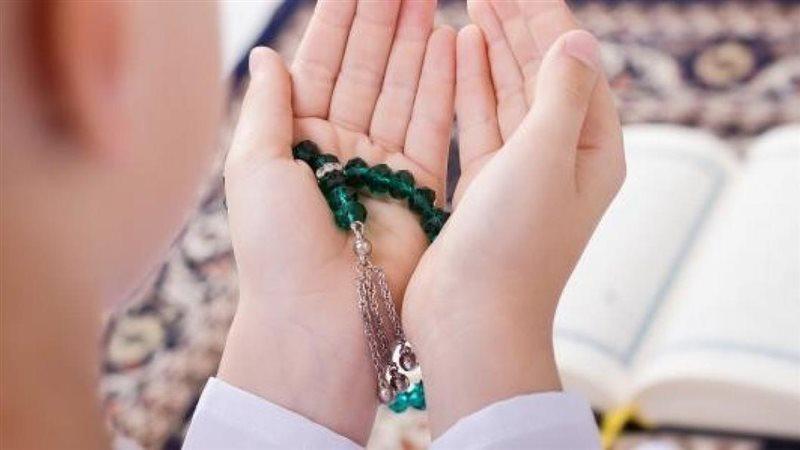

In moments of illness, when the body weakens and the soul hangs between pain and hope, supplication remains the light that dispels darkness—the door we knock on with full trust in God’s vast mercy.
Egypt’s Dar Al-Ifta has affirmed that a Muslim’s supplication for a sick person is one of the greatest forms of compassion and solidarity. It is an act of worship for which the one who دعا is rewarded even before the patient receives its blessing, as it reflects sincere faith that healing lies in God’s hands alone.
It was from the practice of the Prophet ﷺ, when he fell ill, to turn to God through ruqyah and supplication. He would recite the Mu'awwidhat (protective chapters), blow lightly, and pass his hand over the place of pain—a scene that combines reliance, certainty, and contentment.
Among the most beautiful supplications reported from the Prophet ﷺ for healing:
“O Allah, Lord of mankind, remove the harm and heal. You are the Healer; there is no healing except Your healing—a healing that leaves no illness behind.”
It is also recommended for a Muslim to supplicate for themselves or others by saying:
“O Allah, heal our sick and the sick among the Muslims. O Allah, clothe them in well-being and restore their health in the most beautiful way.”
There are also comprehensive supplications filled with hope and reassurance, such as:
“O Allah, make what has afflicted us a purification and mercy. Grant us reward and well-being through it, and replace our pain with tranquility and acceptance.”
At its core, supplication is a journey of the heart toward the heavens, where a servant whispers the name of their Lord, confident that every pain has an end—and that behind every hardship lies a mercy waiting to unfold.
For more details and latest news, follow Masr Connect




