
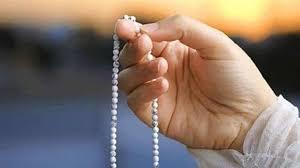

Prayers are the spiritual backbone of a Muslim’s life, and the moments after prayer are the perfect time to connect with Allah through dhikr (remembrance) and supplication. Dhikr after prayer is not merely a Sunnah; it is a key to inner peace, removing worries, attracting sustenance, and increasing blessings in everyday life. In this article, we explore the virtues of Tasbih, Tahmid, and Takbir, the most recommended post-prayer supplications, and the great benefits of consistently practicing them.
Why Scholars Recommend Dhikr After Prayer
Dr. Mokhtar Marzouk Abdel Rahim, Professor of Tafsir and Quranic Sciences at Al-Azhar University, emphasizes that dhikr after prayer has immense virtue. The Sunnah encourages believers to adhere to post-prayer dhikr to achieve closeness to Allah and forgiveness of sins. Among the most important dhikrs are Tasbih, Tahmid, Takbir, Ayat al-Kursi, and the Mu’awwidhatain (Surah Al-Falaq and Al-Nas).
The Virtue of Ayat al-Kursi After Prayer
Abu Umamah (RA) reported that the Prophet Muhammad (PBUH) said: “Whoever recites Ayat al-Kursi after every obligatory prayer, nothing prevents him from entering Paradise except death.” This demonstrates that reciting this verse keeps the believer under Allah’s protection at all times.
Tasbih, Tahmid, and Takbir (33 × 3)
It is recommended to say after each prayer:
-
Tasbih (SubhanAllah) 33 times
-
Tahmid (Alhamdulillah) 33 times
-
Takbir (Allahu Akbar) 33 times
-
Complete the 100 by saying: “La ilaha illallah wahdahu la sharika lah, lahul-mulk wa lahul-hamd, wa huwa ‘ala kulli shay’in qadir.”
Abu Huraira (RA) reported: “Whoever says SubhanAllah thirty-three times, Alhamdulillah thirty-three times, and Allahu Akbar thirty-three times after each prayer, making ninety-nine, then completes the hundred with: La ilaha illallah wahdahu la sharika lah, lahul-mulk wa lahul-hamd, wa huwa ‘ala kulli shay’in qadir, his sins will be forgiven even if they are as much as the foam of the sea.”
Spiritual Benefits of Dhikr After Prayer
-
Repels Satan: Protects the heart from the whispers of Shaytan.
-
Removes Worries: Reduces mental stress and increases peace of heart.
-
Increases Sustenance: Brings blessing to wealth and deeds.
-
Strengthens Connection with Allah: Brings serenity and closeness to God.
-
Invites Mercy and Tranquility: Ensures angels’ protection and care.
-
Purifies Speech and Behavior: Distracts from gossip and immoral talk.
-
Equivalent to Major Acts of Worship: Has rewards comparable to freeing slaves and is easy to perform.
-
Boosts Faith: Strengthens spiritual connection and draws one closer to the Hereafter.
-
Eases Difficulties: Facilitates challenges and eases hardships with Allah’s permission.
-
Allah Honors the Rememberers: Allah boasts about the believers who engage in dhikr to His angels.
Essential Supplications After Prayer
-
Istighfar (Seeking Forgiveness) three times: To repent for any shortcomings in prayer.
-
Salam Dua: “Allahumma Anta as-Salam, wa Minkas-Salam, Tabarakta ya Dhal-Jalali wal-Ikram.”
-
Comprehensive Dhikr: “La ilaha illallah wahdahu la sharika lah, lahul-mulk wa lahul-hamd, wa huwa ‘ala kulli shay’in qadir, Allahumma la mani’a lima a’ta’t, wa la mu’ta li ma mana’t, wa la yanfa’u dha al-jaddi minka al-jadd.”
-
Mu’awwidhatain: Recite Surah Al-Falaq and Al-Nas after each prayer for protection from all evils.
-
Supplication for Assistance in Worship: “Allahumma a’inni ‘ala dhikrika, wa shukrika, wa husn ‘ibadatika.”
-
Supplication for Guidance and Righteousness: “Allahumma aghfir li dhunoobi wa khatayaya kullaha, Allahumma an’ishni wa ajburni wa ahdini lis-salihil a’mal wal-akhlaq.”
-
Supplication for Protection: “Allahumma inni a’udhu bika min al-kufr, wal-faqr, wa ‘adhab al-qabr.”
How Regular Practice Helps You
Consistently performing these dhikrs after each prayer brings tranquility to the heart, positively structures the believer’s life, strengthens the bond with Allah, and transforms daily life by increasing inner peace and contentment.




