


The names of the Prophet Muhammad’s daughters hold a special place in the hearts of Muslims, symbolizing purity, dignity, and a noble lineage. The Prophet had four daughters: Fatimah, Zaynab, Ruqayyah, and Umm Kulthum—names that carried beauty in meaning and reflected their honored roles in early Islamic society. These names remain among the most beloved choices for newborn girls due to their spiritual resonance and historical significance.
Prophetic traditions indicate that the Prophet Muhammad did not only favor the names of his daughters, but also endorsed and selected beautiful names for many women around him, preferring names with good meanings and rejecting those with negative connotations. According to Islamic scholar Ragheb Al-Sargani, seventeen notable names became popular due to the Prophet’s approval, whether they belonged to his daughters, wives, granddaughters, or female companions whose names he praised.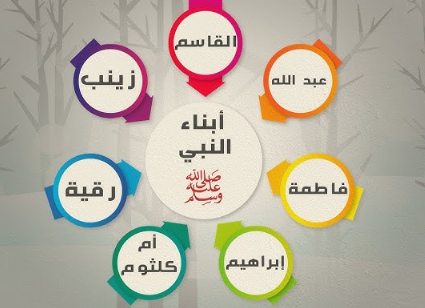
Meanings of the Prophet’s daughters’ names:
-
Zaynab: One of the Prophet’s most beloved names; it means a fragrant tree or a beautiful white flower.
-
Ruqayyah: Could mean gentleness or elevation, symbolizing growth and virtue.
-
Umm Kulthum: Indicates a beautiful, full-cheeked face, often used for women admired for their graceful features.
-
Fatimah: From “fatm,” meaning to refrain from wrongdoing; symbolizes purity and righteousness.
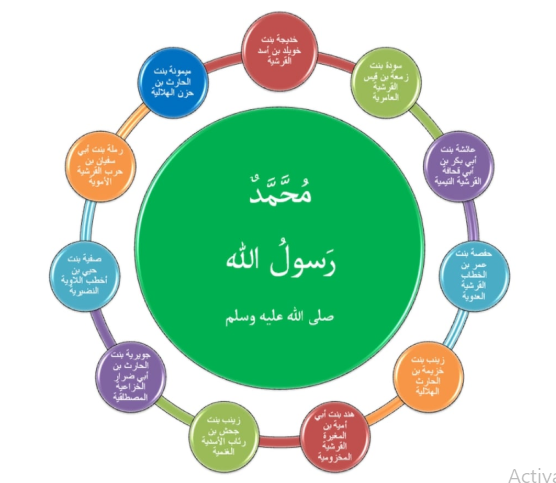
Names of the Prophet’s wives and their meanings:
Among the names he approved and loved: Khadijah, Sawdah, A’ishah, Hafsah, Hind (Umm Salamah), Juwayriyah, Safiyyah, Ramla (Umm Habibah), and Maymunah—each carrying rich meanings related to blessing, purity, softness, or beauty.
Names of women from the prophetic era that remain popular:
-
Maria: Meaning a fair, radiant woman.
-
Raihana: From basil, symbolizing fragrance, comfort, and divine mercy.
-
Umamah: The Prophet’s granddaughter; means “purpose or destination,” and also refers to a large number of camels.
The name the Prophet loved most:
Among the names he changed personally was “Jamila” (“beautiful”). The woman’s original name was “Asiyah,” which carried an unfavorable meaning, and the Prophet replaced it with “Jamila,” reflecting his preference for names filled with positivity and hope.




