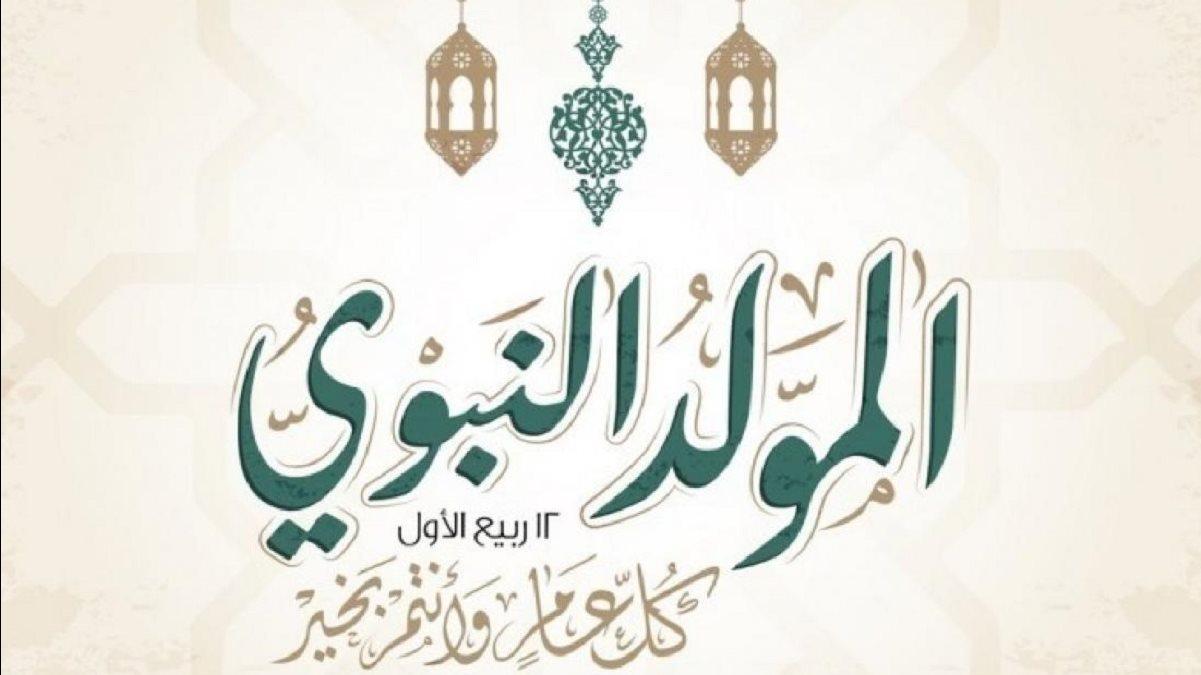
Egypt’s Dar al-Ifta affirmed that commemorating the Prophet Muhammad’s Birthday (Mawlid al-Nabawi) represents an opportunity to recall the meanings of hope, light, and joy, as well as the noble values embodied in the Prophet’s biography that encourage people to embrace life and work toward building and developing society.
Dar al-Ifta explained that observing this occasion can provide an opportunity to renew spiritual values, strengthen the spirit of cooperation, unite people around common goals, and direct efforts toward benefiting individuals and society.
This came in posts published by Egypt’s Dar al-Ifta on its official Facebook page, coinciding with the approaching anniversary of the Prophet’s Birthday, which Muslims commemorate during the month of Rabi’ al-Awwal each year.
What Did Dar al-Ifta Say About Celebrating the Prophet’s Birthday?
Egypt’s Dar al-Ifta explained that the Prophet’s Birthday carries meanings of hope, light, and joy, stressing that recalling the Prophet’s biography helps restore a spirit that loves life and approaches it with positivity and a commitment to productive work.
The institution noted that the occasion can inspire people to unite and combine their efforts in ways that serve society and support development and constructive progress.
The Prophet’s Birthday and the Meanings of Hope and Positivity
Dar al-Ifta views recalling the Prophet’s biography on this occasion as going beyond commemorating a historical event. Rather, it provides an opportunity to draw inspiration from the values and meanings embodied in the life of Prophet Muhammad, peace and blessings be upon him and his family.
Among the most prominent of these values are hope, good deeds, serving others, and cooperation in matters that promote goodness and righteousness.
Dar al-Ifta Reviews the History of Celebrating the Prophet’s Birthday
Egypt’s Dar al-Ifta noted that the Muslim community has traditionally commemorated the Prophet’s Birthday since the fourth and fifth centuries AH, explaining that observing the occasion took various forms of acts of worship and devotion.
The institution confirmed that accounts of the history of Mawlid celebrations appear in the works of a number of historians and scholars, including Ibn al-Jawzi, Ibn Dihya, Ibn Kathir, Ibn Hajar, and Imam al-Suyuti, among others.
Acts of Worship and Devotion on the Prophet’s Birthday
According to Dar al-Ifta, commemorating the Prophet’s Birthday throughout history has been associated with various forms of worship and devotional acts, reflecting the prominent position of the Prophet, peace and blessings be upon him and his family, in the hearts of Muslims.
The Prophet’s Birthday and Recalling the Prophetic Biography
Dar al-Ifta emphasized the importance of using the Prophet’s Birthday as an opportunity to recall the values found throughout the Prophet’s biography, particularly hope, positivity, embracing life, productive work, and constructive development.
These meanings take on particular importance when the occasion becomes an opportunity to reflect on the Prophet’s biography and draw lessons and values from it that can positively influence individuals and society.
How Can the Prophetic Biography Promote Work and Development?
The Prophet’s biography contains numerous examples of responsibility, cooperation, patience, and working for the common good. These values can be recalled during the occasion in ways that strengthen positivity and encourage people to serve their communities.
The Prophet’s Birthday in the Hearts of Muslims
The Prophet’s Birthday occurs each year during the month of Rabi’ al-Awwal and holds a special place in the hearts of Muslims, who recall the birth of Prophet Muhammad, peace and blessings be upon him and his family, his biography, and the profound impact he left on the Muslim community.
As the occasion approaches, interest in the Prophet’s biography and remembrance of his virtues are renewed, alongside reflection on the values and meanings associated with the occasion.
Dar al-Ifta and the Prophet’s Birthday.. A Call for Development and Service to Society
The posts published by Egypt’s Dar al-Ifta focused on the values associated with the occasion, emphasizing that the Prophet’s Birthday can serve as a motivation for building and development, uniting people, and directing efforts toward benefiting others.
In this way, the occasion becomes an opportunity to recall the inspiring meanings found in the Prophet’s biography and connect them with conduct, work, and positivity, contributing to a stronger sense of responsibility toward society.
Key Hashtags Associated With the Occasion
Dar al-Ifta concluded its posts with several hashtags associated with the Prophet’s Birthday, including: “Born the Guide,” “Rabi’ al-Anwar” (Spring of Lights), and “Our Master Muhammad ﷺ.”
What did Dar al-Ifta say about celebrating the Prophet’s Birthday?
Dar al-Ifta affirmed that the Prophet’s Birthday brings to mind the meanings of hope, light, and joy, and encourages work, development, and service to society.
When did Muslims traditionally begin celebrating the Prophet’s Birthday?
Dar al-Ifta stated that the Muslim community has traditionally commemorated the Prophet’s Birthday since the fourth and fifth centuries AH.
What is the importance of the Prophet’s biography during the Mawlid?
The occasion provides an opportunity to recall values from the Prophet’s biography, including hope, positivity, productive work, cooperation, and serving others.
In which month do Muslims commemorate the Prophet’s Birthday?
Muslims commemorate the Prophet’s Birthday during the month of Rabi’ al-Awwal each year.
What are some of the hashtags used by Dar al-Ifta?
Among them are “Born the Guide,” “Rabi’ al-Anwar” (Spring of Lights), and “Our Master Muhammad ﷺ.”