
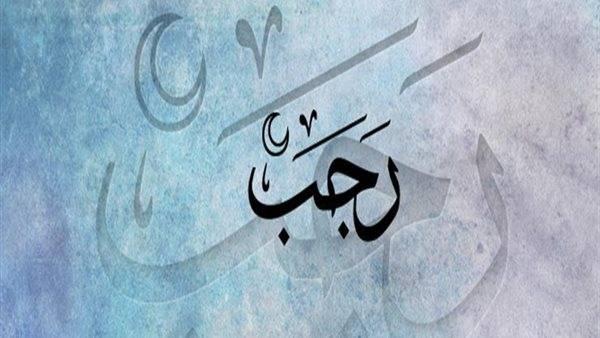

With the arrival of the first day of Rajab, many Muslims wonder about the ruling on fasting this day and the recommended deeds to welcome the holy month.
The Egyptian Dar Al-Ifta stated that fasting the first day of Rajab is a Sunnah the Prophet ﷺ observed. The companion Sahl ibn Sa’d narrated: “There is a gate in Paradise called Al-Rayyan, through which only those who fast will enter on the Day of Judgment, and it will be asked: Where are the fasted ones?”
It is also reported that upon sighting the Rajab crescent, the Prophet ﷺ would say: “O Allah, bless us in Rajab and Sha’ban, and allow us to reach Ramadan; help us in fasting and praying, protect our tongues, guard our gaze, and spare us hunger and thirst from it.”
Regarding concerns over fasting the first day of Rajab, Dar Al-Ifta clarified that fasting in Rajab is a recommended Sunnah due to the month’s virtue and reward. Fasting on a Sunday alone is permissible, ideally accompanied by the day before or after.
Best practices for welcoming Rajab include:
-
Frequent remembrance of Allah: “Subhan Allah, Alhamdulillah, La ilaha illallah, Allahu Akbar, La hawla wa la quwwata illa billah” and other enduring phrases like: “Astaghfirullah, Inna lillahi wa inna ilayhi raji’un, Tawakkaltu ‘ala Allah, Hasbunallahu wa ni’mal wakeel, Allahumma salli wa sallim ‘ala Sayyidina Muhammad wa Aalihi.”
-
Supplication and spiritual dialogue with Allah, as “du’a is worship.”
-
Recitation and contemplation of the Quran, or listening to it for those unable to read.
-
Increasing good deeds, giving charity, avoiding oppression, and maintaining acts of worship for continued reward.
-
Welcoming the month with joy and congratulating fellow Muslims.
Rajab is the seventh month in the Hijri calendar, one of the sacred months, known as “Al-Asam” and “Al-Fard” for its distinct virtue, and is also marked by the miracle of Isra and Mi’raj on its 27th day.




