The Virtue of Isha Prayer Before Midnight: 15 Reasons to Pray Now
Praying Isha before midnight carries immense reward and following the Prophet ﷺ’s guidance in delaying it slightly without missing its time.


Knowing the virtue of Isha before midnight helps Muslims perform this important prayer on time. Isha is one of the most beloved and rewarding prayers, and praying it in congregation is equivalent to performing half of the night prayer.
Top 15 Virtues of Isha Before Midnight:
-
Isha is one of the most beloved prayers.
-
It carries the highest reward.
-
Congregational Isha equals half the night prayer.
-
Duas after Isha are accepted.
-
Elevates the believer’s rank.
-
Leads to Paradise.
-
Prevents evil deeds and sin.
-
It’s the first action for which one is held accountable on the Day of Judgment.
-
Provides light on the Day of Judgment.
-
Forgives sins and mistakes.
-
Awaiting Isha is considered a form of jihad.
-
Four obligatory rak’ahs, plus two voluntary rak’ahs.
-
Delaying it slightly is preferred if it doesn’t cause hardship.
-
Recitation from the middle of Al-Mufassal after Al-Fatihah.
-
Praying on time is among the best deeds after testifying to Allah’s oneness.
Can Isha be delayed past midnight?
It is not permissible to delay Isha past midnight or right before Fajr. Slight delay is allowed for convenience and calmness.
Rak’ahs of Isha:
Four obligatory, plus two voluntary rak’ahs.
Best Time to Pray:
From after twilight until midnight, ensuring no hardship; some scholars allow slight delay in congregation.
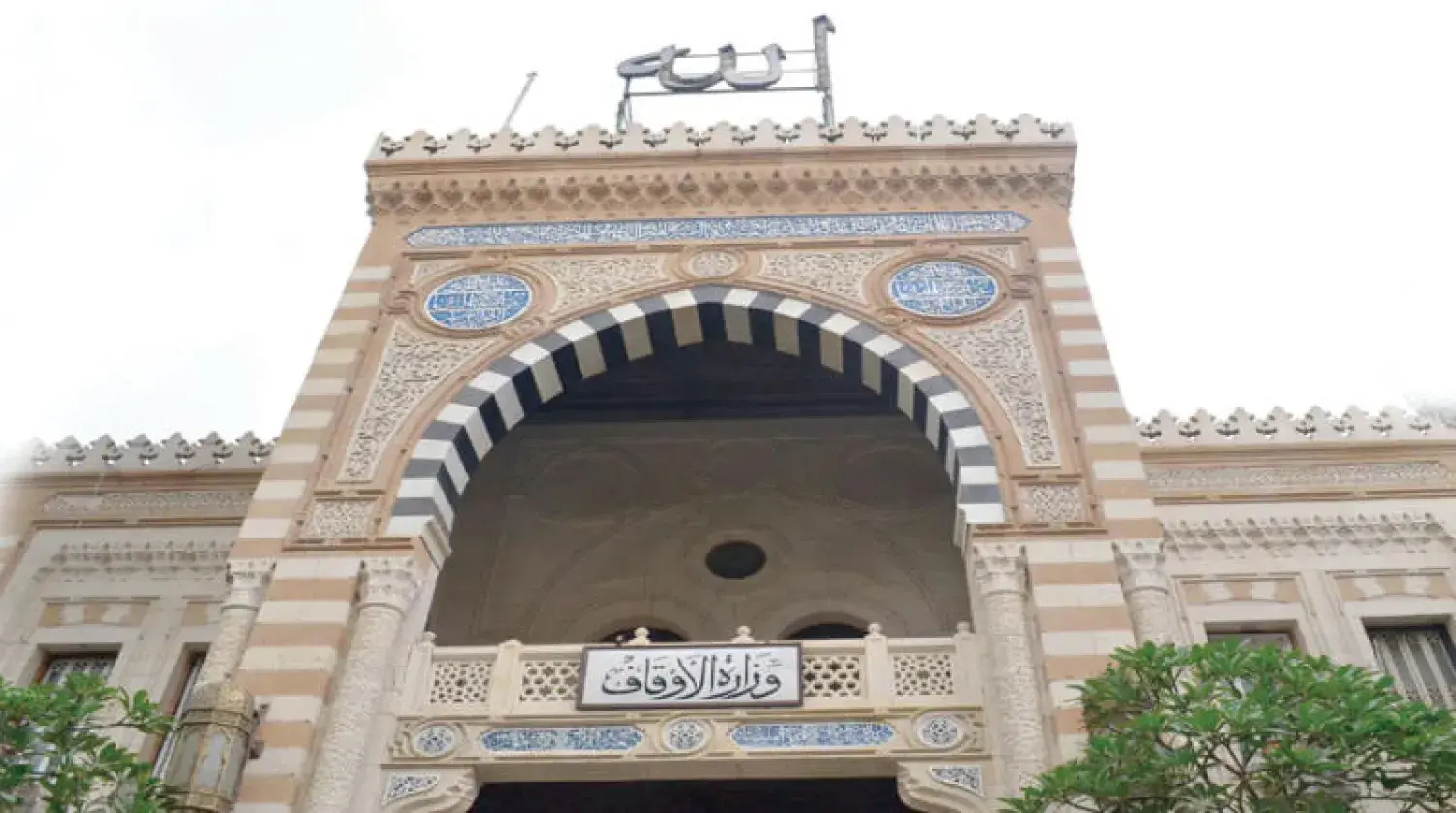
The Ministry of Endowments announced the approval of 25 new female preachers after they successfully passed the required exams, as part of a plan aimed at strengthening women’s role in promoting moderate thought and expanding religious outreach across governorates.

Dar Al-Ifta Al-Masriyyah clarifies the Islamic guidelines for humor, emphasizing that it is permissible when it remains truthful, respectful, and free from harm or religious violations.
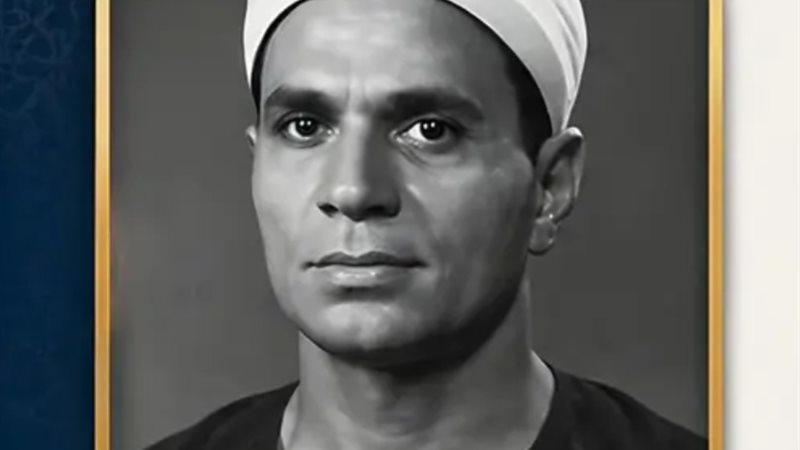
The Ministry of Awqaf commemorates the death anniversary of Sheikh Ahmed Soliman Al-Saadani, one of Egypt’s most prominent Qur’an reciters whose voice left a lasting spiritual impact.

In moments of anger, a few words and simple actions can restore peace, calm the heart, and prevent regret.
