
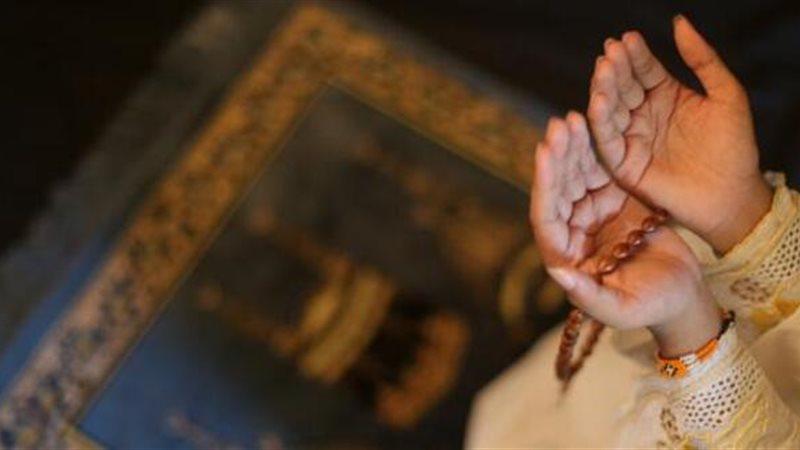

Many people seek words that soothe the heart and lift burdens, and Islamic tradition offers profound supplications that provide spiritual comfort and reassurance. Prayer is one of the noblest acts of worship, drawing the believer closer to God and granting him serenity during moments of distress.
Among the most powerful supplications is the invocation: “O Ever-Living, O Sustainer, by Your mercy I seek help; rectify all my affairs and do not leave me to myself for even the blink of an eye.” Another deeply moving prayer is the one uttered by the Prophet after the hardships of Ta’if: “O Allah, to You I complain of my weakness and lack of strength…” — a plea that resonates with anyone seeking divine comfort.
The Prophet taught that whoever recites the master supplication of forgiveness with certainty and dies that day will enter Paradise: “O Allah, You are my Lord, there is no god but You…” He also said that the supplication of Prophet Yunus — “There is no god but You; glory be to You; indeed I was among the wrongdoers” — is never recited by a believer except that God responds.
Another supplication taught for times of distress is: “There is no god but Allah, the Most Great, the Most Forbearing…” — a dhikr that combines praise and petition, and one rewarded abundantly by the Almighty.
Tradition also preserves several comprehensive prayers that mend the heart, such as: “O Allah, our worries have grown, and no one can remove them but You,” and “O Allah, suffice me in what concerns me…” These invocations restore calm and fill the soul with hope.
Sending blessings upon the Prophet is also a means of easing burdens, while seeking forgiveness brings relief and provision, as indicated by many authentic texts.




