
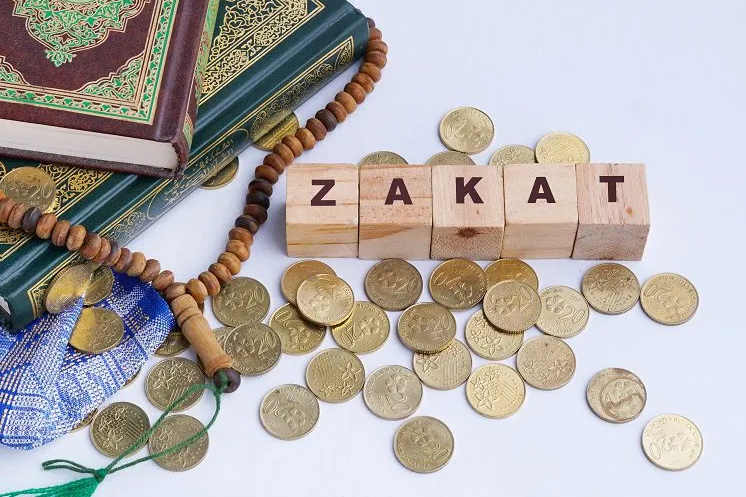

Zakat is one of the pillars of Islam, obligatory on a Muslim when their wealth reaches the nisab and one lunar year has passed. But a common question arises: what is the ruling on zakat if the wealth perishes after becoming due?
Zakat on Lost Wealth
According to the Grand Mufti, zakat is due on wealth at the time it becomes obligatory. If the wealth perishes after zakat is due, the ruling is based on the wealth’s condition at the due time. If the wealth existed when zakat was due, it was obligatory then, even if it later perished.
Sustenance and Its Relation to Sin and Righteousness
Allah is the provider of all creation without limit:
"And in the heavens is your provision and whatever you are promised."
"Travel through the land, and provision is from Allah."
Sinful acts may affect one’s sustenance, while good deeds, such as maintaining family ties, increase blessings and provision:
-
Maintaining ties is a reason for abundant sustenance
-
Cutting ties may lead to a decrease in provision
The Prophet Muhammad (peace be upon him) said:
"Whoever maintains it, I maintain him; and whoever severs it, I sever him."
Increasing Sustenance Through Righteousness and Supplication
Being kind to relatives, orphans, and the needy increases sustenance. Allah commands this in the Quran:
"But righteousness is [in] one who believes in Allah, the Last Day, the Angels, the Book, and the Prophets, and gives wealth, in spite of love for it, to relatives, orphans, the needy..." (Al-Baqarah: 177)
Recommended Supplication for Sustenance
The Prophet (PBUH) mentioned a supplication that brings unblocked sustenance:
-
Recite “Say: He is Allah, One” 100 times after Friday prayer
-
Send blessings upon the Prophet 100 times
-
Say: “O Allah, suffice me with Your lawful provision instead of Your forbidden, and enrich me with Your bounty over all others” 70 times
This supplication is confirmed in the Sunnah through narrations from Ali ibn Abi Talib and Jarir (RA) emphasizing its virtue and effectiveness.




