True Religiosity vs. Superficial Religiosity: How to Tell the Difference and the Ruling on the Debts of the Deceased
Learn the difference between true and superficial religiosity, how mindfulness of Allah is the hallmark of sincere faith, and the Islamic ruling on paying the debts of a deceased person and whether heirs are obligated to do so.
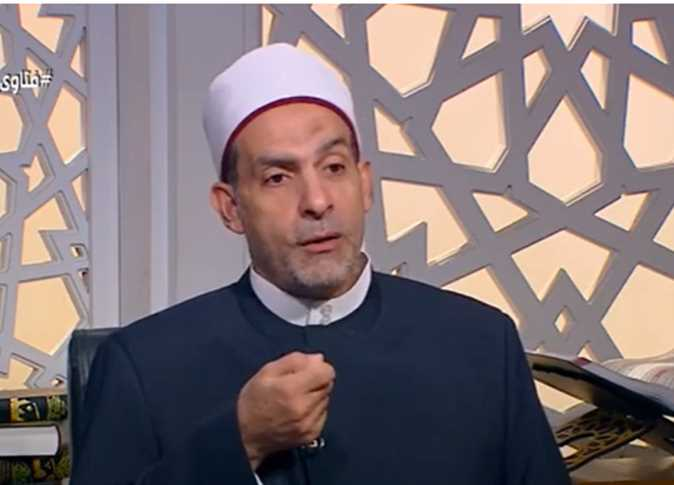

Many people seek to understand the difference between true religiosity and superficial religiosity. Faith is not measured merely by outward appearances; rather, it is reflected in a person's conduct, character, interactions with others, and their constant awareness of Allah in both public and private.
Another common question concerns the rulings related to death, particularly: Are heirs obligated to repay the debts of the deceased? This issue has been clarified by Egypt's Dar Al-Ifta.
How Can We Distinguish Between True and Superficial Religiosity?
Dr. Ali Fakhr, Secretary of Fatwa at Egypt's Dar Al-Ifta, explained that the primary criterion for distinguishing genuine religiosity from outward religiosity is being mindful of Allah Almighty, rather than merely caring about how one appears before other people.
He stated that a truly religious person constantly feels that Allah sees all of their actions. As a result, they perform acts of worship with sincerity, deal with people honestly and faithfully, and treat others with kindness solely to seek Allah's pleasure.
Signs of True Religiosity
Being Mindful of Allah in Public and Private
True religiosity is evident when a person remains obedient to Allah even when no one else is watching, because they know that Allah is fully aware of everything they do.
Sincerity in Worship
A sincere believer prays, gives charity, and performs righteous deeds seeking Allah's pleasure—not praise, admiration, or recognition from other people.
Good Character and Dealings with Others
Among the signs of genuine religiosity are good manners, kindness to one's parents, treating neighbors well, and being truthful in both speech and actions.
Dr. Ali Fakhr added that this type of religiosity remains consistent regardless of time, place, or company because it is rooted in consciousness of Allah rather than concern for people's opinions.
What Is Superficial Religiosity?
The Secretary of Fatwa explained that superficial religiosity focuses on maintaining a religious appearance before others, while a person's behavior may differ when they are away from people's eyes.
This form of religiosity is associated with showing off (riyā'), as its goal becomes seeking people's approval rather than sincerely seeking Allah Almighty.
Allah the Almighty says:
"They show themselves to the people and remember Allah only a little." (Qur'an 4:142)
Are Heirs Obligated to Pay the Debts of the Deceased?
Dr. Ali Fakhr, Secretary of Fatwa at Egypt's Dar Al-Ifta, explained that a deceased person's debts are considered obligations attached to the estate and must be settled before the inheritance is distributed among the heirs.
He clarified that the estate is first used to repay outstanding debts, regardless of whether those debts consume the entire estate or only part of it.
What Happens If the Debts Exceed the Estate?
If the deceased's debts are greater than the value of the estate, whatever can be paid is settled from the deceased's assets. If no assets remain afterward, there is nothing left to distribute among the heirs.
He further confirmed that the heirs are not Islamically obligated to pay any remaining debts from their own personal wealth, because the debt is attached to the deceased's financial responsibility rather than that of the heirs.
Can Heirs Voluntarily Pay the Deceased's Debts?
The Secretary of Fatwa explained that if heirs choose to pay the deceased's debts from their own money, it is considered an act of charity and righteousness, but it is not obligatory, especially if they are unable to do so.
He also noted that heirs may:
- Ask creditors to forgive the debt or waive part of it.
- Seek assistance from charitable individuals or organizations to help repay the debt.
- Give charity or distribute zakat in cases where the relevant Islamic conditions are met.
The Importance of Paying the Debts of the Deceased
Islam places great emphasis on fulfilling people's rights. For this reason, settling debts is one of the highest priorities before distributing an inheritance, ensuring that the rights of others are protected and relieving the deceased of outstanding obligations.
Helping those burdened with debt is also regarded as an act of cooperation, compassion, and social solidarity encouraged in Islam.
What is the difference between true religiosity and superficial religiosity?
True religiosity is based on sincerity and mindfulness of Allah in both public and private, while superficial religiosity focuses primarily on outward appearances before people.
Does a truly religious person care about other people's opinions?
A genuinely religious person seeks Allah's pleasure above all else and does not make people's opinions the standard by which they judge their actions.
Are heirs required to pay the deceased's debts?
No. The debts are first paid from the deceased's estate, and the heirs are not required to pay any remaining debts from their own personal wealth.
What happens if the estate is insufficient to cover all the debts?
The available estate is used to pay as much of the debt as possible, and the heirs are not compelled to cover the remaining balance.
Is there a reward for heirs who voluntarily pay the deceased's debts?
Yes. If the heirs voluntarily repay the debts from their own wealth, it is considered an act of charity, kindness, and righteousness.

Dr. Atiya Lashin, a member of Al-Azhar's Fatwa Committee, warned that pretending to be ill and obtaining fake medical certificates to receive leave or financial benefits is strictly prohibited in Islam.

Learn when the 2026 solar eclipse prayer begins, how to perform it according to the Sunnah, and why it is prescribed in Islam.

Egypt's Dar Al-Ifta has clarified that Muslims may rely on smartwatches and mobile applications to determine prayer times and Ramadan iftar, provided they are accurate and configured correctly.

Learn about Sayyid al-Istighfar, the greatest supplication for seeking Allah's forgiveness, its authentic wording, virtues, and the best times to recite it.
