Two Rak’ahs, Endless Reward: The Hidden Power of Fajr Sunnah

A deeper look into the immense value of two simple units of prayer that hold greater worth than the entire world.


  Tue , April 14 2026 / 02:20 PM Updated At: 2026-04-14 14:20:40

فضل ركعتي الفجر وسنن الصلاة في الإسلام

In the quiet stillness before dawn, when the night gently fades and the first light begins to appear, there is a simple yet deeply powerful act of worship—two light units of prayer with immense spiritual value.

Islamic teachings emphasize that performing the two units before the Fajr prayer is a confirmed Sunnah that the Prophet ﷺ consistently observed. He described them as being “better than the world and everything in it.”

These two units are more than just a routine—they are a moment of calm connection, setting a peaceful tone for the day ahead and offering a unique opportunity to draw closer to God.

Scholars also explain other Sunnah prayers, including the four units performed before Dhuhr. These are considered confirmed Sunnah but are not classified as night prayer or Duha prayer. Night prayer ends with Fajr, while Duha begins after sunrise.

Sunnah prayers are generally divided into two categories:

  • Confirmed Sunnah: A total of 12 daily units regularly practiced, including those associated with Fajr, Dhuhr, Maghrib, and Isha.
  • Non-confirmed Sunnah: Additional recommended prayers, such as those before Asr or before Maghrib and Isha.

Although these prayers are not obligatory, they carry great spiritual rewards and help make up for any shortcomings in obligatory prayers, making them highly valuable in a Muslim’s daily life.

Teachings also highlight that voluntary acts of worship bring a servant closer to God, leading to divine love and guidance in every aspect of life.

In just two simple units before dawn, there lies a profound opportunity—a quiet beginning filled with blessings, waiting for those who seek it.

For more details and the latest updates, follow Masr Connect.

Apr 16
حكم صلاة المريض غير المتحكم في البول وفتوى دار الإفتاء المصرية

Dar Al-Ifta clarified the Islamic ruling on how patients suffering from involuntary urine leakage can properly perform الصلاة, emphasizing ease and removal of hardship in Islamic law.
Apr 16
تحذير من التشويش على المصلي وحرمة إفساد خشوع الصلاة

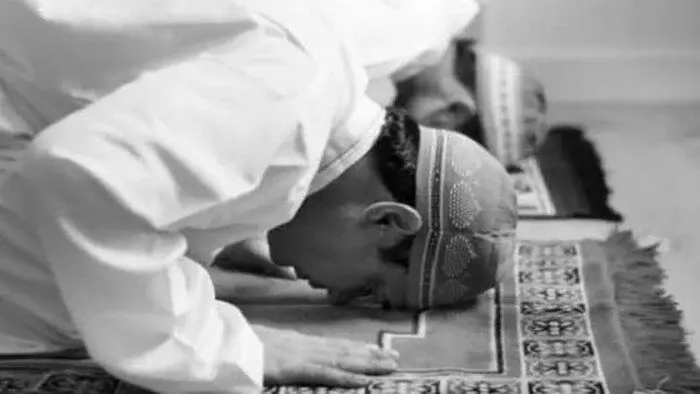
Islamic authorities warn against any behavior that distracts or disturbs a person during prayer, emphasizing the sacredness of salah and the severe sin of disrupting its spiritual focus.
Apr 16
حكم أداء الصلوات الخمس بوضوء واحد وفضل تجديد الوضوء

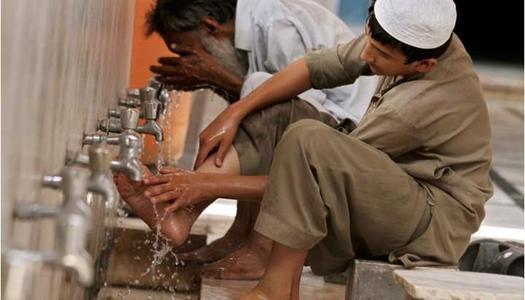
Many wonder whether one ablution is sufficient for all five daily prayers. Islamic scholars clarify the ruling, highlighting both permissibility and the prophetic preference for renewing wudu.
Apr 16
أذكار الصباح والمساء وحكم الخشوع والتدبر أثناء الذكر

Many people wonder whether mindfulness and deep reflection are required when reciting morning and evening adhkar, or if verbal repetition alone is sufficient. Islamic rulings clarify the balance between heart and tongue.
