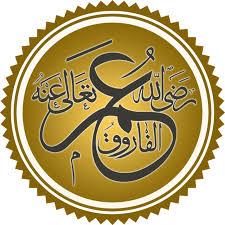

The conversion of Umar ibn Al-Khattab, may Allah be pleased with him, was one of the significant events in the early history of Islam. His acceptance of the faith had a notable effect on the Muslims in Makkah, particularly because of his strength, courage, and standing among Quraysh.
Historical reports differ regarding the exact order in which Umar accepted Islam in relation to the other early Muslims. The commonly cited view among historians of the Prophet’s biography is that he became Muslim in the sixth year of the Prophethood, when he was approximately twenty-six years old.
What Did the Prophet Say About Umar’s Conversion?
Reports from the Prophet Muhammad ﷺ mention a supplication asking Allah to strengthen Islam through the conversion of one of two prominent men, Umar ibn Al-Khattab or Amr ibn Hisham, known as Abu Jahl.
The reports appear with different wordings in hadith and biographical works. They reflect the importance that the conversion of a prominent Qurayshi figure could have for the Muslims at that difficult stage of the Makkah period.
Umar’s conversion subsequently became an important turning point in the public strength of the Muslim community.
How Did Umar ibn Al-Khattab Become Muslim?
The well-known account describes Umar as initially holding a strongly hostile position toward the Prophet Muhammad ﷺ and his message.
He eventually learned that his sister Fatimah bint Al-Khattab and her husband, Sa'id ibn Zayd, had accepted Islam.
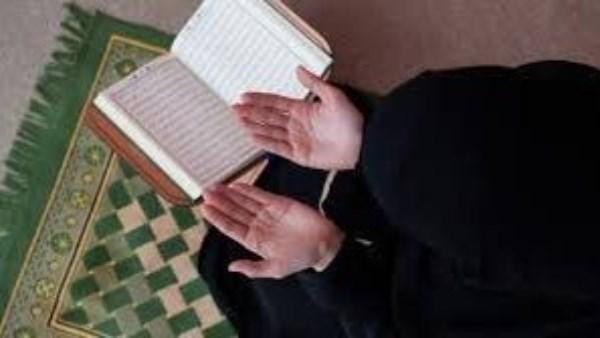
Umar went to their home and found them reading from a written page containing Quranic verses. The passage was from Surah Ta-Ha.
After reading the verses, Umar was deeply affected by their message. The traditional account describes the Quran as having made a profound impression on his heart.
He then asked where the Prophet Muhammad ﷺ was and learned that he was at the house of Al-Arqam ibn Abi Al-Arqam.
The Story of Umar, His Sister, and Her Husband
The conversion of Fatimah bint Al-Khattab and her husband was an important part of the story leading Umar toward Islam.
According to the traditional narration, Umar became angry after discovering their faith and initially confronted them. He then asked to see the page from which they had been reading.
After reading verses from Surah Ta-Ha, his attitude changed dramatically. The account describes him as recognizing the truth of the message and deciding to seek out the Prophet ﷺ.
He then went to Al-Arqam’s house to declare his acceptance of Islam.
Umar Accepts Islam at Al-Arqam’s House
When Umar arrived at Al-Arqam’s house, some of the companions were concerned because of his earlier opposition to Islam.
Hamzah ibn Abd al-Muttalib, however, supported opening the door. The Prophet ﷺ then came out to meet Umar.
Umar declared the testimony of faith and accepted Islam. The people inside the house proclaimed Allah’s greatness, and their voices could reportedly be heard in Makkah.
His conversion represented a major development for the early Muslim community.
Why Was Umar Called Al-Faruq?
Umar became widely known by the title Al-Faruq, commonly understood as “the one who distinguishes between truth and falsehood.”
Several reports discuss the origin of this title. Some narrations attribute the name to the Prophet Muhammad ﷺ, while other accounts connect it to Umar’s role in openly distinguishing the Muslim community from its opponents.
Because the reports differ in their details and chains, the various accounts should be distinguished rather than treated as identical in historical certainty.
What Happened to the Muslims After Umar’s Conversion?
Reports from the companions describe the Muslims as gaining greater confidence and strength after Umar accepted Islam.
Abdullah ibn Mas'ud, may Allah be pleased with him, is authentically reported to have said:
“We have remained strong since Umar accepted Islam.”
Other reports describe Umar’s conversion as a major opening for the Muslims and state that it enabled them to worship more openly.
The accounts emphasize the change that Umar’s presence brought to the public position of the early Muslim community.
Umar’s Public Declaration of Islam
Umar was among those who openly declared their Islam in Makkah. Rather than concealing his conversion, he became known for his willingness to make his faith public.
A report attributed to Ibn Abbas states that Umar was the first to proclaim Islam openly, and some scholars considered its chain of transmission good.
Suhaib, may Allah be pleased with him, also narrated an account describing how Islam became more visible after Umar’s conversion, with Muslims gathering around the Kaaba and performing tawaf openly.
Umar ibn Al-Khattab During the Prophet’s Lifetime
After accepting Islam, Umar remained close to the Prophet Muhammad ﷺ and participated in the major events and battles of the Muslim community.
He took part in the Battle of Badr and other major campaigns alongside the Prophet ﷺ. He became one of the most prominent companions and was frequently involved in important matters affecting the Muslim community.
The Prophet ﷺ also established a bond of brotherhood between Umar and another companion, although historical sources differ regarding the identity mentioned in some reports.
Umar ibn Al-Khattab’s Place in Islamic History
Umar became the second of the Rightly Guided Caliphs after Abu Bakr Al-Siddiq, may Allah be pleased with them both.
He ruled for approximately ten years and became one of the most influential figures in early Islamic history.
His life is associated with justice, firmness, administration, scholarship, and major developments in the Muslim state.
His journey from a strong opponent of Islam to one of its most prominent companions is one of the best-known stories in the biography of the early Muslims.
Lessons from Umar’s Conversion to Islam
The story of Umar’s conversion illustrates how a person’s position can change when confronted with a message that deeply affects the heart and intellect.
It also highlights the importance of the Quran in the early Muslim community. In the traditional account, verses from Surah Ta-Ha played a central role in changing Umar’s attitude toward Islam.
The story further demonstrates how the early Muslim community developed from a persecuted group in Makkah into a more publicly confident community, with Umar’s conversion becoming one of the significant moments in that transformation.
When did Umar ibn Al-Khattab accept Islam?
Umar ibn Al-Khattab accepted Islam in the sixth year of the Prophethood, according to the commonly cited view among historians of the Prophet’s biography. He was approximately twenty-six years old.
How did Umar ibn Al-Khattab become Muslim?
The well-known account says that he went to the home of his sister Fatimah and her husband Sa'id ibn Zayd and read Quranic verses from Surah Ta-Ha. The verses deeply affected him, leading him to seek the Prophet ﷺ and declare his Islam.
Who was Umar’s sister?
His sister was Fatimah bint Al-Khattab, who had accepted Islam together with her husband Sa'id ibn Zayd before Umar.
Why was Umar called Al-Faruq?
Umar became famous by the title Al-Faruq, commonly interpreted as one who distinguishes between truth and falsehood. Reports differ regarding the exact origin of the title.
What was the impact of Umar’s conversion?
Companion reports describe Umar’s conversion as a major source of strength for the Muslims and say that it enabled them to practice and proclaim their faith more openly in Makkah.