
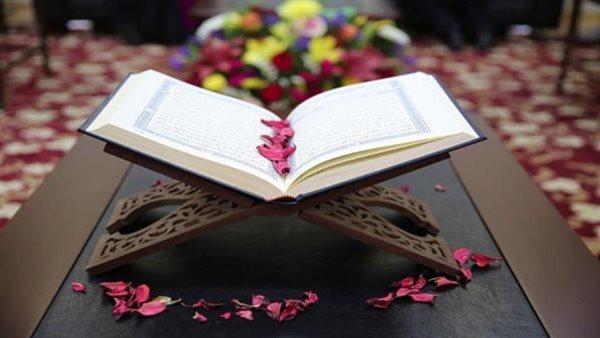

What is the virtue of reciting Ayat al-Kursi after prayer? Many Muslims are keen to recite this great Quranic verse after the obligatory prayers because of the profound meanings of monotheism, Allah’s perfect knowledge, power, and authority contained in it.
Questions about the virtue of Ayat al-Kursi after prayer, the proper time to recite it, and its reward are common among Muslims who want to follow the established acts of remembrance after the five daily prayers.
What Is the Virtue of Reciting Ayat al-Kursi After Prayer?
A well-known narration reports a great virtue for reciting Ayat al-Kursi after every obligatory prayer. Abu Umamah, may Allah be pleased with him, reported that the Messenger of Allah, peace and blessings be upon him, said:
“Whoever recites Ayat al-Kursi after every prescribed prayer, nothing prevents him from entering Paradise except death.”
This narration highlights the great virtue of maintaining the recitation of Ayat al-Kursi after the obligatory prayers.
When Should Ayat al-Kursi Be Recited After Prayer?
Ayat al-Kursi is recited after the obligatory prayer, as part of the remembrance following the prayer.
A Muslim may recite it after each of the five daily prayers while reflecting on its meanings and turning the heart toward Allah.
What Is Ayat al-Kursi?
Ayat al-Kursi is verse 255 of Surah Al-Baqarah. It is regarded as one of the greatest verses in the Quran because it contains profound meanings concerning Allah’s oneness, names, attributes, knowledge, power, and absolute authority.
The Full Text of Ayat al-Kursi
Allah says:
“Allah! There is no deity except Him, the Ever-Living, the Sustainer of all. Neither drowsiness overtakes Him nor sleep. To Him belongs whatever is in the heavens and whatever is on the earth. Who is it that can intercede with Him except by His permission? He knows what is before them and what is behind them, and they encompass nothing of His knowledge except what He wills. His Kursi extends over the heavens and the earth, and their preservation does not tire Him. And He is the Most High, the Most Great.”
[Al-Baqarah: 255]
Why Is Ayat al-Kursi One of the Greatest Verses in the Quran?
Ayat al-Kursi contains some of the greatest meanings of Islamic monotheism. It affirms that Allah alone is worthy of worship and describes Him as the Ever-Living and the Sustainer of all creation.
It also establishes His perfect knowledge and power and confirms that His dominion encompasses the heavens and the earth.
Meaning of “Allah! There Is No Deity Except Him”
The verse begins by affirming the absolute oneness of Allah. He alone is worthy of worship, and no one shares His divinity.
Meaning of “The Ever-Living, the Sustainer of All”
Allah is Al-Hayy, the Ever-Living who never dies, and Al-Qayyum, the One who sustains Himself and all creation.
Meaning of “Neither Drowsiness Overtakes Him Nor Sleep”
This part of the verse affirms Allah’s perfect life and complete care of His creation. He does not become weary, sleep, or overlook anything.
Meaning of “To Him Belongs Whatever Is in the Heavens and the Earth”
Everything in the heavens and the earth belongs to Allah and is under His ownership and authority.
Meaning of “Who Is It That Can Intercede With Him Except by His Permission?”
No one can intercede before Allah except with His permission. Intercession is completely subject to His will and authority.
Meaning of “He Knows What Is Before Them and What Is Behind Them”
Allah’s knowledge encompasses His creation. Nothing from their past, present, or future is hidden from Him.
Meaning of “They Encompass Nothing of His Knowledge Except What He Wills”
Human beings possess only the knowledge Allah allows them to possess. No one can encompass His knowledge independently.
Meaning of “His Kursi Extends Over the Heavens and the Earth”
This phrase indicates the greatness and vastness of Allah’s Kursi. Islamic texts mention the immense scale of the Kursi in relation to the heavens and earth.
Meaning of “Their Preservation Does Not Tire Him”
Preserving the heavens, the earth, and everything within them does not burden Allah. His power is perfect, and nothing is difficult for Him.
Meaning of “He Is the Most High, the Most Great”
The verse concludes by affirming Allah’s absolute greatness and exaltedness. He is the Most High and the Most Great.
Is Ayat al-Kursi Recited After Every Prayer?
Yes. The narration about reciting Ayat al-Kursi after every prescribed prayer is why many Muslims make it part of their regular post-prayer remembrance.
Reciting it after the five daily prayers is a well-known practice associated with the remembrance following obligatory prayer.
Does Ayat al-Kursi Protect From Satan?
Ayat al-Kursi has a well-known virtue concerning protection. Another authentic narration mentions its recitation before sleeping, stating that whoever recites it at night will have protection from Allah and that Satan will not approach him until morning.
For this reason, Ayat al-Kursi is among the Quranic verses widely recited for remembrance and protection.
Is There an Established Reason for the Revelation of Ayat al-Kursi?
There is no sound, well-established narration proving the commonly circulated story that the verse was revealed following a question about whether Allah sleeps, including the story involving Moses, peace be upon him, and two vessels.
Such reports should therefore be distinguished from narrations established through reliable chains.
What is firmly established is that Ayat al-Kursi is verse 255 of Surah Al-Baqarah and contains some of the most profound statements about Allah’s oneness and perfect attributes.
What Is the Reward for Reciting Ayat al-Kursi After the Five Daily Prayers?
Maintaining the recitation of Ayat al-Kursi after the obligatory prayers is a virtuous act. The reported narration states that nothing stands between the person who recites it after every prescribed prayer and Paradise except death.
This highlights its importance among the acts of remembrance following prayer.
The Importance of Ayat al-Kursi in a Muslim’s Life
The importance of Ayat al-Kursi is not limited to reciting it after prayer. Its meanings encourage believers to reflect on Allah’s absolute power, knowledge, ownership, and perfect protection.
It is also authentically reported that Ayat al-Kursi may be recited before sleeping, making it an important part of the daily remembrance of many Muslims.
What is the virtue of reciting Ayat al-Kursi after prayer?
A narration states that whoever recites Ayat al-Kursi after every prescribed prayer, nothing prevents him from entering Paradise except death.
When should Ayat al-Kursi be recited after prayer?
It is recited after the obligatory prayer, as part of the remembrance following the prayer.
Which verse is Ayat al-Kursi?
Ayat al-Kursi is verse 255 of Surah Al-Baqarah.
Should Ayat al-Kursi be recited after the five daily prayers?
Yes. The reported narration mentions reciting it after every prescribed prayer.
Is there an authentic specific reason for the revelation of Ayat al-Kursi?
The commonly circulated stories about its specific cause of revelation are not established by a sound chain. What is established is that it is verse 255 of Surah Al-Baqarah and one of the greatest verses describing Allah’s perfection.




