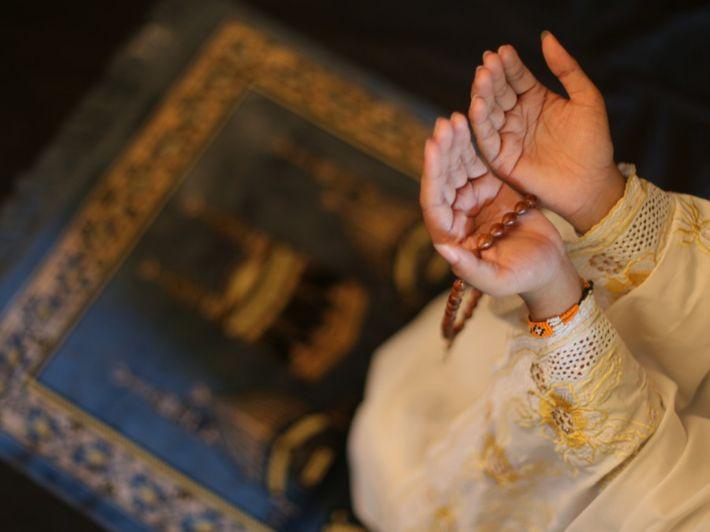

Sending blessings and peace upon Prophet Muhammad ﷺ is one of the great forms of remembrance encouraged in Islam. Allah says:
“Indeed, Allah and His angels send blessings upon the Prophet. O you who believe, send blessings upon him and salutations of peace.” [Qur’an 33:56]
Muslims often ask about the virtues of sending blessings upon the Prophet, the best formula to use, and whether it is permissible to repeat them while performing everyday activities such as cooking.
Is It Permissible to Send Blessings Upon the Prophet While Cooking?
Yes. A Muslim may remember Allah and send blessings upon Prophet Muhammad ﷺ while performing permissible everyday activities, including preparing and cooking food, provided that the remembrance does not cause the person to neglect an obligatory duty.
Dhikr, or remembrance of Allah, can be practiced during many ordinary activities. Therefore, sending blessings upon the Prophet while cooking is permissible.
Virtues of Sending Blessings Upon the Prophet ﷺ
The Sunnah contains numerous texts encouraging Muslims to send blessings upon the Prophet ﷺ.
The Prophet ﷺ said:
“Whoever sends blessings upon me once, Allah sends blessings upon him tenfold.” Narrated by Muslim.
The Prophet ﷺ also encouraged Muslims to increase their blessings upon him on Friday, saying:
“So send abundant blessings upon me on that day, for your blessings will be presented to me.”
These narrations demonstrate the virtue of making salawat upon the Prophet ﷺ part of one's regular remembrance.
The Hadith of Ubayy ibn Ka'b
Ubayy ibn Ka'b رضي الله عنه told the Prophet ﷺ that he frequently sent blessings upon him and asked how much of his supplication should be devoted to doing so.
The Prophet ﷺ replied that he could choose as much as he wished and encouraged him to increase it.
Ubayy eventually asked whether he should make all of his supplication blessings upon the Prophet ﷺ. The Prophet ﷺ replied:
“Then your concerns will be taken care of and your sins will be forgiven.”
The narration was reported by al-Tirmidhi and highlights the virtue attributed to abundant salawat.
What Is the Best Formula for Sending Blessings Upon the Prophet?
Among the most authentic and established formulas is Salat Ibrahimiyyah, the prayer recited during the final sitting of Salah:
“O Allah, send Your blessings upon Muhammad and the family of Muhammad, as You sent blessings upon Ibrahim and the family of Ibrahim. Indeed, You are Praiseworthy and Glorious. O Allah, bless Muhammad and the family of Muhammad, as You blessed Ibrahim and the family of Ibrahim. Indeed, You are Praiseworthy and Glorious.”
A Muslim may also say:
“Allahumma salli wa sallim wa barik 'ala Muhammad”
meaning: “O Allah, send blessings, peace, and blessings upon Muhammad.”
The important point is to use authentic formulas whenever possible and not attribute an unsupported formula or special virtue to the Prophet ﷺ.
Sending Blessings Upon the Prophet and Relief From Distress
Scholars have highlighted the spiritual value of frequently sending blessings upon Prophet Muhammad ﷺ and combining salawat with supplication, repentance and remembrance of Allah.
The hadith of Ubayy ibn Ka'b رضي الله عنه is among the well-known narrations cited regarding relief from worries and forgiveness.
However, Muslims should combine salawat with other forms of worship and should not claim that a particular number or formula guarantees the fulfillment of a specific request unless there is authentic evidence for that claim.
What Is the So-Called “Nariya” Prayer?
A formula commonly known as Salat al-Nariya or Salat al-Tafrijiyyah is widely circulated among Muslims. It contains blessings upon the Prophet ﷺ and supplications for relief and ease.
However, it should not be presented as a prophetic hadith or an established Sunnah of the Prophet ﷺ without reliable evidence. Likewise, assigning a specific number, such as 4,444 repetitions, a special religious virtue requires authentic evidence.
The general practice of sending blessings upon the Prophet ﷺ, however, is firmly established in the Qur’an and Sunnah.
Sending Blessings Upon the Prophet on Friday
Friday is one of the most virtuous days in Islam, and the Prophet ﷺ specifically encouraged Muslims to increase their salawat upon him on that day.
He ﷺ said:
“Friday is among the best of your days, so send abundant blessings upon me on it, for your blessings will be presented to me.”
Therefore, Friday is an excellent opportunity to increase salawat, alongside supplication, Qur’an recitation and other acts of worship.
Can Sending Blessings Upon the Prophet Be a Cause of Forgiveness?
The hadith of Ubayy ibn Ka'b رضي الله عنه mentions that the Prophet ﷺ told him that dedicating his supplication to abundant blessings upon him would result in his concerns being taken care of and his sins being forgiven.
Sending blessings upon the Prophet ﷺ is itself a rewarded act of worship, but Muslims should also maintain prayer, repentance, seeking forgiveness and other obligatory and recommended acts of worship.
Conclusion
Sending blessings and peace upon Prophet Muhammad ﷺ is a virtuous act of worship encouraged by the Qur’an and Sunnah. It is permissible to say salawat while performing permissible daily activities, including cooking, working, walking or waiting.
Among the best established formulas is Salat Ibrahimiyyah, while Muslims are encouraged to increase their salawat, especially on Friday.
Can I send blessings upon the Prophet while cooking?
Yes. It is permissible to say salawat while cooking and during other permissible daily activities.
What is the best formula for salawat?
One of the most authentic formulas is Salat Ibrahimiyyah, which is recited during the prayer.
Does sending blessings upon the Prophet forgive sins?
A hadith narrated by Ubayy ibn Ka'b mentions relief from worries and forgiveness of sins in connection with abundant salawat.
Should I increase salawat on Friday?
Yes. The Prophet ﷺ specifically encouraged Muslims to send abundant blessings upon him on Friday.
Is Salat al-Nariya an authentic Sunnah?
It should not be described as a prophetic hadith or established Sunnah without authentic evidence. The general practice of sending blessings upon the Prophet ﷺ is, however, firmly established.