
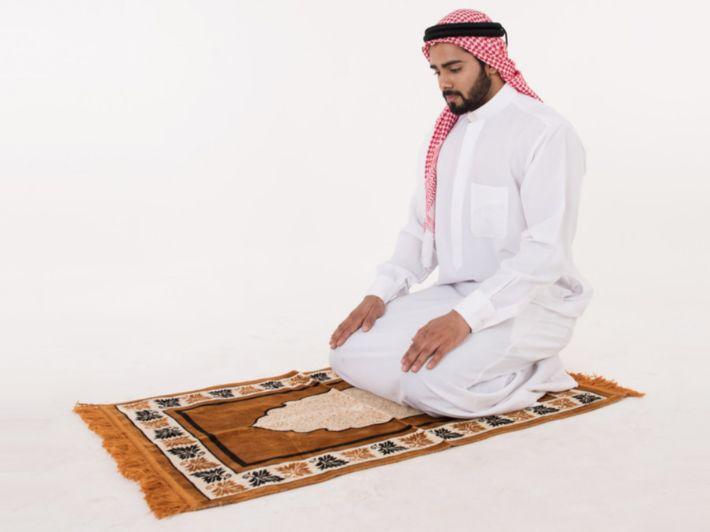

The Egyptian Fatwa Authority clarified that voluntary prayers (nawafil) do not generally replace missed obligatory prayers. Dr. Mohamed Abdel-Samee’, the Fatwa official, emphasized that a Muslim should prioritize making up missed prayers, whether missed for a day, month, or longer. Prayer is considered a debt owed to God and must be fulfilled either at their designated times or through consecutive prayers to compensate for what was missed.
Some jurists have allowed voluntary prayers to complete deficiencies in obligatory prayers, citing a hadith in which the Prophet ﷺ said the first action to be judged on the Day of Resurrection is prayer; if it is sound, the person succeeds, and if a deficiency exists in the obligatory prayer, voluntary acts may fill the gap. However, the majority of scholars clarified that the deficiency refers to shortcomings in concentration, devotion, or the number of units, not the complete omission of prayer.
Practical steps for making up missed prayers include seeking forgiveness, sincere intention, performing current obligatory prayers first, and gradually compensating missed obligations while temporarily postponing non-obligatory prayers. Prayer remains a vital daily connection between the believer and God, uplifting the soul and enhancing spiritual closeness.




