
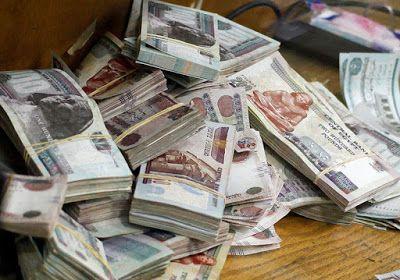

As wedding seasons approach, questions arise again: Is the money saved to prepare the marital home subject to zakat if it reaches the nisab (minimum threshold)?
Dr. Atiya Lasheen, a member of Al-Azhar’s Fatwa Committee, explained that zakat is a fundamental pillar of Islam and is not waived simply because the money is allocated for a future purpose, as long as the conditions for its obligation are fulfilled.
When Is Zakat Due on Saved Money?
There are specific conditions for zakat to become obligatory, most notably:
1. Reaching the Nisab (Minimum Threshold)
This is equivalent to the value of:
-
85 grams of gold, or
-
595 grams of silver.
2. Completion of One Lunar Year
If the money reaches the nisab and a full Hijri (lunar) year passes while it remains in the owner’s possession, zakat becomes due.
Zakat Rate:
Zakat on money = 2.5%
3. Being Surplus to Basic Needs
The money must exceed the essential living expenses of the person and those they are religiously obligated to support.
4. Settling Debts First
If the person has an immediate debt due for repayment, it should be deducted from the total amount. Then:
-
If the remaining balance still reaches the nisab and a year has passed → zakat is due.
-
If it falls below the nisab → no zakat is due.
The Difference Between Immediate and Future Needs
Dr. Lasheen clarified that needs are of two types:
-
Immediate Need: An obligation that must be paid at the time of giving zakat. This takes priority over zakat.
-
Future Need: Such as saving for marriage, building a home, or starting a business. According to the majority of scholars (Malikis, Shafi'is, Hanbalis, and some Hanafis), this does not prevent zakat from being obligatory if its conditions are met.
He stressed that prioritizing the current need of the poor is more important than delaying their right due to future plans; otherwise, the pillar of zakat would effectively be suspended.
Accordingly, money saved for wedding preparations is subject to zakat if it reaches the nisab, a full lunar year has passed, and it remains surplus to immediate needs and outstanding debts.
For more details and the latest news, follow Egypt Connect.




