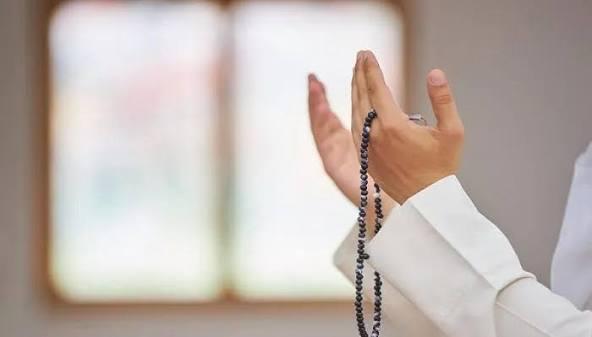

Wake-up adhkar are supplications and words of remembrance reported from the Prophet Muhammad, peace and blessings be upon him, which Muslims are encouraged to say after waking from sleep.
These words express gratitude to Allah for restoring life after sleep and remind the believer of Allah’s blessings and the importance of remembering Him from the beginning of the day.
What Should You Say When You Wake Up?
One of the most well-known prophetic supplications for waking up is:
“Praise be to Allah who has given us life after causing us to die, and to Him is the resurrection.”
This remembrance acknowledges Allah’s blessing of life and reminds the believer that everyone will ultimately return to Him.
Supplication for Health and the Return of the Soul
Another reported remembrance says:
“Praise be to Allah who restored health to my body, returned my soul to me, and allowed me to remember Him.”
Through this supplication, the believer praises Allah for physical well-being, the return of the soul after sleep, and the ability to remember and worship Him.
Wake-Up Dhikr of Tawhid, Praise, and Forgiveness
Another remembrance reported for waking includes:
“There is no god but Allah alone, without partner. To Him belongs the dominion and to Him belongs all praise, and He is capable of all things. Glory be to Allah, praise be to Allah, there is no god but Allah, Allah is the Greatest, and there is no power or strength except through Allah, the Most High, the Most Great. My Lord, forgive me.”
This remembrance combines affirmation of Allah’s oneness with praise, glorification, declaring Allah’s greatness, seeking His help, and asking for forgiveness.
Adhkar When Waking During the Night
When a person wakes during the night, it is also reported that the final ten verses of Surah Al Imran may be recited, beginning with the verse:
“Indeed, in the creation of the heavens and the earth and the alternation of night and day are signs for those of understanding.”
These verses encourage reflection on the creation of the heavens and earth, the alternation of night and day, and the qualities of those who remember Allah and contemplate His signs.
The Importance of Wake-Up Adhkar
Wake-up adhkar carry important meanings of gratitude, monotheism, glorification, and seeking forgiveness. They help the believer begin the day with remembrance of Allah rather than heedlessness.
Maintaining prophetic adhkar also connects Muslims with the Sunnah of the Prophet and encourages them to remain conscious of Allah’s blessings throughout their daily lives.
Gratitude for the Blessing of Life
The words “Praise be to Allah who has given us life after causing us to die” remind the believer of the blessing of waking and being granted another day.
Renewing Faith in Allah’s Oneness
The remembrance includes declarations that Allah alone possesses dominion and deserves praise, reinforcing the meaning of Tawhid.
Seeking Forgiveness
One of the wake-up remembrances concludes with a request for forgiveness, reminding the believer of the constant need for Allah’s mercy and pardon.
How Can You Maintain Wake-Up Adhkar?
A Muslim can make wake-up adhkar a consistent part of the daily routine by beginning the day with praise and remembrance of Allah immediately after waking.
The supplications are generally brief and easy to memorize. With regular practice, they can become a simple and meaningful daily habit.
Summary of Wake-Up Adhkar
Among the most well-known wake-up remembrances is: “Praise be to Allah who has given us life after causing us to die, and to Him is the resurrection.”
Other reported adhkar include praising Allah for health and the return of the soul, as well as remembrance containing Tawhid, glorification, praise, declaring Allah’s greatness, and seeking forgiveness.
For someone who wakes during the night, the reported practices also include reciting the final ten verses of Surah Al Imran, beginning with “Indeed, in the creation of the heavens and the earth…”
What is the most well-known dhikr for waking up?
One of the most well-known is: “Praise be to Allah who has given us life after causing us to die, and to Him is the resurrection.”
What should I say immediately after waking?
You can say the prophetic supplication beginning with praise to Allah for giving life after sleep.
Are there specific adhkar for waking during the night?
Yes. Reported practices include certain remembrance and seeking forgiveness, as well as reciting the final ten verses of Surah Al Imran.
Are wake-up adhkar part of the Sunnah?
Yes. Several remembrances have been reported from the Prophet Muhammad, peace and blessings be upon him, for waking from sleep.