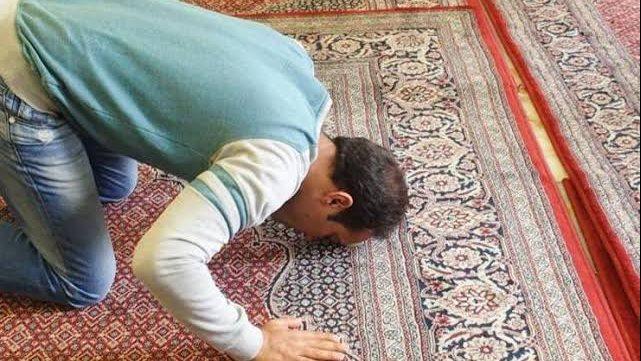

Many people search for an answer to the question, what causes limited provision and excessive debt? Provision is among the essential needs people pursue throughout their lives. It does not refer only to money, but can also include health, children, well-being, stability, and other blessings.
A person may sometimes experience financial hardship or accumulating debt and begin looking for the reasons and ways to overcome the situation. Islamic guidance combines trust in Allah with seeking forgiveness and making dua, while also emphasizing work and taking lawful practical measures.
What Causes Limited Provision and Excessive Debt?
There is no single explanation for every case of limited provision. Financial hardship may be a test from Allah, while practical circumstances such as poor financial management, excessive spending, or accumulating obligations can also contribute to financial difficulties.
Excessive Spending and Poor Money Management
Overspending and failing to organize expenses can lead to increasing financial pressure, particularly when spending exceeds available income.
Repeated borrowing without a clear repayment plan can also cause debts to accumulate and make financial difficulties more serious.
Neglecting Religious Duties
A Muslim should review their relationship with Allah, seek forgiveness, repent, and remain committed to acts of worship. However, it should not be assumed that every person experiencing financial hardship is suffering because of a particular sin.
Financial hardship may be a test, and its wisdom may not always be known to the individual.
Can Seeking Forgiveness Bring Greater Provision?
Seeking forgiveness is strongly encouraged in the Quran, where Allah mentions forgiveness alongside blessings and provision.
Allah says:
“Ask forgiveness of your Lord; indeed, He is ever Forgiving. He will send rain upon you in abundance, give you wealth and children, and provide you with gardens and rivers.”
For this reason, Muslims are encouraged to practice istighfar while continuing to seek lawful income and take practical steps.
What Actions Can Help Increase Provision?
Several actions are encouraged as part of seeking Allah’s pleasure and blessing.
Taqwa
Allah says:
“Whoever is mindful of Allah, He will make a way out for them and provide for them from sources they could never imagine.”
The verse emphasizes the importance of taqwa and trust in Allah while continuing to work and pursue lawful means.
Maintaining Family Ties
Islam encourages maintaining family relationships and treating relatives well.
This includes checking on relatives, visiting them, helping them, and showing kindness according to one’s ability.
Charity
Charity is an important act of goodness that combines worship with helping others. Muslims give charity seeking Allah’s pleasure and blessing.
Seeking Lawful Income
One of the practical ways to overcome financial hardship is to work and earn through lawful means, develop useful skills, and seek legitimate opportunities to improve income.
How Can Someone Deal With Excessive Debt?
Managing debt requires both supplication and practical action. One important step is to organize financial obligations and create a realistic repayment plan.
List All Debts
Begin by identifying the total amount of debt, repayment dates, and priorities. This makes financial obligations easier to manage.
Reduce Unnecessary Expenses
Reducing unnecessary spending can free part of the available income and direct it toward debt repayment.
Increase Income Sources
A person may seek additional work or develop skills that can increase income, provided the source of income is lawful.
What Is the Dua for Debt and Relief?
Among the supplications reported from the Prophet Muhammad, peace and blessings be upon him, is:
“O Allah, I seek refuge in You from worry and grief, weakness and laziness, miserliness and cowardice, the burden of debt, and being overcome by others.”
Another supplication is:
“O Allah, suffice me with what You have made lawful instead of what You have made unlawful, and enrich me through Your grace so that I need no one besides You.”
A Muslim may also ask Allah for whatever is good in this life and the Hereafter, including increased lawful provision, repayment of debt, and relief from distress.
Does Limited Provision Mean Allah Is Angry?
Limited provision by itself is not proof that Allah is angry with a person. Poverty or financial hardship may be a test through which Allah tests His servants.
A person may experience difficult financial circumstances despite being righteous and committed to their faith. Therefore, a person’s relationship with Allah should not be judged solely by their financial situation.
Conclusion
The question of what causes limited provision and excessive debt involves both spiritual and practical considerations.
A Muslim should place their trust in Allah, seek forgiveness, make dua, maintain family ties, give charity, and pursue righteousness.
At the same time, they should manage their finances responsibly, avoid excessive spending, seek lawful income, and establish a clear plan for repaying debt.
A believer takes the available means while remaining confident that provision ultimately belongs to Allah.