What do those who seek forgiveness gain in this life?
Seeking forgiveness is a key to relief, blessings, and expanded provision according to Islamic teachings.

In moments of hardship, seeking forgiveness becomes a gateway to relief and divine mercy, carrying promises of provision, ease, and spiritual tranquility for those who sincerely persist in it.
Divine promise of provision
The Qur’an highlights that seeking forgiveness brings rain, wealth, children, and blessings, reflecting a deep connection between repentance and worldly ease.
A key to relief
Forgiveness in Islam is more than words; it is a heartfelt state of repentance that opens doors of relief and removes distress.
Traditions from early scholars
Early righteous figures used powerful supplications of forgiveness that combined humility, repentance, and hope in God’s mercy.
Real-life impact
Many narratives show how consistent seeking of forgiveness has transformed hardship into ease and struggle into relief.
The master supplication
“Sayyid al-Istighfar” is considered one of the most comprehensive forms of seeking forgiveness, expressing full reliance on God and repentance.
Conclusion
Ultimately, seeking forgiveness is a path to inner peace before it is a means of worldly gain, connecting the heart to divine mercy.
For more details and latest news, follow Misr Connect
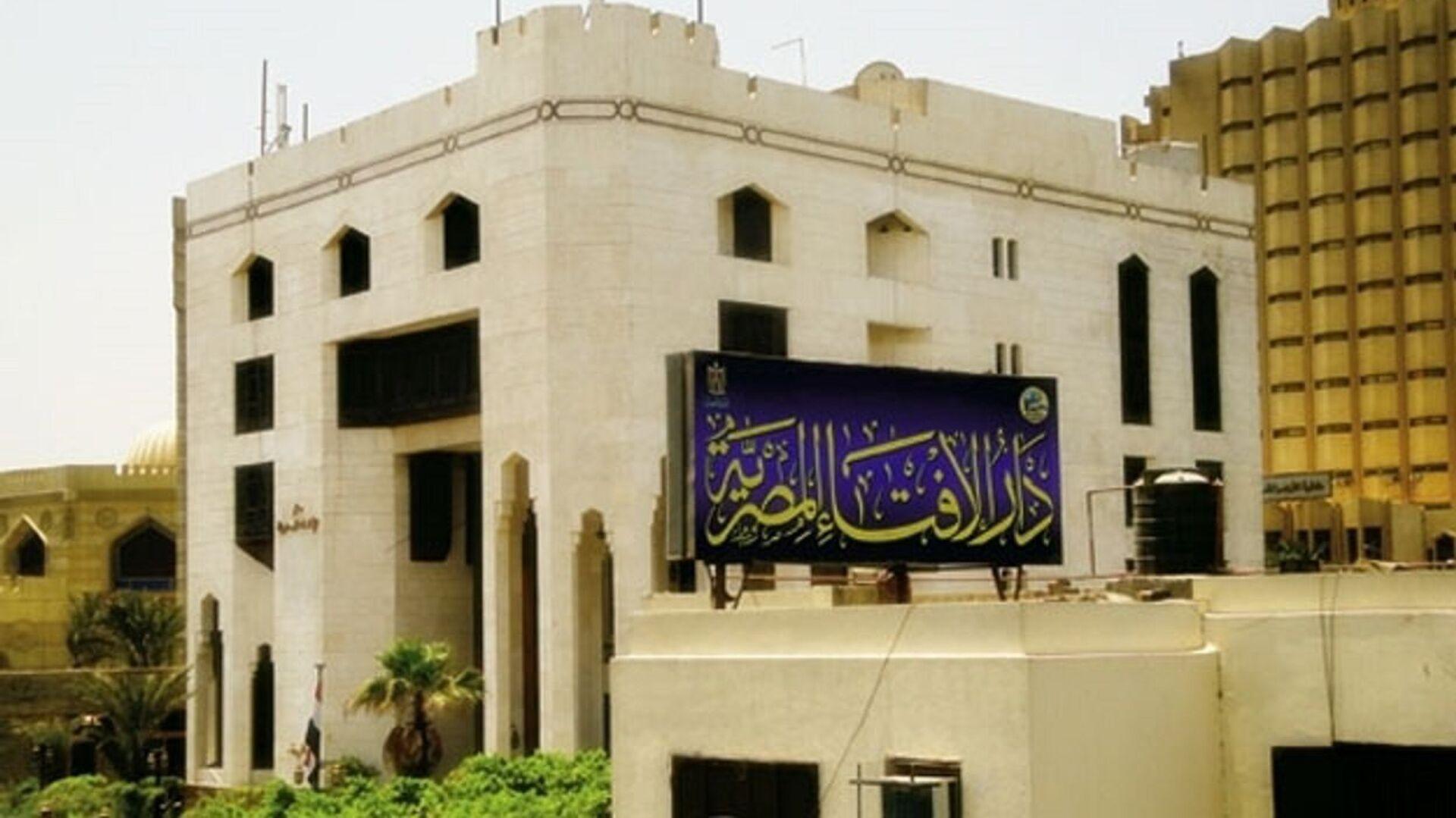
Dar Al-Ifta explains that making up missed fasting days due to menstruation is obligatory for women, with flexibility in timing as long as it is completed before the next Ramadan.

With the arrival of Dhu al-Qi’dah 1447, Muslims turn to supplication and remembrance, embracing one of the sacred months filled with mercy, blessings, and spiritual peace.

Egypt’s Dar al-Ifta explains the Islamic ruling regarding the relationship between a husband and his wife’s sister during marriage.

With the beginning of Dhu al-Qi’dah, many seek special supplications believed to bring relief, peace of heart, and spiritual comfort.
