
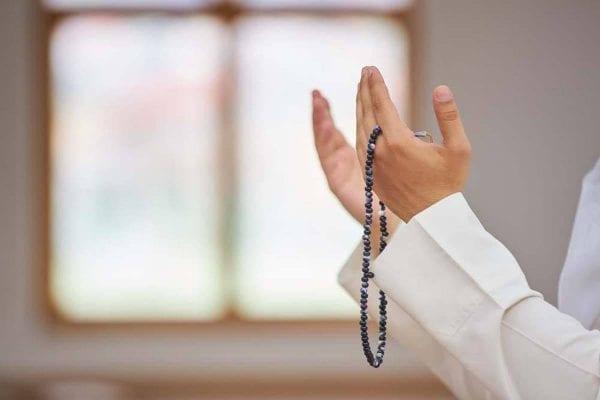

What dua forgives all your sins? This is a question many Muslims ask when seeking forgiveness and sincere repentance to Allah. The Sunnah contains several powerful supplications and forms of remembrance for seeking forgiveness, and among the greatest is Sayyid al-Istighfar, the master supplication for seeking forgiveness.
Sayyid al-Istighfar combines belief in the oneness of Allah, acknowledgment of His blessings, recognition of one's sins, and a sincere request for forgiveness.
The Prophet Muhammad, peace and blessings be upon him, explained the great virtue of this supplication. Whoever says it during the day with certainty and dies before evening, or says it at night with certainty and dies before morning, is among the people of Paradise.
What Is Sayyid al-Istighfar?
Sayyid al-Istighfar, meaning "the master of seeking forgiveness," is one of the greatest supplications for repentance and forgiveness reported from the Prophet Muhammad, peace and blessings be upon him.
The Complete Text of Sayyid al-Istighfar
“O Allah, You are my Lord. There is no deity worthy of worship except You. You created me, and I am Your servant. I uphold Your covenant and promise as best I can. I seek refuge in You from the evil of what I have done. I acknowledge Your blessings upon me, and I acknowledge my sin. So forgive me, for none can forgive sins except You.”
What Is the Virtue of Sayyid al-Istighfar?
The virtue of Sayyid al-Istighfar is immense. The Prophet Muhammad, peace and blessings be upon him, said that whoever recites it during the day with certainty and dies before evening is among the people of Paradise, and whoever recites it at night with certainty and dies before morning is among the people of Paradise.
This demonstrates the great status of seeking forgiveness and sincerely turning back to Allah.
Why Is It Called the Master of Seeking Forgiveness?
It is called Sayyid al-Istighfar because it contains comprehensive meanings of repentance and seeking forgiveness. It begins with affirming Allah's lordship and oneness, then acknowledging servitude, blessings, and personal shortcomings before asking Allah for forgiveness.
What Does Sayyid al-Istighfar Mean?
The supplication carries profound spiritual meanings. It begins with the acknowledgment that Allah alone is the Lord and that there is no deity worthy of worship except Him.
The servant then acknowledges that Allah created him and that he belongs to Him as a servant. He recognizes Allah's blessings, admits his sins and shortcomings, and turns to Allah alone for forgiveness.
Does Sayyid al-Istighfar Forgive All Sins?
Sayyid al-Istighfar is among the greatest means of seeking forgiveness, and its virtue is firmly established in the Sunnah. However, sincere repentance requires a genuine return to Allah.
Repentance is not merely words spoken by the tongue. It includes regretting the sin, abandoning it, and sincerely resolving not to return to it.
When a sin involves another person's rights, seeking forgiveness from Allah alone does not remove those rights. The person's right must be returned or forgiveness sought according to the circumstances.
What Dua Forgives Sins Even If They Are Like the Foam of the Sea?
Another highly virtuous remembrance reported in the Sunnah is:
“Subhan Allah wa bihamdih” — “Glory be to Allah and praise be to Him” — one hundred times a day.
A hadith states that whoever says this remembrance one hundred times in a day will have his sins forgiven, even if they are like the foam of the sea.
What Is the Virtue of Saying Subhan Allah wa bihamdih?
This remembrance combines glorifying Allah and praising Him. It is among the powerful forms of dhikr that encourage the Muslim to remember Allah frequently and seek His mercy and forgiveness.
What Is the Best Dua for Repentance and Forgiveness?
Sayyid al-Istighfar is among the greatest supplications for seeking forgiveness because it combines recognition of Allah's blessings, acknowledgment of one's sins, and a request for forgiveness.
A Muslim may also frequently say:
“I seek forgiveness from Allah and repent to Him.”
The important principle is that remembrance and supplication should be accompanied by sincerity and a genuine return to Allah.
When Should Sayyid al-Istighfar Be Recited?
Sayyid al-Istighfar is recited in the morning and evening, and the hadith specifically mentions the virtue of saying it during the day or night with certainty.
Seeking forgiveness is not restricted to a single time. A Muslim may remember Allah and ask for forgiveness throughout the day.
Can Sayyid al-Istighfar Be Recited Before Sleeping?
Yes. Sayyid al-Istighfar can be recited at night, and the prophetic narration specifically mentions the great virtue of saying it at night with certainty.
Is There One Dua That Immediately Forgives Every Sin?
Supplications for forgiveness should not be understood as words that guarantee forgiveness without sincere repentance. Allah forgives those who sincerely repent and return to Him.
Therefore, the Muslim combines supplication and istighfar with sincere repentance, abandoning the sin, and returning to Allah.
What Is the Best Dhikr for Forgiveness of Sins?
Among the greatest forms of remembrance related to forgiveness is Sayyid al-Istighfar, along with saying “Subhan Allah wa bihamdih” one hundred times because of the virtue reported for this remembrance.
The essential matter is sincerity, faith, and a genuine return to Allah whenever a person falls into sin or shortcomings.
What dua forgives all your sins?
One of the greatest supplications reported in the Sunnah is Sayyid al-Istighfar, which carries a tremendous virtue when recited with certainty and sincerity.
What is the full Sayyid al-Istighfar?
It begins: “O Allah, You are my Lord. There is no deity worthy of worship except You. You created me, and I am Your servant…” and ends with: “So forgive me, for none can forgive sins except You.”
What dhikr forgives sins even if they are like the foam of the sea?
The Prophet's Sunnah mentions the virtue of saying “Subhan Allah wa bihamdih” one hundred times a day, with forgiveness of sins even if they are like the foam of the sea.
When should Sayyid al-Istighfar be recited?
It is recited in the morning and evening, and it may also be recited at other times of the day and night.
Is istighfar alone enough for repentance?
Istighfar is one of the means of forgiveness, while sincere repentance includes regret for the sin, abandoning it, resolving not to return to it, and restoring people's rights when applicable.




