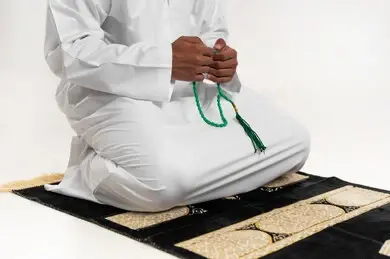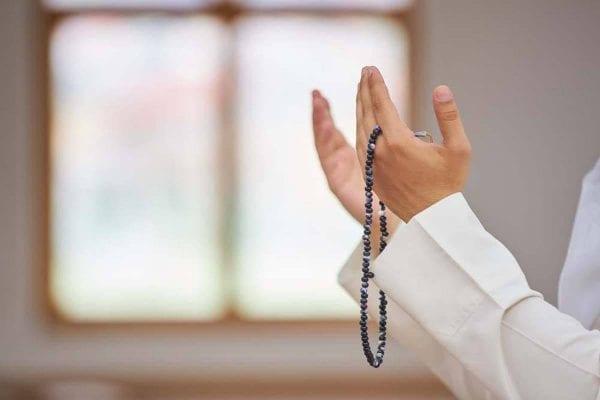

Many people ask: What dua is answered quickly? There is no single supplication established in authentic Sunnah as being answered immediately in every circumstance. However, there are powerful supplications, times, and circumstances in which acceptance is especially hoped for.
One of the most well-known supplications associated with relief from distress is the supplication of Dhun-Nun, Prophet Yunus, when he was inside the whale.
What Dua Is Answered Quickly?
One of the greatest supplications to make during hardship is the prayer of Prophet Yunus:
“There is no deity except You; glory be to You. Indeed, I was among the wrongdoers.”
This supplication combines belief in Allah’s oneness, glorification of Him, and acknowledgment of one’s shortcomings.
It is therefore among the powerful supplications for seeking relief from distress and turning sincerely to Allah.
Why Is Dhun-Nun’s Dua So Powerful?
The supplication contains three profound meanings.
Affirming the Oneness of Allah
It begins with: “There is no deity except You.”
This is an affirmation that worship belongs to Allah alone.
Glorifying Allah
The words “Glory be to You” declare that Allah is free from every imperfection and injustice.
Acknowledging One’s Shortcomings
The words “Indeed, I was among the wrongdoers” express humility, recognition of error, and a return to Allah.
Together, these meanings make the supplication a profound expression of faith and dependence upon Allah.
Is There a Dua Using the Greatest Name of Allah?
Prophetic narrations mention supplication through Allah’s Greatest Name. One reported supplication includes:
“O Allah, I ask You because all praise belongs to You. There is no deity except You, the Bestower, Originator of the heavens and earth, O Possessor of Majesty and Honor, O Ever-Living, O Sustainer.”
Calling upon Allah through His beautiful names is an important part of supplication.
The Quran says:
“And to Allah belong the Most Beautiful Names, so call upon Him by them.”
What Are the Best Times for Dua?
There are several times and circumstances described in Islamic teachings as occasions in which supplication is especially hoped to be answered.
During Prostration
The Prophet Muhammad taught that a servant is closest to his Lord while prostrating, making sujood an important time for supplication.
The Last Third of the Night
The final third of the night is a highly virtuous period for worship, seeking forgiveness, and supplication.
Between the Adhan and Iqamah
The period between the call to prayer and the beginning of the prayer is among the times traditionally associated with answered supplication.
On Friday
Friday contains a special period in which supplication is accepted. Scholars have differed regarding its exact timing, with well-known views placing it toward the final hour of Friday or during the Friday prayer and sermon.
At the Time of Breaking the Fast
A fasting person is encouraged to make supplication when breaking the fast, as this is among the occasions in which acceptance is especially hoped for.
What Helps a Dua Be Answered?
The acceptance of supplication is not dependent on choosing one particular formula. Several spiritual practices are important.
Sincerity and Certainty
A Muslim should call upon Allah sincerely, place trust in Him, and maintain a good expectation of His mercy and power.
Seeking Lawful Provision
A person should strive to ensure that their food, drink, clothing, and earnings are lawful.
Avoiding Impatience
A Muslim should not abandon supplication because the requested outcome has not appeared quickly.
The Prophet warned against impatience, including saying that one has supplicated but received no response.
Praising Allah and Sending Blessings Upon the Prophet
Among the manners of supplication is to begin by praising Allah, send blessings upon the Prophet Muhammad, then ask Allah for what is good and appropriate.
Does an Answered Dua Mean Getting Exactly What Was Requested Immediately?
The answer to a supplication does not necessarily mean receiving the requested thing immediately.
Allah may grant the servant what was requested, protect them from harm because of their supplication, or reserve its reward for them.
Therefore, a Muslim should continue making dua and should not allow a delay to lead to despair.
A Short Dua for Distress and Need
A Muslim can frequently say the supplication of Dhun-Nun:
“There is no deity except You; glory be to You. Indeed, I was among the wrongdoers.”
A person may also ask Allah for their needs in this life and the Hereafter, provided that the supplication is lawful and does not contain sin or a request to sever family ties.
What is the fastest dua to be answered?
There is no single dua established as the fastest in every circumstance. Among the greatest supplications is the dua of Dhun-Nun.
When is dua most likely to be answered?
Important times include prostration, the last third of the night, between the adhan and iqamah, and a special period on Friday.
Is Dhun-Nun’s dua answered?
It is a powerful supplication associated with the relief of Prophet Yunus and is among the great duas for distress and hardship.
How can I make my dua answered sooner?
Rather than seeking to rush the answer, continue supplicating with patience, sincerity, certainty, and good expectations of Allah.
Does a delay mean that my dua was not accepted?
No. A delay in receiving what was requested does not necessarily mean rejection. The response may take another form or occur at a time known by Allah.