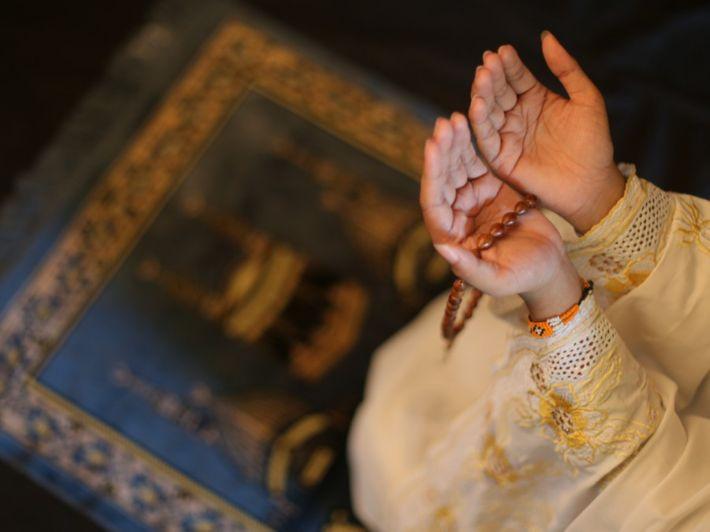

The servant is closest to Allah while in prostration (sujood). The Prophet Muhammad ﷺ encouraged Muslims to make abundant supplication during prostration, saying:
“The closest that a servant is to his Lord is while he is prostrating, so increase your supplication.”
Sujood is therefore one of the greatest moments for making du'a. It combines humility, submission and sincere dependence upon Allah.
There is no requirement to use only one particular supplication. A Muslim may ask Allah for whatever is good in this life and the Hereafter through permissible and sincere prayers.
What Is the Best Time to Make Du'a?
One of the most virtuous times for supplication is the last part of the night, particularly the final third.
This is a time associated with worship, seeking forgiveness and turning sincerely to Allah. The Prophetic tradition describes Allah's descent to the lowest heaven during the final third of the night and mentions those who call upon Him and seek His forgiveness.
Sujood is also a particularly important opportunity for supplication during prayer.
Best Du'a During Sujood
A Muslim may ask Allah for whatever good they need during sujood. Among the comprehensive supplications is:
“O Allah, You are Pardoning and You love to pardon, so pardon me.”
Another powerful supplication is the prayer of Prophet Yunus:
“There is no deity except You; glory be to You. Indeed, I have been among the wrongdoers.”
This supplication combines affirmation of Allah's oneness, glorification of Him and acknowledgment of one's own shortcomings.
A Comprehensive Du'a for Goodness
One of the most comprehensive Quranic supplications is:
“Our Lord, give us good in this world and good in the Hereafter and protect us from the punishment of the Fire.”
This brief supplication brings together a request for goodness in both worlds and protection from the punishment of the Hereafter.
Du'a for Forgiveness and Well-Being
Another comprehensive supplication is:
“O Allah, I ask You for well-being in this world and the Hereafter.”
A Muslim can also say:
“O Allah, I ask You for forgiveness and well-being in my religion, my worldly affairs, my family and my wealth. O Allah, conceal my faults and calm my fears.”
Asking Allah for well-being encompasses protection and goodness in one's faith, worldly life, family and possessions.
Is There One Du'a That Is Closest to Allah?
There is no single formula that can exclusively be described as “the closest du'a to Allah.” The Quran and Sunnah contain many comprehensive supplications with profound meanings of monotheism, humility, repentance and reliance upon Allah.
However, in terms of the state in which supplication is made, sujood is one of the closest positions between a servant and their Lord, and the Sunnah encourages abundant supplication during it.
The Muslim can combine authentic supplications with sincerity, presence of heart and good expectations of Allah.
Comprehensive Du'as to Recite
Among the supplications a Muslim can regularly make are:
“O Allah, forgive me, have mercy upon me, guide me, grant me well-being and provide for me.”
“O Allah, rectify my religion, which is the safeguard of my affairs; rectify my worldly life, in which is my livelihood; and rectify my Hereafter, to which is my return.”
“O Allah, I ask You for guidance, piety, chastity and sufficiency.”
“My Lord, expand my chest for me and make my task easy for me.”
“Our Lord, do not let our hearts deviate after You have guided us, and grant us mercy from Yourself. Indeed, You are the Bestower.”
When is a servant closest to Allah?
The Prophet ﷺ taught that a servant is closest to Allah while prostrating, making sujood one of the greatest times for supplication.
What is a good du'a to say during sujood?
A Muslim may ask Allah for any permissible good. Among the comprehensive supplications is: “O Allah, You are Pardoning and You love to pardon, so pardon me.”
Is the supplication of Prophet Yunus recommended?
Yes. The supplication “There is no deity except You; glory be to You. Indeed, I have been among the wrongdoers” is the supplication of Prophet Yunus mentioned in the Quran.
What is the best time for du'a at night?
The final third of the night is among the virtuous times for supplication, seeking forgiveness and worship.
Is there one du'a that is guaranteed to be answered more than all others?
There is no single supplication established as universally superior in every circumstance. The Sunnah highlights certain times and circumstances for du'a, including sujood and the final third of the night.