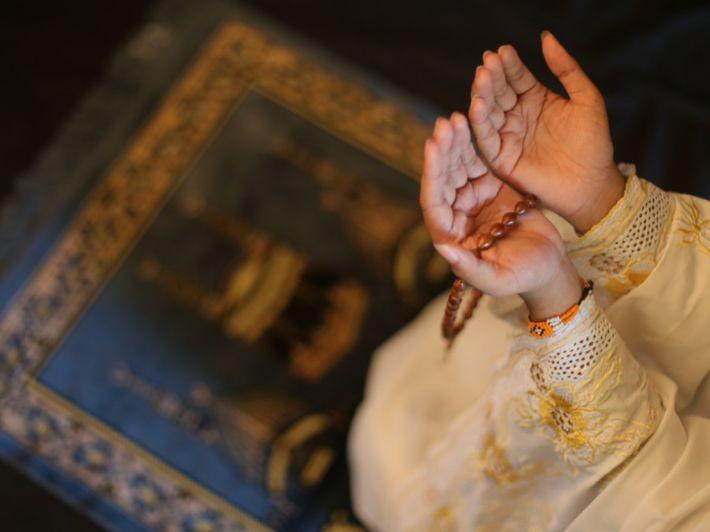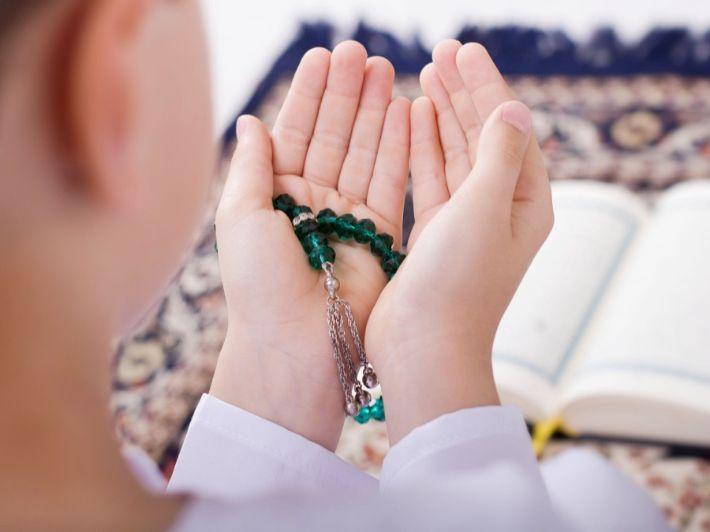

Sayyid al-Istighfar, known as the Master of Seeking Forgiveness, is among the greatest supplications for seeking Allah’s forgiveness. It combines belief in Allah’s oneness, recognition of His blessings, acknowledgment of one’s sins, and a sincere request for forgiveness.
The supplication begins:
“O Allah, You are my Lord; there is no deity except You. You created me and I am Your servant...”
It continues with an acknowledgment of Allah’s blessings, recognition of one’s wrongdoing, and a request for forgiveness, ending with the affirmation that no one forgives sins except Allah.
Why Is Sayyid al-Istighfar Important?
Sayyid al-Istighfar is distinguished by the depth of its meanings. It is not simply a request for forgiveness; it expresses complete submission to Allah and sincere acknowledgment of human weakness.
Recognizing Allah’s Blessings
The supplication reminds the believer of Allah’s blessings and encourages gratitude rather than neglecting His favors.
Acknowledging Sin
Sincere repentance requires recognizing one’s wrongdoing and feeling genuine remorse rather than insisting on the sin.
Asking Allah for Forgiveness
The dua ends by seeking forgiveness from Allah alone, recognizing His power to forgive and show mercy.
Other Duas for Repentance and Forgiveness
Alongside Sayyid al-Istighfar, Muslims may make sincere supplications asking Allah for forgiveness, mercy, guidance, and steadfastness.
One well-known supplication is:
“O Allah, I have greatly wronged myself, and no one forgives sins except You. So forgive me with a forgiveness from You and have mercy upon me. Indeed, You are the Most Forgiving, Most Merciful.”
This dua expresses humility, acknowledgment of wrongdoing, and a direct request for Allah’s forgiveness and mercy.
What Are the Conditions of Sincere Repentance?
Repentance is more than words spoken by the tongue. Sincere tawbah involves a genuine return to Allah and includes several important elements.
Regret for the Sin
A person should genuinely regret committing the sin and recognize the seriousness of disobedience.
Abandoning the Sin
Sincere repentance requires stopping the sinful act and leaving it rather than continuing it while claiming to have repented.
Resolving Not to Return
The person should sincerely intend not to return to the sin and should avoid circumstances that may lead back to it.
Restoring the Rights of Others
If the wrongdoing involved another person’s rights, sincere repentance requires addressing those rights and restoring them when applicable.
How Can a Person Make Sincere Tawbah?
Sincere repentance begins with turning back to Allah without unnecessary delay. It includes leaving the sin, regretting it, and sincerely resolving not to return to it.
Maintaining prayer, increasing istighfar, reading the Quran, making dua, and performing righteous deeds can help a person remain steadfast after repentance.
A person should never allow previous sins to lead to despair. Instead, they should continue turning back to Allah and renew their repentance whenever they make a mistake.
Can Muslims Make Dua for Repentance in Their Own Words?
Yes. A Muslim may ask Allah for forgiveness and repentance through permissible supplications, while giving special attention to authentic supplications reported from the Prophet Muhammad ﷺ.
Sayyid al-Istighfar remains one of the most renowned forms of seeking forgiveness because it combines monotheism, acknowledgment of Allah’s blessings, recognition of sin, and a request for forgiveness.
When Should Sayyid al-Istighfar Be Recited?
The virtue of Sayyid al-Istighfar is mentioned in prophetic tradition, and it is recommended as a morning and evening supplication.
Its meaning should be reflected upon rather than simply repeated mechanically. Seeking forgiveness is also encouraged throughout the day as part of a believer’s ongoing relationship with Allah.
What is the best dua for repentance?
Sayyid al-Istighfar is among the greatest supplications for seeking forgiveness and contains profound meanings of faith, repentance, and reliance on Allah.
What are the conditions of sincere repentance?
They include regretting the sin, abandoning it, sincerely resolving not to return to it, and restoring other people’s rights when applicable.
Is saying istighfar alone enough for repentance?
Istighfar is a great act of worship, but sincere repentance also requires leaving the sin, regretting it, and resolving not to return to it.
Can a person repent after repeating the same sin?
Yes. A person should return to Allah whenever they fall into sin, while sincerely regretting it and resolving to avoid returning to it.
What is the most famous dua for seeking forgiveness?
Sayyid al-Istighfar is one of the most famous prophetic supplications for forgiveness and combines acknowledgment of Allah’s blessings, recognition of sin, and a request for forgiveness.