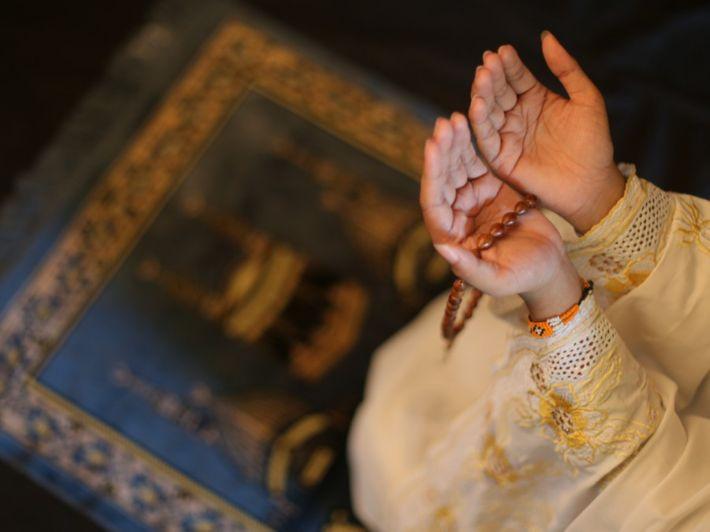

Prophet Muhammad ﷺ used to recite an opening supplication, known as Du'a al-Istiftah, immediately after the opening takbir and before beginning the recitation of Surat Al-Fatihah.
The opening supplication is a recommended Sunnah rather than an obligatory part of the prayer. Several authentic forms have been reported from the Prophet ﷺ, allowing Muslims to recite whichever established wording they know.
When Is the Opening Supplication Recited?
Du'a al-Istiftah is recited after the opening takbir and before the recitation of Al-Fatihah.
It is recited quietly as part of the beginning of the prayer. After completing the opening supplication, the worshipper proceeds with the prescribed opening of the Quranic recitation and then reads Al-Fatihah.
Is Du'a al-Istiftah Obligatory?
No. The opening supplication is a recommended Sunnah, not an obligation.
Therefore, leaving it out does not invalidate the prayer, whether it was forgotten or intentionally omitted.
The Most Well-Known Opening Supplications
Several authentic forms of the opening supplication have been reported from Prophet Muhammad ﷺ.
O Allah, Distance Me From My Sins
One well-known form says:
“O Allah, distance me from my sins as You have distanced the East from the West. O Allah, cleanse me of my sins as a white garment is cleansed of dirt. O Allah, wash away my sins with snow, water and hail.”
This supplication asks Allah for forgiveness, purification from sins and spiritual cleansing.
I Have Turned My Face Toward the One Who Created the Heavens and Earth
Another established form begins:
“I have turned my face toward the One who created the heavens and the earth, sincerely devoted to Him, and I am not among those who associate partners with Allah. Indeed, my prayer, my sacrifice, my living and my dying are for Allah, Lord of the worlds.”
The supplication emphasizes sincere worship, monotheism and complete devotion to Allah.
Glory Be to You, O Allah
Another well-known form is:
“Glory be to You, O Allah, and praise be to You. Blessed is Your name, exalted is Your majesty, and there is no god besides You.”
It combines glorification, praise and acknowledgment of Allah’s absolute oneness.
Can Muslims Alternate Between Different Opening Supplications?
Yes. Since several forms of the opening supplication have been authentically reported from the Prophet ﷺ, Muslims may alternate between them.
Using different established forms can also help the worshipper reflect on the meanings of each supplication rather than mechanically repeating the same wording.
What Comes After the Opening Supplication?
After completing the opening supplication, the worshipper proceeds with the prescribed opening of the recitation, including seeking refuge in Allah, followed by the recitation of Surat Al-Fatihah.
In general, the beginning of the prayer follows this sequence: opening takbir, opening supplication, seeking refuge in Allah, then reciting Al-Fatihah.
What did the Prophet say before reciting Al-Fatihah?
The Prophet ﷺ used an opening supplication after the opening takbir and before reciting Al-Fatihah. Several authentic forms are reported.
Is the opening supplication obligatory?
No. Du'a al-Istiftah is a recommended Sunnah, and leaving it out does not invalidate the prayer.
When is Du'a al-Istiftah recited?
It is recited immediately after the opening takbir and before seeking refuge in Allah and reciting Al-Fatihah.
Can different opening supplications be used?
Yes. Muslims may alternate between the authentic forms reported from the Prophet ﷺ.
What is one of the most famous opening supplications?
One famous form begins: “O Allah, distance me from my sins as You have distanced the East from the West.” Another begins: “Glory be to You, O Allah, and praise be to You.”