What Should You Read After Every Prayer? Authentic Post-Prayer Dhikr
Learn what Muslims are recommended to recite after every obligatory prayer, including Ayat Al-Kursi, the three Mu’awwidhat, istighfar, tasbih, and other Sunnah supplications
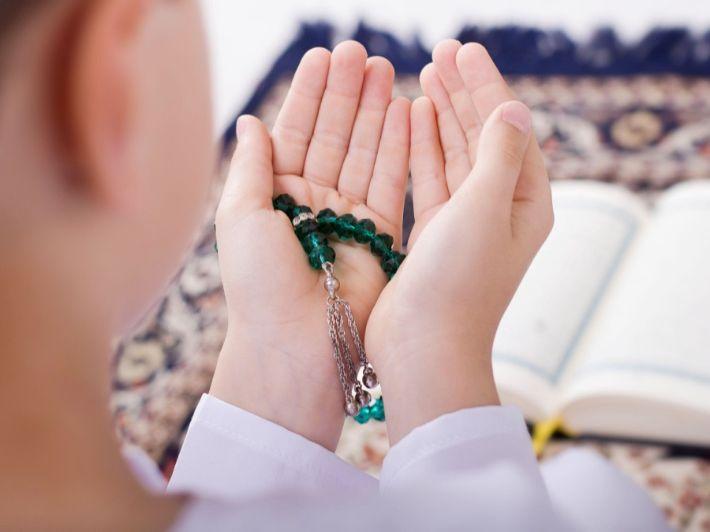
What should you read after every prayer? Many Muslims ask this question to learn which supplications and forms of remembrance are authentically reported from the Prophet Muhammad ﷺ after the obligatory prayers.
Among the recommended practices after prayer are seeking forgiveness, reciting Ayat Al-Kursi, reciting the three Mu’awwidhat, and performing tasbih, tahmid, takbir, and tahlil.
What Should You Read After Every Obligatory Prayer?
One of the most important passages to recite after an obligatory prayer is Ayat Al-Kursi, verse 255 of Surah Al-Baqarah.
It is also recommended to recite Surah Al-Ikhlas, Surah Al-Falaq, and Surah An-Nas, collectively known as the three Mu’awwidhat.
A Muslim should strive to maintain these authentic forms of remembrance while also varying among the supplications established in the Sunnah.
Reciting Ayat Al-Kursi After Prayer
Ayat Al-Kursi is among the most well-known passages recited as part of post-prayer remembrance.
It begins:
“Allah—there is no deity except Him, the Ever-Living, the Sustainer of all.”
Ayat Al-Kursi is recommended after every obligatory prayer.
Reciting the Three Mu’awwidhat After Prayer
The three Mu’awwidhat are Surah Al-Ikhlas, Surah Al-Falaq, and Surah An-Nas.
They are among the recommended forms of remembrance and protection that Muslims recite after prayer.
They are particularly repeated three times after Fajr and Maghrib, according to the established morning and evening remembrance.
Saying Astaghfirullah After Prayer
It is part of the Sunnah to say:
“Astaghfirullah”
three times after completing the prayer.
Then the worshipper says:
“O Allah, You are Peace, and from You comes peace. Blessed are You, O Possessor of Majesty and Honor.”
This is among the established forms of remembrance after prayer.
Tasbih, Tahmid and Takbir After Prayer
Another well-known form of post-prayer remembrance is:
- Subhan Allah — 33 times.
- Alhamdulillah — 33 times.
- Allahu Akbar — 33 times.
The worshipper then completes one hundred by saying:
“There is no deity except Allah alone, without partner. To Him belongs the dominion and to Him is all praise, and He has power over all things.”
This is among the great forms of remembrance recommended after the obligatory prayers.
Is There a Specific Surah for Each Prayer?
There is no established practice of assigning a particular Surah permanently to each obligatory prayer as a post-prayer recitation.
Instead, Muslims are encouraged to maintain the authentic adhkar reported from the Prophet ﷺ, including Ayat Al-Kursi, the Mu’awwidhat, istighfar, tasbih, tahmid, takbir, and tahlil.
What Is the Best Thing to Say After Prayer?
Among the best practices after prayer is to maintain the authentic Prophetic adhkar.
These include saying “Astaghfirullah” three times, followed by “Allahumma anta as-salam wa minka as-salam…”, reciting Ayat Al-Kursi and the three Mu’awwidhat, and performing tasbih, tahmid, takbir, and tahlil.
The time after prayer can also be used for personal supplication while maintaining the established Sunnah practices.
Conclusion
After every obligatory prayer, a Muslim is recommended to seek Allah’s forgiveness three times, say “Allahumma anta as-salam wa minka as-salam…”, recite Ayat Al-Kursi and the three Mu’awwidhat, and perform the established forms of tasbih, tahmid, takbir, and tahlil.
There is no specific Surah that must permanently be assigned to each prayer. The best approach is to maintain the authentic forms of remembrance reported from the Prophet ﷺ.
What should I read after every prayer?
You may recite Ayat Al-Kursi and the three Mu’awwidhat, along with istighfar, tasbih, tahmid, takbir, and tahlil.
How many times should I say Astaghfirullah after prayer?
It is recommended to say “Astaghfirullah” three times.
What should I say after Astaghfirullah?
Say: “Allahumma anta as-salam wa minka as-salam, tabarakta ya dhal-jalali wal-ikram.”
Should I recite the Mu’awwidhat after every prayer?
Yes. Surah Al-Ikhlas, Al-Falaq, and An-Nas are recommended after the prayers, with three repetitions particularly after Fajr and Maghrib.

Learn how to seek protection when leaving home through authentic Islamic supplications and remembrance, including the prophetic dua for guidance, reliance upon Allah, and protection.
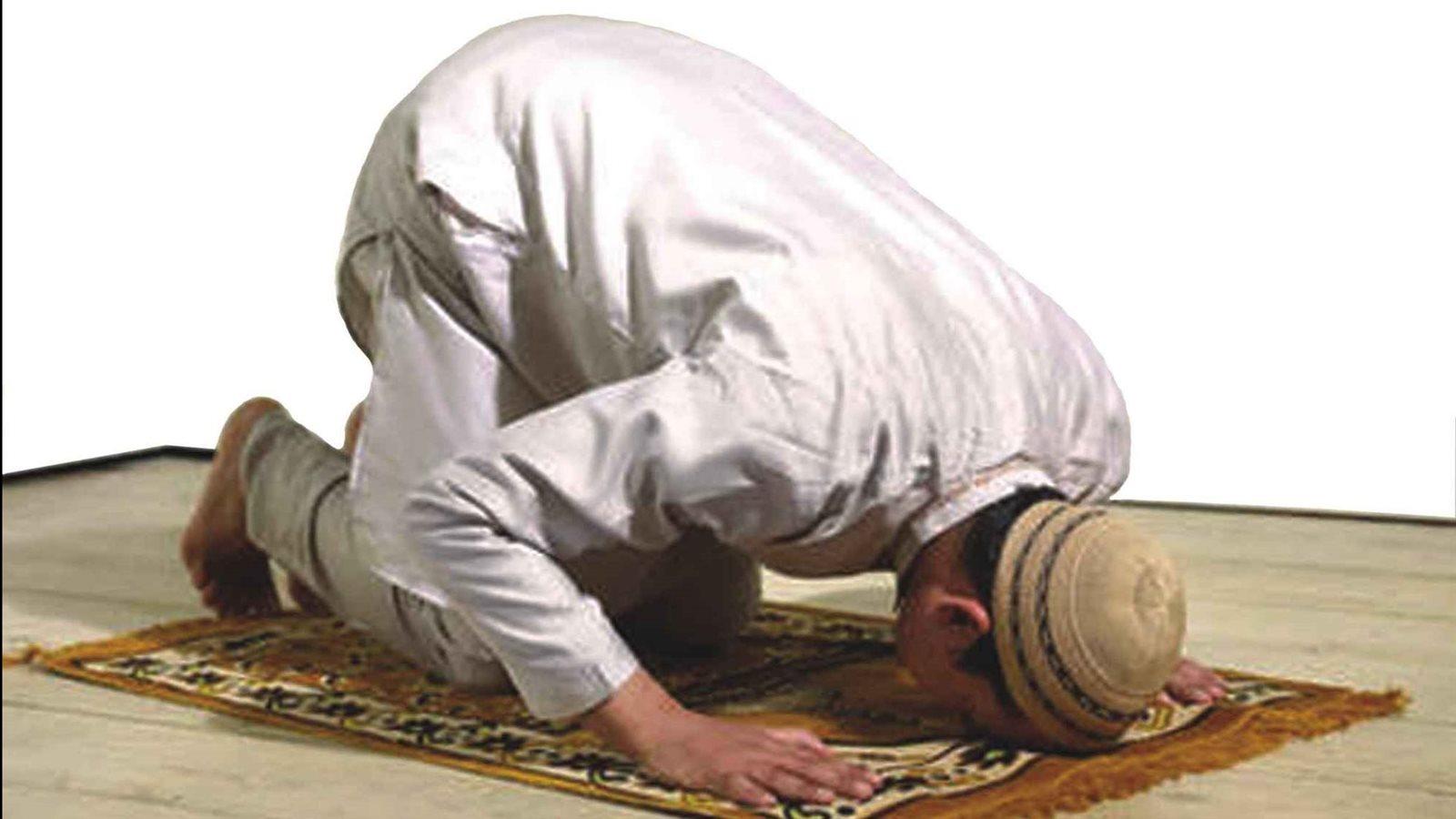
The best way to deal with waswas during prayer is to seek refuge in Allah, ignore recurring doubts, avoid repeatedly restarting prayer or ablution, and focus on remembrance and tranquility.
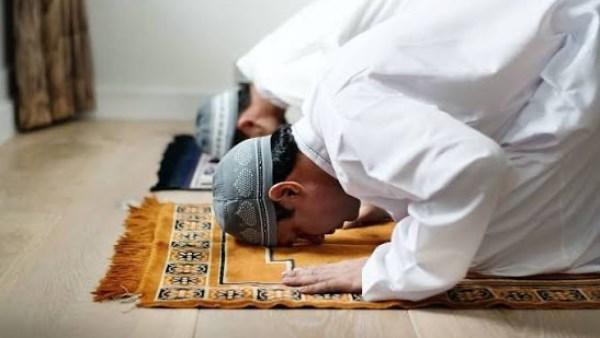
Egypt’s Dar Al-Ifta explains when praying behind the imam from a hotel via television is valid and how the connection of prayer rows affects the ruling

The opening supplication, known as Dua Al-Istiftah, is a Sunnah of the Prophet Muhammad ﷺ and is recited after the opening Takbir and before Al-Fatihah
