What Do We Say Before Starting Prayer? Opening Supplication Explained
The opening supplication is a Sunnah reported from the Prophet Muhammad, peace be upon him. It is said after the opening takbir and before reciting Al-Fatihah
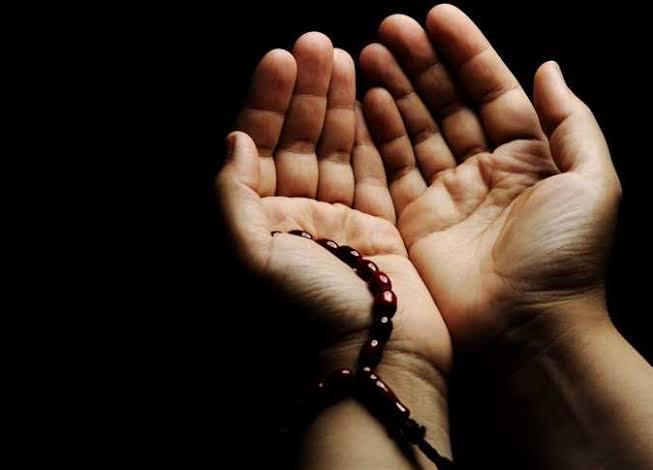
Many Muslims ask: What should we say before starting the prayer? The recommended practice is to recite an opening supplication, known as Du'a al-Istiftah, after the opening takbir and before reciting Surah Al-Fatihah. The opening supplication is recited quietly before the prayer proceeds to the Quranic recitation.
What Is the Opening Supplication?
The opening supplication is a prayer said at the beginning of Salah, after the opening takbir and before reciting Al-Fatihah. Several forms of this supplication have been reported from the Prophet Muhammad, peace and blessings be upon him.
First Common Form
One well-known form is: “Subhanaka Allahumma wa bihamdik, wa tabarakasmuk, wa ta'ala jadduk, wa la ilaha ghayruk.” Its meaning is: “Glory be to You, O Allah, and praise be to You. Blessed is Your Name, exalted is Your majesty, and there is no deity except You.”
Second Common Form
Another well-known form is: “O Allah, distance me from my sins as You have distanced the East from the West. O Allah, cleanse me of my sins as a white garment is cleansed of impurity. O Allah, wash away my sins with snow, water, and hail.” This supplication asks Allah to forgive sins and purify the worshipper from them.
When Is the Opening Supplication Said?
The opening supplication is said after the opening takbir and before reciting Surah Al-Fatihah. It is recited quietly. The worshipper then seeks refuge in Allah from Satan and begins reciting Al-Fatihah.
Is the Opening Supplication Obligatory?
No. The opening supplication is a Sunnah and not an obligatory part of the prayer. Therefore, leaving it out does not invalidate the prayer. A person who remembers it may recite it, while someone who leaves it out may continue with the prayer normally.
Are There Different Forms of the Opening Supplication?
Yes. More than one form of the opening supplication has been reported from the Prophet Muhammad, peace be upon him. A Muslim may use the different authentic forms at different times. There is no requirement to combine all forms in a single prayer.
What Comes After the Opening Supplication?
After the opening supplication, the worshipper seeks refuge in Allah from Satan and then begins the recitation of Al-Fatihah.
Seeking Refuge in Allah
The worshipper says: “A'udhu billahi min ash-shaytanir-rajim.” Meaning: “I seek refuge in Allah from Satan, the accursed.” The worshipper then recites Surah Al-Fatihah and, where prescribed, follows it with another portion of the Quran.
Summary
What do we say before starting the prayer? The recommended practice is to recite the opening supplication after the opening takbir and before Al-Fatihah. One of the well-known forms is: “Glory be to You, O Allah, and praise be to You. Blessed is Your Name, exalted is Your majesty, and there is no deity except You.” The opening supplication is a Sunnah, not a condition for the validity of Salah. Therefore, the prayer remains valid if it is omitted.
What should I say after the opening takbir?
It is recommended to recite the opening supplication quietly before beginning Surah Al-Fatihah.
Is the opening supplication obligatory?
No. It is a Sunnah, and leaving it out does not invalidate the prayer.
Can I use different forms of the opening supplication?
Yes. Different forms have been reported, and a worshipper may vary between them.
Should the opening supplication be said aloud?
It is generally recited quietly.
What is one of the most well-known opening supplications?
One common form begins: “Subhanaka Allahumma wa bihamdik…”, meaning “Glory be to You, O Allah, and praise be to You.”

Discover supplications for protecting children, including authentic prophetic remembrance and general duas asking Allah for safety, guidance, righteousness, and blessings
Learn the recommended supplications and adhkar after the obligatory prayer, including seeking forgiveness, Ayat al-Kursi, glorification, praise, and takbir
Learn about Prophet Muhammad’s treatment of his companions and the lessons his life offers in mercy, humility, justice, compassion, education and good character.
The story of Harut and Marut raises many questions. Discover what the Quran says about them and how scholars have assessed the additional reports about their story.
