
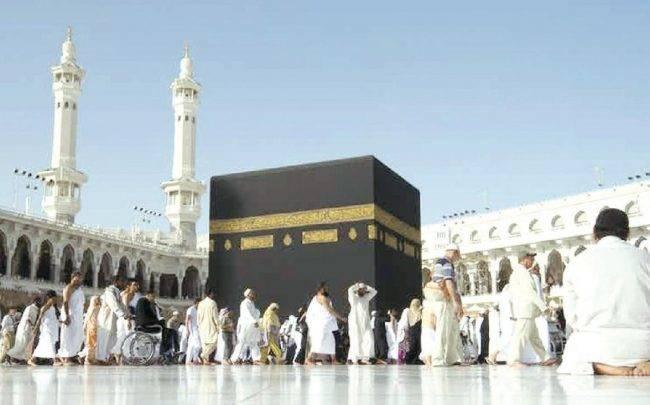

Amid ongoing questions about prioritizing good deeds, a clear perspective has emerged, emphasizing that supporting the poor and those in need can outweigh performing a voluntary Umrah in many situations.
The explanation highlights that Islamic teachings are built on achieving benefit and relieving hardship, making it essential to prioritize helping individuals who are struggling with basic necessities such as food, shelter, or debt.
Rather than focusing solely on ritual acts, the emphasis is placed on the impact of actions. Bringing relief to others, feeding the hungry, easing financial burdens, and offering support during hardship are considered among the most rewarding deeds.
It is further clarified that actions which directly improve people’s lives and strengthen social compassion are highly valued, as they reflect the deeper purpose of faith—serving humanity with sincerity and care.
This understanding does not diminish the importance of Umrah, but instead encourages thoughtful prioritization, especially when resources are limited and urgent human needs are present.
Such guidance underscores the importance of awareness when choosing how to give, particularly during difficult times when helping others becomes not just virtuous, but essential.
For more details and latest updates, follow Masr Connect




