White Days of Dhul-Qi’dah 2026: Dates, Virtue, and Ruling on Combining Intentions in Fasting
Muslims are seeking the dates and virtues of the White Days in Dhul-Qi’dah 2026, along with Islamic rulings on combining multiple fasting intentions such as making up missed fasts and voluntary fasting.

Many Muslims are observing the upcoming White Days of Dhul-Qi’dah 2026, which are among the recommended fasting days in Islam, especially within the sacred months that hold special significance in the Qur’an and Sunnah.
The White Days fall on the 13th, 14th, and 15th of Dhul-Qi’dah 1447 Hijri, corresponding to Friday May 1, Saturday May 2, and Sunday May 3, 2026, according to astronomical calculations and announcements regarding the Islamic month’s beginning.
Fasting these days is considered a confirmed Sunnah of the Prophet Muhammad (peace be upon him), as fasting three days each month is said to equal the reward of fasting an entire year, and they are called “white days” due to the bright moonlit nights.
Regarding combining intentions, Islamic scholars have stated that it is permissible in some cases to combine the intention of voluntary fasting with making up missed obligatory fasts, allowing a person to gain reward for both.
Some schools of Islamic jurisprudence, including the Shafi’i school, allow combining intentions such as fasting on Mondays and Thursdays along with the White Days, provided the intention is made before dawn, though scholars differ in certain details.
For more details and latest news follow Egypt Connect
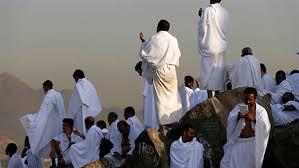
As Hajj 2026 approaches, Muslims increasingly search for a detailed guide to Hajj rituals, beginning with Ihram and continuing through sacred rites that culminate in the Farewell Tawaf, a spiritual journey of a lifetime.
A collection of powerful Islamic prayers for fulfilling needs and increasing sustenance, along with the virtue of supplication and trust in God.

A key Islamic clarification on whether a father can allocate all his wealth to his daughters during his lifetime and how it affects inheritance laws.
A clear Islamic explanation regarding whether prayers can be performed for someone who neglected them in life, and what deeds benefit the deceased.
