
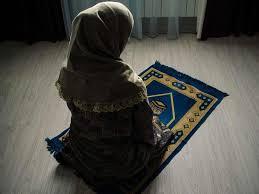

Dr. Nady Abdallah, Professor of Hadith at Al-Azhar University, explained that the Prophet Muhammad’s ﷺ saying “Glorification (tasbeeh) is for men and clapping for women” is an authentic hadith reported by both Al-Bukhari and Muslim. However, he noted that many people misunderstand it, thinking it means men are the only ones instructed to glorify God, while women are not — a completely incorrect interpretation.
He clarified that the hadith is not related to general remembrance (dhikr) or acts of worship, but rather to the proper way to alert the imam during prayer if something occurs. The Prophet ﷺ instructed men to say “Subhan Allah” (Glory be to God) because their voices are usually louder and more audible, while women were told to clap because their voices are gentler, and clapping is a more suitable signal in prayer.
Dr. Abdallah emphasized that this guidance demonstrates the Prophet’s refined manners and deep wisdom, as it protects women’s modesty during prayer without diminishing their spiritual role.
He added that the hadith does not mean that a woman’s voice is ‘awrah’ (forbidden to be heard) — this is a misconception. The instruction applies only within the context of congregational prayer. Outside prayer, women are free to speak, teach, and remember Allah, as stated in the Qur’an: “Men and women who remember Allah often.”
The professor concluded that Islam honors women and grants them full participation in worship and public life. The hadith merely reflects an etiquette of prayer, not inequality, and understanding prophetic sayings in their proper context is essential to dispel misconceptions about Islamic teachings.




