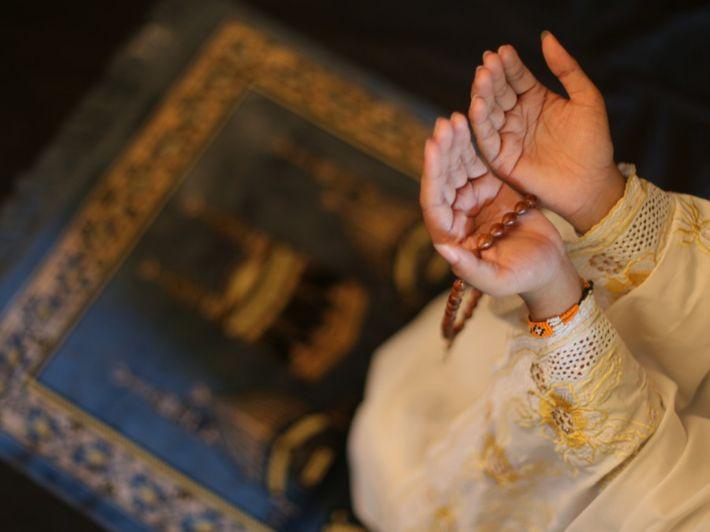
Dr. Mahmoud Shalaby, a member of Egypt’s Dar Al-Ifta Fatwa Committee, explained the ruling on covering the chin for women, in response to a question about whether the chin must be covered during prayer or as part of Islamic hijab.
He explained that the chin falls within the boundaries of the face and therefore does not have to be covered, either during prayer or as part of hijab in front of non-mahram men.
The area below the chin, however, is considered the beginning of the neck and must be covered.
What Are the Boundaries of the Face?
Where does the face begin and end?
The fatwa official explained that the face extends vertically from the normal hairline of the head down to the lower part of the chin, and horizontally from one ear to the other.
Accordingly, the chin itself is part of the face and is not among the areas that women are required to cover during prayer or under Islamic hijab.
What about the area below the chin?
Dr. Mahmoud Shalaby distinguished between the chin itself and the area underneath it.
The area below the chin marks the beginning of the neck and therefore should be covered during prayer and in front of non-mahram men.
Is Prayer Valid if the Chin Is Visible?
Showing the chin does not invalidate prayer
The fatwa official confirmed that if a woman covers her head and neck while her face remains visible within its recognized boundaries, including the chin, her prayer is valid and there is no religious hardship involved.
This ruling reflects the principle of ease and removing unnecessary hardship in Islamic jurisprudence.
The difference between the chin and neck
The important distinction is between the part that belongs to the face and the area below it.
The chin is considered part of the face, while the area beneath the chin is the beginning of the neck and therefore has a different ruling regarding covering.
What Are the Requirements of Islamic Hijab?
Does hijab have to follow a specific style?
Sheikh Ahmed Wissam, another member of the Dar Al-Ifta Fatwa Committee, explained that Islamic law does not require women to wear hijab in one particular design or clothing style.
Instead, Islamic law establishes specific requirements and characteristics for proper hijab that should be observed.
Following the religious requirements
The concept of Islamic hijab is connected to fulfilling the required standards of modest covering rather than wearing one particular type of garment.
Therefore, differences in clothing designs, colors, and styles do not necessarily change the ruling as long as the required conditions of covering are fulfilled.
Ease and Removing Hardship in Hijab Rulings
Islamic law emphasizes ease
The fatwa official stressed the importance of ease and removing unnecessary hardship when addressing matters of Islamic jurisprudence.
Regarding the chin specifically, women should not feel religiously burdened if the recognized boundaries of the face remain visible, including the chin, provided that the head and neck are properly covered.
What must a woman cover?
According to the explanation, a woman should cover her head, neck, and other areas that are required to be covered during prayer.
The same basic distinction applies in front of non-mahram men, with the face treated differently from the neck in terms of required covering.
Conclusion
The chin is considered part of the face and does not have to be covered by a woman during prayer or as part of Islamic hijab in front of non-mahram men. The area beneath the chin, however, is the beginning of the neck and should be covered.
Therefore, when a woman covers her head and neck while leaving her face visible within its recognized boundaries, including the chin, her prayer remains valid and there is no hardship in doing so.
Does a woman have to cover her chin?
No. The chin is considered part of the face and does not have to be covered according to the explanation provided by the fatwa official.
Does showing the chin invalidate prayer?
No. If the woman has covered her head and neck while her face remains within its recognized boundaries, her prayer is valid.
Does the area below the chin have to be covered?
Yes. The area below the chin is considered the beginning of the neck and should be covered during prayer and in front of non-mahram men.
Does Islamic hijab have a specific style?
No. Islamic law does not require one particular design or type of clothing, but establishes requirements and characteristics that should be observed.
What are the boundaries of the face?
The face extends vertically from the normal hairline to the lower part of the chin and horizontally from one ear to the other.