
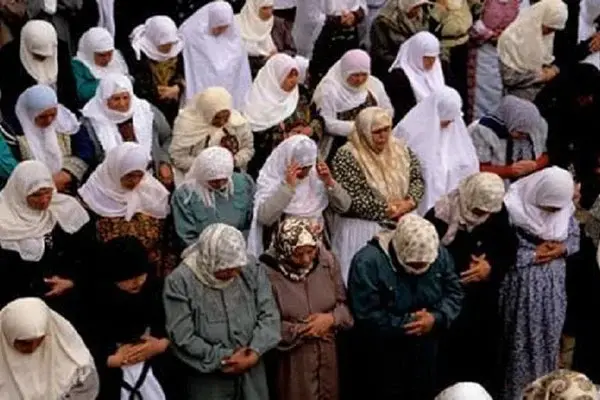

Public debate surrounding women’s rights in Islam continues to surface across social and academic platforms. Addressing these discussions, Professor Hany Tammam, a scholar of Islamic jurisprudence at Al-Azhar University, emphasized that such issues must be examined through the authentic principles of Islamic law rather than through modern misconceptions or fragmented interpretations.
He explained that Islamic legislation emerged in a historical context where women were often deprived of basic human rights, including inheritance, financial independence, and freedom of marital choice. The advent of Islam redefined these norms, granting women independent legal identity, property ownership, and clearly established rights within family and society.
Historical accounts highlight the significant transformation that took place after Islamic teachings were revealed, marking a shift from marginalization to recognized dignity and responsibility.
The Qur’anic principle stating, “For women are rights similar to those upon them in kindness,” establishes a framework of balanced rights and duties. Islamic law further affirms a woman’s right to inheritance, her independent financial capacity, and her freedom to accept or refuse marriage, alongside equal accountability in religious obligations.
The prophetic saying, “Women are the counterparts of men,” reinforces the concept of shared human dignity rather than hierarchy. According to the scholar, many perceived injustices stem from cultural misapplications rather than from Islamic texts themselves.
He also addressed the concept of guardianship (qiwamah), clarifying that it signifies responsibility and care—not domination or control. Misinterpretations of such terms have contributed to contemporary misunderstandings.
Renewing religious discourse, he noted, does not imply altering foundational principles but returning to their authentic meanings while removing distortions in interpretation. The Prophetic model of interaction with women—marked by consultation, respect, and compassion—remains a guiding example.
Ultimately, resolving debates about women’s rights requires thoughtful dialogue and accurate understanding. Islamic law, at its core, is founded on justice, and any injustice arises from human misuse, not divine legislation.
For more details and the latest updates, follow Masr Connect




