
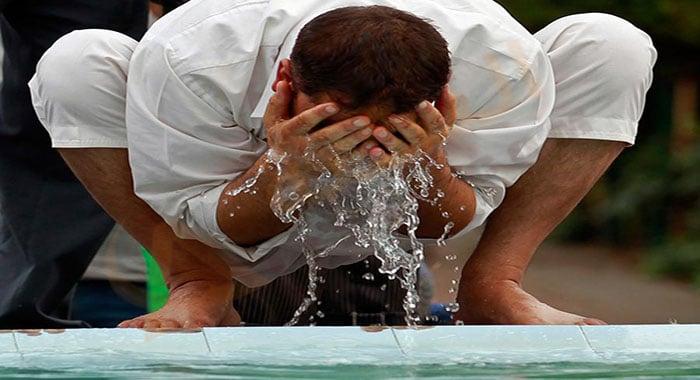

Egypt’s Dar Al-Ifta has explained how people with disabilities and special needs should perform Wudu, emphasizing that Islamic law takes their circumstances into consideration and seeks to remove hardship from them.
Dar Al-Ifta explained that anyone who is able to perform Wudu independently must do so according to their ability. However, if a person is unable to perform Wudu without assistance, they may seek help from another person, provided that the body part required for Wudu is present.
How Do People With Disabilities Perform Wudu?
Wudu According to Ability
Islamic law takes into account the different abilities and circumstances of those responsible for religious duties.
If a person with a disability can perform Wudu independently, they should do so. If they require assistance because of their physical condition, they are permitted to receive help from another person.
What If Some Wudu Body Parts Are Missing?
If some of the body parts required for Wudu are present while others are missing, the person should wash the parts that are present.
The requirement to wash a missing body part is dropped because it is not physically present.
What Should a Person Do If They Cannot Perform Wudu?
If a person is unable to perform Wudu, they may perform Tayammum, or dry ablution.
They may perform Tayammum themselves or seek assistance from another person if they are unable to do it independently.
If they are unable to perform Tayammum as well, they should pray according to their physical condition and ability. According to Dar Al-Ifta, they are not required to repeat the prayer.
This is based on the statement of the Prophet Muhammad ﷺ:
“When I command you to do something, do of it as much as you are able.”
Ease and the Removal of Hardship in Islam
Islamic Law Takes Circumstances Into Account
Dar Al-Ifta emphasized that ease and the removal of hardship are firmly established principles in Islamic law.
Religious obligations take a person’s circumstances and ability into consideration.
Allah Almighty says:
“Allah intends ease for you and does not intend hardship for you.”
(Quran 2:185)
Allah also says:
“He has not placed upon you in religion any hardship.”
(Quran 22:78)
Religious Duties Are Based on Ability
Dar Al-Ifta explained that people with disabilities and special needs are subject to Islamic obligations when the conditions of religious responsibility are fulfilled.
However, their performance of religious duties is based on their condition, ability, and capacity.
Allah says:
“Allah does not burden a soul beyond its capacity.”
(Quran 2:286)
He also says:
“There is no blame upon the blind, nor is there blame upon the lame, nor is there blame upon the ill.”
(Quran 48:17)
What If a Person Cannot Perform Wudu or Tayammum?
If a person cannot perform Wudu and is also unable to perform Tayammum, they should pray according to their condition and ability.
This reflects the Islamic principle of making religious duties possible for people according to their individual circumstances and removing hardship from those who have genuine limitations.
Can people with disabilities receive assistance with Wudu?
Yes. If a person cannot perform Wudu independently, they may seek assistance from another person.
What if some of the body parts required for Wudu are missing?
They should wash the body parts that are present, while the requirement to wash a missing body part is dropped.
What should a person do if they cannot perform Wudu?
They may perform Tayammum themselves or with the assistance of another person.
What if they cannot perform Wudu or Tayammum?
They should pray according to their condition and ability, and according to Dar Al-Ifta, they do not have to repeat the prayer.
Does Islamic law provide concessions for people with disabilities?
Yes. Islamic law emphasizes ease and the removal of hardship, with religious duties performed according to a person’s genuine ability and circumstances.




