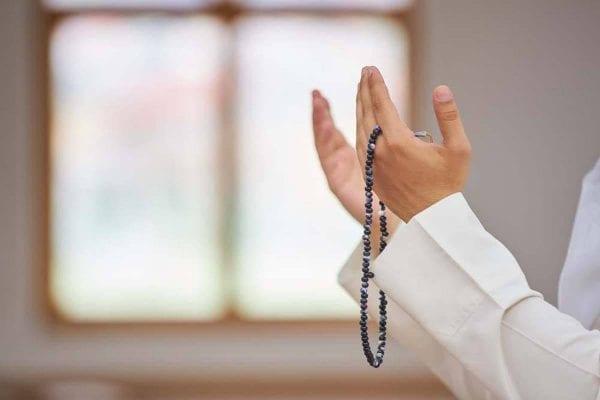

A supplication beginning with “Ya Karim, Allahumma ya dhal-rahmah al-wasi‘ah…” is widely circulated as a prayer for increasing wealth, provision, relief from hardship, and independence from asking others.
But is this supplication authentic? Was it narrated from Prophet Muhammad ﷺ or the Companions? And is there an authentic story connected to it?
Is the “Ya Karim” Supplication Authentic?
The commonly circulated supplication is not established as a Prophetic supplication, nor is it known as an authenticated prayer transmitted from the Prophet ﷺ or the righteous early generations.
The popular wording includes:
“Ya Karim, Allahumma ya dhal-rahmah al-wasi‘ah, ya muttali‘an ‘ala al-sara’ir wal-dama’ir wal-hawajis wal-khawatir…”
It contains meanings of asking Allah for His mercy, generosity, relief, and provision. These general meanings are permissible in supplication.
However, there is no sound basis for presenting this particular wording as a Sunnah supplication or claiming that it has a specific guaranteed effect in bringing wealth or provision.
Is There an Authentic Story Behind It?
There is no established authentic story from Prophet Muhammad ﷺ connected specifically to this wording.
A story circulated alongside a supplication does not make the supplication Prophetic. Special virtues, prescribed numbers, or guaranteed effects also require evidence.
Muslims should therefore distinguish between a permissible personal supplication and a supplication authentically attributed to the Prophet ﷺ.
Is It Permissible to Make This Supplication?
A Muslim may ask Allah using good and permissible words, even when those exact words were not narrated from the Prophet ﷺ.
The important distinction is between:
A personal supplication: A person asks Allah using permissible words and does not claim that they are Prophetic.
A Prophetic supplication: A person attributes a particular wording, virtue, number, or prescribed practice to the Prophet ﷺ. Such attribution requires authentic evidence.
Therefore, the general meanings of the “Ya Karim” prayer may be used as personal supplication, but it should not be described as a Prophetic prayer without evidence.
An Authentic Supplication for Debt and Poverty
Among the authentic supplications reported from Prophet Muhammad ﷺ is:
“O Allah, Lord of the seven heavens and Lord of the Mighty Throne, our Lord and Lord of everything, Splitter of the seed and date stone, Revealer of the Torah, the Gospel and the Criterion, I seek refuge in You from the evil of everything You control. O Allah, You are the First, there is nothing before You; You are the Last, there is nothing after You; You are the Manifest, there is nothing above You; and You are the Hidden, there is nothing beneath You. Settle our debt for us and enrich us so that we are free of poverty.”
This is an authentic supplication reported in Sahih Muslim and directly includes asking Allah to settle debts and provide freedom from poverty.
The Prophetic Supplication Against Poverty and Humiliation
The Prophet ﷺ also used the following supplication:
“O Allah, I seek refuge in You from poverty, scarcity, and humiliation, and I seek refuge in You from wronging others or being wronged.”
This prayer asks Allah for protection from poverty, deprivation, humiliation, and injustice.
A Supplication for Debt and Anxiety
Another authentic supplication was taught by the Prophet ﷺ to Abu Umamah رضي الله عنه when he complained of worries and debts:
“O Allah, I seek refuge in You from anxiety and sorrow, from weakness and laziness, from cowardice and miserliness, from the burden of debt and from being overcome by men.”
It combines seeking protection from emotional and practical difficulties with seeking relief from debt and oppressive circumstances.
What Is the Difference Between a Personal Dua and a Prophetic Dua?
Not every beautiful supplication circulating among Muslims was taught by the Prophet ﷺ.
Some prayers are directly established through the Quran and authentic Sunnah, while others are personal forms of supplication composed by people.
A Muslim may ask Allah for provision, relief, forgiveness, and goodness using permissible words. However, when a particular wording is attributed to the Prophet ﷺ, its authenticity should be verified.
For this reason, authentic Prophetic supplications are especially valuable when asking Allah for relief from debt and poverty.
Is There a Specific Dua That Guarantees Wealth?
There is no sound basis for claiming that a particular formula of words guarantees wealth or inevitably produces a specific amount of money simply by repeating it a certain number of times.
Provision belongs to Allah. Supplication is one of the greatest means of seeking goodness, but it should not be turned into a guaranteed formula without evidence.
A Muslim should combine sincere supplication, reliance upon Allah, and lawful effort.
Why Should Muslims Verify Circulating Supplications?
Many supplications circulate online with claims such as “a tested prayer for wealth” or “a Prophetic prayer for paying debts.”
Popularity does not establish authenticity.
It is important to distinguish between a supplication that is permissible in meaning and one that is authentically transmitted from Prophet Muhammad ﷺ.
Conclusion
The popular “Ya Karim, Allahumma ya dhal-rahmah al-wasi‘ah…” supplication is not authentically established as a Prophetic supplication, and no authentic story connecting it to the Prophet ﷺ has been established.
Its general meanings of asking Allah for mercy, generosity, relief, and provision are permissible when used as personal supplication, provided it is not falsely attributed to the Sunnah.
For debt and poverty, authentic Prophetic supplications include the prayer asking Allah to settle the debt and provide freedom from poverty, as well as the supplication seeking protection from anxiety, weakness, and the burden of debt.
Is the Ya Karim dua authentic?
It is not established as an authentic Prophetic supplication.
Is there an authentic story behind the Ya Karim dua?
No authentic story connected specifically to this wording has been established.
Can Muslims make the Ya Karim dua?
Yes, its general permissible meanings may be used in personal supplication, but it should not be attributed to the Prophet ﷺ without evidence.
What is an authentic dua for debt and poverty?
Among them is: “Settle our debt for us and enrich us so that we are free of poverty.”
Is there a guaranteed dua for getting money?
There is no sound evidence that a particular formula guarantees wealth simply by repeating it a prescribed number of times.