
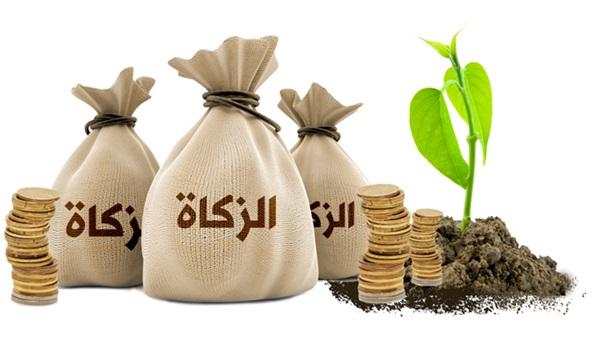

Zakat is the third pillar of Islam and is obligatory for every Muslim who owns the Nisab and on whom a lunar year has passed. It purifies the soul and wealth while helping those in need.
Conditions for Zakat:
-
Islam: Only obligatory for Muslims.
-
Nisab threshold: Ownership of the minimum wealth (equivalent to 85 grams of gold or 595 grams of silver).
-
Completion of a lunar year on the wealth.
-
Full ownership: Wealth must be fully owned and stable for the giver.
Types of wealth subject to Zakat:
-
Money: Gold, silver, and current cash.
-
Trade goods: Items intended for sale.
-
Stocks and bonds: Depending on investment or trading.
-
Crops and fruits: At harvest, no annual requirement.
-
Livestock: Grazing animals.
Zakat Rate:
-
2.5% of cash and trade goods (amount × 0.025).
Recipients of Zakat:
The poor, the needy, those employed to collect it, hearts to be reconciled, slaves to be freed, debtors, in the way of Allah, and travelers.
Important rulings:
-
Zakat is obligatory on the wealth of minors and those mentally incapable.
-
Not obligatory on personal-use property (house, car).
-
It can be paid in installments if needed for the benefit of the needy.
-
Not obligatory for parents or children whose maintenance is your responsibility.
For more details and the latest religious news, follow Misr Connect.




