
Zakat on money becomes due when its required conditions are fulfilled. These include full ownership, reaching the prescribed nisab, and the passage of a complete Hijri year for assets for which the hawl is required.
According to the stated standard, the nisab for cash is equivalent to the value of 85 grams of 21-karat gold. Once the conditions are fulfilled, the zakat due on qualifying cash and trade assets is 2.5%, or one-quarter of one-tenth.
Is Zakat Due on Money Lent to Someone Else?
The stated ruling explains that a debt does not automatically cancel the obligation of zakat. When a person lends money to another person, the lender remains entitled to that money.
According to this view, once the lender receives the debt, zakat is paid for one year, even if the money remained with the borrower for several years.
If the creditor deliberately delays collecting the debt in order to avoid zakat, the delay does not become a means of escaping the obligation for the previous years.
When Should a Creditor Pay Zakat on a Loan?
According to this ruling, when the creditor receives the lent money, zakat is due for one year, provided the applicable conditions are fulfilled.
The detailed ruling can vary depending on the circumstances of the debt, including its collectability and the financial condition of the debtor.
Conditions for Zakat on Money
Several conditions are considered when determining whether zakat is due.
Full Ownership
The money must be owned by the person in a legally recognized manner, giving them the right to dispose of and benefit from it.
Reaching the Nisab
Cash must reach the prescribed zakat threshold. Under the stated standard, the nisab is measured according to the value of 85 grams of 21-karat gold.
Completion of the Hawl
For assets subject to the hawl requirement, a complete Hijri year must pass while the relevant conditions remain fulfilled.
Money Beyond Basic Needs
The applicable rules also consider money that is beyond essential personal and family needs, according to the type of wealth and the relevant legal details.
How Much Is Zakat on Money?
When the conditions of zakat are fulfilled, the zakat rate for qualifying cash and trade assets is 2.5%.
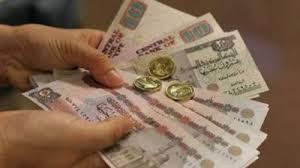
For example, if the zakatable amount is 100,000 Egyptian pounds and all conditions are fulfilled, the zakat due would be 2,500 Egyptian pounds.
What Types of Wealth Are Subject to Zakat?
Zakat rules differ according to the type of wealth.
Cash, Gold and Silver
Zakat applies to qualifying cash, gold, and silver when the required conditions, including the relevant nisab and hawl requirements, are fulfilled.
Business Assets
Goods and assets held for trade and intended for sale for profit are subject to their own zakat rules and valuation requirements.
Livestock
Livestock such as camels, cattle, and sheep have specific nisab levels and zakat amounts. Their rules depend on factors including the number and type of animals and other relevant conditions.
Crops and Fruits
Agricultural produce has specific zakat rules. The hawl is not applied to crops and fruits in the same way it is applied to cash, as their zakat is connected to their harvest.
Minerals and Buried Treasure
Minerals and buried treasure also have distinct zakat rules, and the annual hawl requirement does not apply to them in the same manner as it applies to monetary wealth.
Is the Hawl Required for All Types of Zakat?
No. The passage of a complete Hijri year is not required for every category of zakatable wealth.
The hawl is considered for certain assets, including qualifying cash, gold and silver, trade assets, and livestock under their applicable conditions. Crops, fruits, minerals, and buried treasure have different rules.
Who Are the Eight Categories Eligible for Zakat?
The Quran identifies eight categories that may receive zakat.
The Poor
Those who do not have enough resources to meet their basic needs according to the relevant legal criteria.
The Needy
Those who have some income or resources but do not have enough to meet their needs and the needs of those they are responsible for.
Scholars have differed over the precise distinction between the poor and the needy and which category represents greater need.
Zakat Administrators
Those responsible for collecting, managing, recording, and administering zakat within the applicable legal framework.
Those Whose Hearts Are to Be Reconciled
This category is discussed in Islamic jurisprudence in relation to circumstances where giving zakat serves a recognized religious and social purpose.
Those in Bondage
This category originally concerned the freeing of people from bondage under circumstances in which slavery existed.
Debtors
People burdened by qualifying debts, including certain debts incurred for reconciliation between people, subject to the relevant conditions.
In the Cause of Allah
This is one of the categories explicitly mentioned in the Quran. Scholars have discussed the precise scope of this category and its applications, so eligibility depends on the applicable Islamic legal framework.
The Wayfarer
A traveler who has become stranded away from home and lacks the resources needed to return may receive zakat according to the applicable conditions.
What Is the Ruling on Zakat in Islam?
Zakat is one of the fundamental pillars of Islam. The Quran repeatedly commands Muslims to establish prayer and give zakat.
Allah says:
“Establish prayer, give zakat, and obey the Messenger so that you may receive mercy.”
The Prophet Muhammad ﷺ also identified paying zakat among the five pillars upon which Islam is built.
What Are the Benefits of Zakat?
Zakat has important spiritual and social purposes, including:
- Fulfilling one of the pillars of Islam.
- Obeying Allah and fulfilling His command.
- Purifying the soul from greed and miserliness.
- Encouraging generosity and charitable giving.
- Supporting people facing financial hardship.
- Strengthening social solidarity.
- Encouraging compassion between people with different financial circumstances.
- Seeking blessing and growth in wealth.
- Earning spiritual reward.
- Contributing to a more supportive and cooperative society.
Does a debt prevent zakat from being due?
A debt does not automatically remove the obligation of zakat. The treatment of loaned money depends on the circumstances and the applicable ruling.
What is the zakat rate on money?
The zakat rate on qualifying cash and trade assets is 2.5% once the required conditions are fulfilled.
What is the nisab for money?
Under the stated standard, the nisab for cash is the value of 85 grams of 21-karat gold.
Is one full year required for every type of wealth?
No. The hawl requirement applies to certain types of wealth, while crops, fruits, minerals, and buried treasure have different rules.
Who can receive zakat?
The eight categories are the poor, the needy, zakat administrators, those whose hearts are to be reconciled, those in bondage, debtors, those in the cause of Allah, and stranded travelers.